Voters under 30 shifted toward Democrats in the 2026 midterms, but Congress remains dominated by older lawmakers. A few younger candidates in California are challenging that divide.
The 2026 midterm elections delivered a powerful message from younger Americans. After Donald Trump made significant gains among younger voters in 2024, particularly young men, the political pendulum swung back toward Democrats. But while younger voters helped reshape the electoral map, the age of many politicians winning and retaining office tells a different story.
The generation that increasingly demands political change is still largely represented by an older political establishment.
According to the Associated Press Voter Poll, approximately seven in 10 voters under 30 supported Democratic candidates in their local congressional races. That represented a dramatic shift from 2024, when younger voters were roughly divided between Trump and Kamala Harris.
The shift was particularly important in several competitive Senate races, including Texas, Kansas, Iowa, Ohio, and North Carolina, where younger voters moved toward Democratic candidates.
However, there is another number worth considering. Voters under 30 represented only about 10 percent of the national electorate. Their political influence was significant, but they were not the majority of voters.
And there is an even bigger generational contradiction: Young voters may be demanding a different political future, but the people occupying positions of power are still considerably older.
The political establishment remains older
The age gap between voters and elected officials is not new, but it remains striking.
According to the Congressional Research Service, the average age of members of the 119th Congress was approximately 58 among House representatives and 64 among senators at the beginning of the congressional term
A separate analysis of the current Congress found that its median age was approximately 60, compared with a median age of 39.4 for the American population.
In other words, the people making decisions in Washington are considerably older than the population they represent.
The 2026 elections produced some notable exceptions, particularly among younger candidates who managed to defeat established politicians.
But those victories have not yet translated into a wholesale generational transformation of American political leadership.
The new generation breaks through
California offers some of the clearest examples of younger candidates making their way into Congress.
Angela Gonzales-Torres, 31, defeated incumbent Jimmy Gomez in California’s 34th Congressional District, representing a significant victory for a younger progressive candidate in Los Angeles.
Her victory was particularly notable because she challenged an established Democratic politician who had represented the district since 2017.
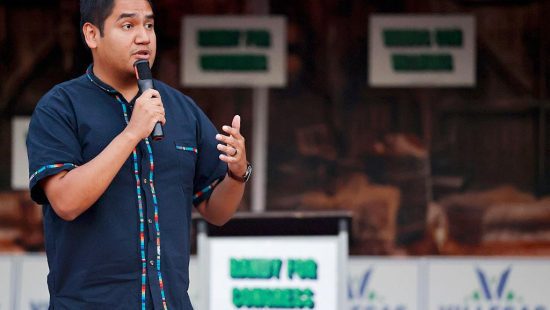
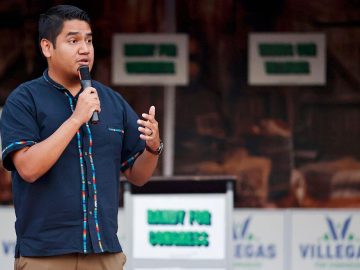
Randy Villegas, also 31, defeated Republican incumbent David Valadao in California’s 22nd Congressional District. The son of Mexican immigrants and a college professor, Villegas represents another example of younger Latino leadership gaining access to national political office.
These victories demonstrate that younger candidates can compete against established politicians and win.
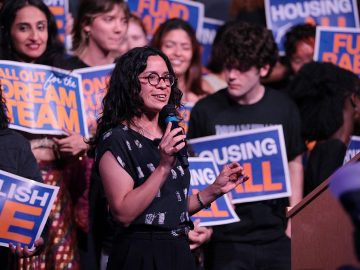
Another significant victory came from Marni von Wilpert, a San Diego City Council member who won California’s 48th Congressional District.
Together, these victories suggest that the political landscape is opening opportunities for a new generation, although younger candidates remain a relatively small part of the overall political establishment.
Older politicians continue to hold power
The contrast becomes even more apparent when looking at California’s statewide leadership and congressional races.
Xavier Becerra, 68, won the California gubernatorial election, demonstrating that Democratic victories do not necessarily translate into younger political leadership.
In Sacramento, 82-year-old Rep. Doris Matsui held her congressional seat against 41-year-old challenger Mai Vang, who had framed the contest as an intergenerational challenge.
The outcome illustrated how difficult it remains for younger candidates to displace established politicians, even when they campaign on generational change.
The same pattern can be seen in Washington, where longtime lawmakers continue to exercise considerable influence.
Rep. Maxine Waters, 88, is another example of an established political figure whose career has extended across multiple generations of voters.
The issue is not simply how old individual politicians are. It is how difficult it can be for new generations to gain access to institutions where seniority, established fundraising networks, political connections and incumbency provide enormous advantages.
A generation that votes, but does it govern?
For younger Americans, the 2026 elections represented an opportunity to express dissatisfaction with the direction of the country.
Economic insecurity, housing affordability, employment opportunities, immigration policies and concerns about the Trump administration contributed to the political shift.
For young Latino voters, the question is particularly important.
Latinos represent one of the country’s youngest major demographic groups, and their political influence will continue to grow as younger generations enter the electorate.
Yet the presence of younger Latino voters does not automatically guarantee younger Latino representation.
Angela Gonzales-Torres and Randy Villegas offer examples of what that representation can look like. Their victories suggest that a new generation of Latino politicians is emerging, bringing different professional backgrounds, political experiences and priorities into national politics.
But their victories also highlight how exceptional these breakthroughs remain.
The 2026 elections demonstrated that younger voters can influence the direction of American politics. What remains uncertain is whether that influence will translate into a lasting transfer of political power.
Young Americans helped shape the election. They may have helped determine who controls Congress and which political direction the country takes.