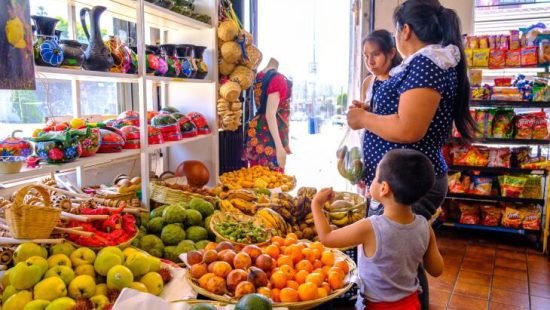
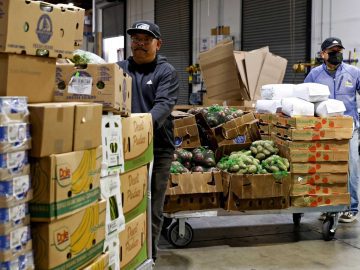
Tomato prices jumped sharply as bad weather, tariffs on Mexican imports, and higher transportation costs hit supply chains. The increase matters in California and Los Angeles, where tomatoes are a staple in many Latino households and everyday cooking.
The price of tomatoes — tart bursts of flavor in salads and sandwiches — rose nearly 40 percent in April from a year ago on a combination of bad weather, high tariffs and climbing transportation costs.
Overall, food prices in grocery stores rose 2.9 percent in April from a year ago and were up 0.7 percent from March, according to the Consumer Price Index.
Tomatoes are the foundational “soul” of Latino gastronomy because they are native to Mesoamerica, provide a critical acid counterbalance to spicy chilies, and serve as the essential base for ancestral sauces.
California’s Central Valley is the primary domestic producer of Roma and plum tomatoes, which are the specific, dense varieties required for Hispanic stews, salsas, and rice bases.
In Los Angeles, the retail cost for conventional fresh Roma tomatoes generally ranges from $1.14 to $2.49 per pound, translating to roughly $0.30 to $0.75 per individual tomato depending on the supermarket chain.
Stores like El Super offer some of the most competitive local rates, pricing Roma tomatoes around $1.89 per pound.
The vast majority of fresh tomatoes consumed in California during the winter and spring are imported from Mexico. However, the U.S. government recently withdrew from the 2019 Tomato Suspension Agreement. This introduced a steep 17% tariff on Mexican tomato imports, forcing wholesalers to pass those heavy costs directly down to retail grocery stores
Fresh fruits and vegetables — perishable items that faced higher shipping and trucking costs as fuel prices emerged in the past month — soared 6.5 percent in April from a year ago.
While prices for bananas and citrus fruits also climbed, the real culprit for much of the steep rise was tomatoes.
By some estimates, more than 70 percent of the fresh tomatoes consumed in the United States come from Mexico, where unseasonably wet weather and disease resulted in below-normal yields. And freezes in key growing areas of Florida early in the year also affected the tomato crop.
Tariffs on Mexico have also pumped up prices. After the Trump administration ended an agreement last year that allowed tomatoes to be imported into the U.S. from Mexico for free, tariffs on tomatoes jumped to about 17 percent.
And when the conflict with Iran started to send fuel prices higher, grocery analysts warned that fresh fruits and vegetables that are either shipped or trucked into the U.S. would be among the first to feel the impact of the fuel surcharges.