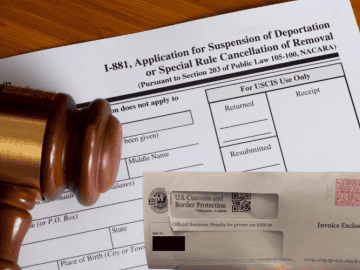
New data suggests more detainees are opting for voluntary departure amid harsh conditions and fear of prolonged detention, but the legal consequences can last years.
After 19 years in the United States, one father made a decision many families fear.
Facing the possibility of arrest and detention, he chose to leave the country on his own terms rather than risk being taken away suddenly. He left behind family, memories, and the life he had built.
His story, previously reported by Parriva, reflects a growing national trend: more immigrants are choosing self-deportation or voluntary departure instead of remaining in detention or fighting lengthy court cases.
For many, the decision is not about wanting to leave. It is about fear, exhaustion, and survival.
Recent 2025 and 2026 reporting suggests a rise in voluntary departures, often described as self-deportation, where immigrants agree to return to their home country instead of continuing their immigration case. For many detainees, the decision reflects fear, exhaustion, and the reality that jobs, housing, and stability may already be gone.
But one major misconception remains: self-deportation is rarely immediate.
Why More Detainees Are Choosing to Leave
Data reviewed by national outlets and immigration researchers indicates voluntary departures rose sharply in late 2025. Some reports found that by December 2025, roughly 38% of detained case outcomes ended in voluntary departure rather than a formal removal order.
Experts point to several reasons:
- Longer detention stays
- Faster enforcement actions
- Fear of losing asylum claims
- Family financial pressure
- Mental strain inside detention facilities
- A court backlog exceeding 3.4 million immigration cases, according to TRAC at Syracuse University
For many families, months in detention can mean unpaid rent, lost wages, and children left behind.
That reality is especially meaningful in California, home to one of the nation’s largest immigrant populations and thousands of mixed-status households.
What Self-Deportation Actually Means
Voluntary departure allows a person to leave the U.S. without receiving a formal removal order in some cases. That distinction matters because deportation orders can trigger longer bars to reentry and create future immigration obstacles.
But agreeing to leave often means giving up the chance to continue fighting the case.
For some detainees, the choice is less about preference and more about pressure.
It Is Usually Not Immediate
Many people assume someone can simply ask to go home and be released quickly. In reality, the process often requires several legal and logistical steps.
1. Immigration Judge Approval
In many cases, detainees must request voluntary departure before an immigration judge. Timing matters. Early requests can be easier than last-minute requests after a case has advanced.
2. Travel Documents
The person may need a valid passport or consular paperwork from their country of origin before departure can happen.
3. Paying for Travel
Outside special government programs, many immigrants must cover their own transportation costs.
4. Bond Requirements
Some judges can require a voluntary departure bond, often at least $500, to ensure compliance.
5. Continued Detention
Even after approval, some detainees remain in custody until travel is arranged. That can take days or weeks.
The CBP Home Program
The Department of Homeland Security has promoted the CBP Home app as a pathway for people seeking to depart voluntarily. DHS says some users may receive travel assistance and other incentives after verified departure.
Immigration advocates urge caution. Every case is different, and using a departure program can affect future legal options.
Why Legal Advice Matters
Attorneys and immigrant rights groups consistently warn detainees not to sign paperwork they do not understand.
Voluntary departure may help some people avoid a formal removal order, but it can also waive asylum claims, appeals, or other forms of relief.
For asylum seekers, longtime residents, or parents of U.S. citizen children, the consequences can be serious.
California and Los Angeles Impact
Los Angeles County is home to millions of immigrants, including many families with relatives in removal proceedings. When a detained parent chooses to leave, the economic and emotional effects can be immediate.
That may mean:
- Lost household income
- Childcare disruption
- Housing instability
- Emotional trauma for children
- Sudden family separation across borders
Community legal aid groups in Southern California continue urging families to prepare emergency plans and seek reputable counsel.
What Happens Next
With enforcement pressure high and court backlogs still severe, voluntary departures may continue rising in 2026.
But self-deportation is not a quick exit button. It is a legal decision with lasting consequences.
For immigrants in detention, the real question is not just whether they can leave. It is what they may lose by doing so.