A major federal court settlement shifts Los Angeles from clearing encampments to moving people into shelter and housing, with new deadlines, oversight, and consequences for neighborhoods across the city.
Los Angeles has reached a major new agreement in the long-running LA Alliance v. City of Los Angeles homelessness lawsuit, requiring the city to create 14,000 housing or shelter solutions by June 30, 2027 and keep at least 12,915 beds or units open through June 30, 2029.
The new deal could reshape how Los Angeles is judged on homelessness. Instead of focusing mainly on clearing encampments, the city will now be measured more directly on whether people are actually moved into shelter or housing.
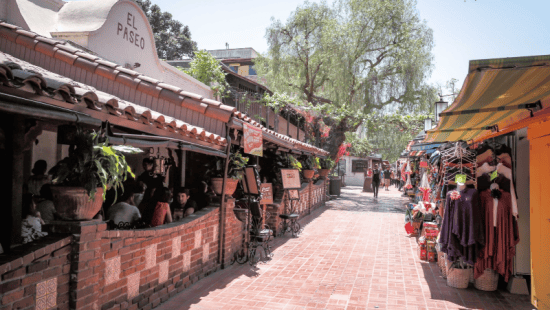
For many Latino communities across Los Angeles, this matters immediately. Families in neighborhoods from Pico-Union and MacArthur Park to Boyle Heights, South LA, Downtown corridors, and Eastside communities often live closest to the pressures of street homelessness, overcrowding, public safety concerns, and rising housing costs.
What Changed in the New Settlement
Under the agreement, Los Angeles says it will ensure 19,600 people experiencing homelessness move into housing or shelter by June 30, 2027.
That is a major shift in priorities.
Earlier benchmarks emphasized reducing tents, RVs, makeshift shelters, and visible encampments. The new framework instead centers on measurable placements into programs.
That distinction matters because residents often see sweeps or temporary cleanups, but want lasting results.
The lawsuit became one of the most high-profile accountability battles over homelessness in America.
Billions of dollars have flowed into homelessness response across the region, yet many Angelenos still report seeing worsening street conditions, growing frustration, and little confidence that spending matches results.
This new agreement attempts to restore trust by requiring:
- Regular court reports
- Council district level data
- Unit and bed counts
- Vacancy numbers
- People served totals
- Independent monitoring options
For communities that feel ignored, public data can matter as much as public promises.
What It Means for Latino Neighborhoods
Many Latino households are already under pressure from rent increases, crowded housing, low wage growth, and high commuting costs.
When sidewalks, transit stops, parks, alleys, or business corridors are affected by unmanaged homelessness, the burden often falls hardest on working families who rely on public space every day.
This can affect:
- Parents walking children to school
- Seniors using transit
- Street vendors and small stores
- Restaurant and service workers commuting early or late
- Families avoiding parks or downtown errands
In that sense, homelessness is not only a humanitarian issue. It is also a neighborhood quality-of-life and economic issue.
The strongest part of the agreement is that it emphasizes human outcomes over optics.
Instead of simply counting encampments removed, Los Angeles must show how many people entered shelter or housing.
The city must also keep thousands of placements open through 2029, which is more meaningful than one-time announcements.
If implemented well, that could mean:
- Cleaner public spaces
- More stability for vulnerable residents
- Better use of taxpayer dollars
- Greater trust in city government
The agreement does not guarantee enough permanent housing to match the scale of the crisis.
Shelter beds and interim programs can help, but they are not the same as long-term affordable homes.
It also does not directly solve:
- Sky-high rents
- Eviction risk
- Mental health treatment shortages
- Addiction treatment gaps
- Slow housing construction
- Wage stagnation
In other words, this deal may improve management, but it does not eliminate the causes of homelessness.
Los Angeles residents should watch several numbers closely over the next two years:
- How many placements become permanent housing?
- How many people return to homelessness later?
- How many beds sit vacant?
- Which council districts see results first?
- What is the cost per successful placement?
- Are neighborhoods seeing real improvement?
Without those answers, skepticism will remain.
Money Also Changed Hands
To resolve legal fee disputes, the city agreed to pay:
- $1.9 million to plaintiffs
- $300,000 to intervenors
An independent monitor or special master may also continue, with fees capped at $150,000 per year.
The agreement still depends on approvals, but if finalized, Los Angeles enters a critical performance window through 2027 and oversight through 2029.
That means the next few years could determine whether the city finally moves from headlines and spending to visible results.
For Latino Angelenos dealing with rent pressure, crowded neighborhoods, and concerns about safety and public space, the stakes are personal.
Because if Los Angeles fails again, the cost will not just be political. It will be paid in daily life.