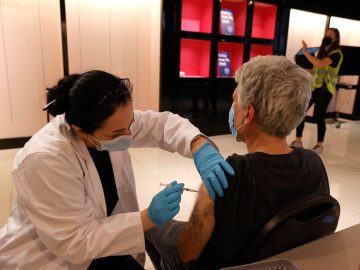
Daraxonrasib is not fully approved yet, but the FDA has opened access for some advanced pancreatic cancer patients as Latino communities face rising risks and care gaps.
LOS ANGELES — A new pancreatic cancer pill called daraxonrasib is generating hope after early results showed some patients lived significantly longer than those on standard chemotherapy. While the drug has not received full FDA approval, federal regulators have cleared an Expanded Access Program, allowing certain patients with advanced pancreatic cancer to receive it outside clinical trials.
That matters because pancreatic cancer remains one of the deadliest cancers in the United States, often diagnosed late and difficult to treat. For Latino families in California and Los Angeles, the news arrives as research shows growing concerns around younger diagnoses, diabetes-linked risk, and barriers to specialty care.
What is daraxonrasib?
Daraxonrasib, also known as RMC-6236, is an investigational oral medicine being developed by Revolution Medicines. It targets RAS mutations, a common cancer-driving pathway found in many pancreatic tumors.
In trial data shared by the company, patients with metastatic pancreatic ductal adenocarcinoma who had already received treatment lived a median of 13.2 months, compared with 6.7 months for chemotherapy.
That does not mean the pill cures pancreatic cancer. But in a disease where survival gains are often small, the results are getting serious attention.
The FDA has not issued full commercial approval. Instead, it allowed an Expanded Access Program beginning April 30, 2026.
That means some patients with few remaining treatment options may be able to access the drug through their doctor before final approval.
These programs are usually reserved for serious illnesses when promising therapies are still under review.
Why this matters for Latino communities
Pancreatic cancer has historically shown lower overall rates in Hispanic populations than some other groups. But newer data suggests troubling shifts.
Studies have found:
- Rising pancreatic cancer rates among younger Hispanic adults
- Hispanic patients often diagnosed at younger ages
- Lower rates of genetic testing
- Less access to high-volume cancer centers and specialty surgeons
- Lower participation in clinical trials
Those gaps matter because pancreatic cancer moves fast. Delays in diagnosis or treatment can sharply reduce survival chances.
Doctors have increasingly linked pancreatic cancer risk with metabolic disease, especially Type 2 diabetes.
That is important because Latino communities face disproportionately high rates of diabetes in California and nationwide.
New-onset diabetes in older adults can sometimes be an early warning sign of pancreatic cancer. Most people with diabetes will never develop pancreatic cancer, but sudden unexplained diabetes, weight loss, jaundice, digestive changes, or persistent back pain should be discussed with a doctor.
Side effects and caution
Daraxonrasib is still experimental. Reported side effects include:
- Skin rash
- Nausea
- Diarrhea
- Other gastrointestinal problems
Because it is not fully approved, doctors must weigh benefits and risks carefully for each patient.
If you or a loved one has pancreatic cancer, ask your oncologist:
- Does the tumor have a RAS mutation?
- Are there clinical trials available nearby?
- Could Expanded Access apply in this case?
- Should we request genetic testing?
- Is referral to a major pancreatic center appropriate?
Los Angeles has major cancer systems through UCLA, USC, Cedars-Sinai, and City of Hope, where advanced options may be available.
Pancreatic cancer has long been one of medicine’s toughest battles. Any treatment that meaningfully extends life draws attention.
Daraxonrasib is not yet a cure and not yet fully approved. But for families facing limited options, it may represent something just as important right now: more time and more hope.
As larger trials continue, many patients will be watching closely.