New research suggests that improving mental health screening in Spanish could help Latino families recognize symptoms sooner, reduce delays in treatment, and make care more accessible.
Mental health challenges often begin quietly.
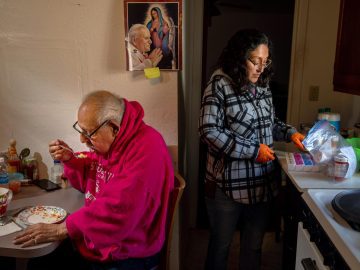
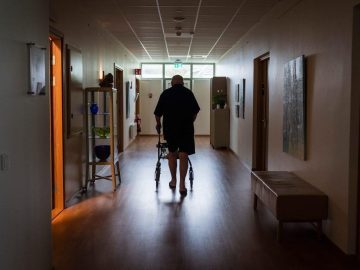
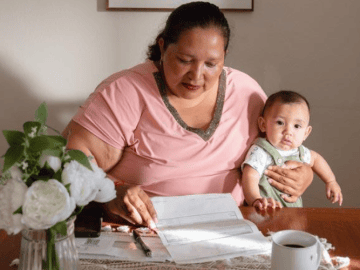
A parent who no longer enjoys spending time with family. A teenager who suddenly withdraws from friends. A grandparent who seems unusually anxious or forgetful.
These changes can be easy to dismiss as stress, aging, or simply “having a bad week.” But recognizing the signs early can make a significant difference.
New research suggests that improving mental health screening tools in Spanish could help more families identify concerns sooner and connect with care before problems become more serious.
For California’s Latino communities—where language barriers, stigma, and limited access to culturally appropriate services often delay treatment—that could have an important impact.
Why Early Screening Matters
Mental health conditions rarely appear overnight.
Depression, anxiety, trauma-related disorders, and many other conditions often develop gradually. The earlier they are identified, the better the chances that treatment can reduce symptoms, improve quality of life, and prevent crises.
Mental health screenings are not diagnoses.
Instead, they are short questionnaires used by doctors, clinics, schools, or community health centers to identify people who may benefit from further evaluation.
Think of them like checking blood pressure or cholesterol.
They don’t tell the whole story—but they can alert healthcare providers that something deserves closer attention.
Language Can Become a Barrier to Care
California is home to more Spanish speakers than any other state.
Yet many mental health screening tools were originally developed in English.
Although many have been translated, researchers continue working to improve how these tools capture emotional experiences across different cultures and ways of speaking.
Words describing sadness, anxiety, stress, or emotional distress do not always translate perfectly.
People from different cultures may describe emotional pain differently or express symptoms through physical complaints such as headaches, stomach problems, fatigue, or trouble sleeping.
When questions don’t reflect how people naturally describe their experiences, important symptoms may be overlooked.
Improving Spanish-language screening tools helps healthcare providers better understand what patients are experiencing rather than relying on translations that may miss important nuances.
Why Many Latino Families Wait to Seek Help
Experts say several factors contribute to delayed mental health care among Latino communities.
These include:
- Fear of being judged
- Cultural stigma surrounding mental illness
- Limited access to Spanish-speaking providers
- Cost of care
- Lack of health insurance
- Difficulty navigating the healthcare system
- Concerns about immigration status in some families
- Believing emotional struggles should simply be handled within the family
Many people seek help only after symptoms become severe enough to interfere with work, school, or relationships.
Earlier screenings may help normalize conversations about mental health before problems reach that point.
Mental Health Affects Physical Health Too
Mental health is closely connected to overall health.
Untreated depression and anxiety can increase the risk of:
- Heart disease
- Diabetes complications
- Chronic pain
- Poor sleep
- Substance misuse
- Lower work productivity
- Family stress
Children may struggle in school.
Adults may find it difficult to maintain employment.
Older adults may become socially isolated.
Early treatment often improves both emotional and physical well-being.
Technology Could Expand Access
Researchers are also exploring how artificial intelligence and digital tools can improve Spanish-language mental health screening.
These technologies are not designed to replace psychologists or psychiatrists.
Instead, they may help clinics identify patients who need additional support, especially in communities where mental health professionals are in short supply.
If carefully validated and used responsibly, these tools could help reduce waiting times and expand access in underserved communities.
However, experts caution that technology should complement—not replace—clinical judgment, and that privacy and fairness must remain priorities.
What Families Can Watch For
Mental health concerns can look different from person to person.
Some common warning signs include:
- Persistent sadness
- Loss of interest in favorite activities
- Changes in sleep
- Appetite changes
- Constant worry
- Irritability
- Difficulty concentrating
- Withdrawing from family or friends
- Feeling hopeless
- Talking about wanting to disappear or feeling like a burden
If these symptoms last for several weeks or interfere with daily life, it’s a good idea to speak with a healthcare provider.
Where to Start
You don’t need to wait for a mental health crisis to ask for help.
Many people begin by talking with:
- Their primary care doctor
- A community health clinic
- A school counselor
- A county behavioral health program
- A trusted community health worker (promotor de salud)
Many California health centers now offer services in Spanish or can provide professional interpreters.
For many Latino families, the biggest obstacle to mental health care isn’t a lack of concern—it’s a lack of access to care that feels understandable, culturally respectful, and available in their preferred language.
Better mental health screening tools in Spanish won’t solve every challenge. But they can help doctors ask better questions, help patients feel understood, and help families receive care before emotional struggles become crises.
That’s an important step toward healthier families and stronger communities.
Parriva Take
Mental health should be treated with the same importance as physical health. Just as regular screenings can detect high blood pressure or diabetes early, mental health screenings can identify concerns before they become overwhelming. Expanding high-quality screening tools in Spanish is not simply about translation—it’s about ensuring that every California family has an equal opportunity to be heard, understood, and connected with care when they need it most.