New mass immigration court hearings are accelerating proceedings across the country, raising concerns that immigrants could miss rescheduled court dates and face removal orders without realizing their cases changed.
Immigration courts across the United States are rapidly expanding a new type of proceeding known as a “mega master hearing,” where more than 100 immigrants may be scheduled for the same court session. Immigration attorneys and advocacy organizations say the practice is accelerating deportation proceedings and creating new risks for people who may not realize their hearing dates have changed.
The issue is particularly important for immigrant families in California, home to one of the nation’s largest immigrant populations and one of the busiest immigration court systems. Missing a court hearing can have serious consequences, including an in absentia removal order, which allows a judge to order deportation when an individual fails to appear.
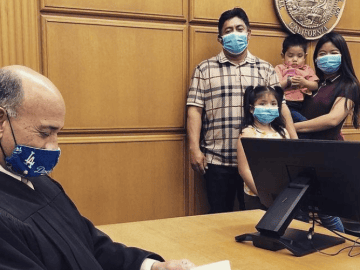
A master calendar hearing is typically the first immigration court appearance in a case. Traditionally, judges would handle a few dozen cases during a session. Under the new approach, courts are scheduling hearings involving 100 or more individuals at a time. Reports from multiple jurisdictions show judges handling dockets exceeding 100 cases in a single day.
According to reporting from NPR and other news organizations, these hearings are now appearing in courts across the country as part of broader efforts to reduce the immigration court backlog, which remains above 3.5 million pending cases.
The Department of Justice has significantly expanded immigration court staffing, adding large numbers of new judges while emphasizing faster case processing and backlog reduction. Administration officials argue the immigration court system must move more quickly after years of mounting delays.
Supporters of faster processing argue lengthy delays can leave immigration cases unresolved for years. Critics counter that accelerating hearings too aggressively may limit people’s ability to obtain legal counsel, gather evidence, or prepare their cases adequately.
Why Advocates Are Concerned
Organizations including the National Immigration Project, legal aid groups, and immigration attorneys have expressed concerns about due process and access to counsel. They argue that some hearing dates are being moved forward with limited notice and that many affected individuals do not have attorneys representing them.
Advocates report that some immigrants originally scheduled for hearings years in the future have received earlier court dates. They warn that people who miss a rescheduled hearing may face immediate removal orders.
The National Immigration Project describes the hearings as proceedings involving more than 100 people at a time and argues that packed dockets can make it harder for individuals to understand and exercise their legal rights.
For immigrants with pending cases, the most important step is confirming that hearing information has not changed.
What you should d0
• Do not assume your court date is unchanged.
• Check your case status regularly.
• Update your address with immigration authorities if you move.
• Open and review all immigration-related mail immediately.
• Seek legal assistance if you receive notice of a new hearing date.
• Attend every scheduled hearing, even if the date changed unexpectedly.
Individuals can verify hearing information through the Department of Justice’s Executive Office for Immigration Review (EOIR) automated case information system.
For many families, a missed hearing does not simply affect immigration status. It can affect employment, housing stability, school continuity for children, and long-term family unity.
That is why immigration attorneys increasingly recommend that individuals with active cases monitor court information regularly rather than relying solely on previously scheduled dates.
The expansion of mega master hearings appears to be continuing nationwide as immigration courts work through millions of pending cases. Additional judges have been added to immigration courts, and reporting suggests courts are under pressure to move cases more quickly than in previous years.
For California immigrants, the most important takeaway is simple: if you have an active immigration case, verify your court date, monitor official notices, and seek legal guidance if your hearing schedule changes.
In a system moving faster than before, staying informed may be one of the most important protections available.