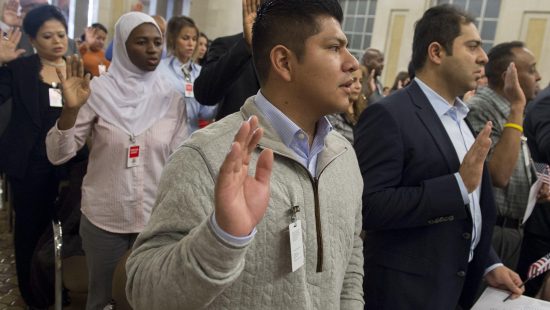
Los Angeles County officials are warning residents about scammers posing as court or law enforcement officials and threatening arrest over supposedly missed jury service.
Los Angeles County Superior Court officials issued a public warning this week about a scam that’s been resurfacing across the region: callers posing as court or law enforcement officials, claiming the person on the other end missed jury service and now has an outstanding warrant for their arrest.
The mechanics are simple, and that’s exactly what makes them effective. A caller, sometimes spoofing a phone number to make it look like it’s coming from the courthouse or a police department, tells the target they failed to appear for jury duty. They’re told a warrant has been issued. Then comes the pressure: pay a fine immediately, or provide personal and financial information to “resolve” the warrant before officers show up.
None of it is real. The Superior Court does not call people demanding immediate payment, and it does not threaten arrest over the phone. Real jury summonses arrive by mail. Court officials are urging anyone who receives one of these calls, texts, or emails, especially ones demanding urgent action or financial details, to hang up, not respond, and report it to local law enforcement or the court directly.
A county-wide warning, an uneven impact
The scam itself doesn’t discriminate. It’s been showing up in inboxes and on caller ID screens across Los Angeles County, and court officials have framed their warning as applying to all residents equally.
But the fear it’s designed to produce doesn’t land the same way in every household.
For someone in a mixed-status family, a call claiming police could arrive at the door isn’t just an inconvenience, it can be the specific fear they’ve spent years trying to avoid. It doesn’t matter that the threat is fabricated. In a moment when immigration enforcement activity is already a source of daily anxiety in many LA neighborhoods, a fake warrant threat can trigger a very real kind of panic: not just for the person named on the call, but for anyone else living in that home.
There’s also a quieter gap at play; one of information, not intent. Official warnings like this one tend to travel first through English-language news coverage and court websites. In households where Spanish is the primary language, or where trust in official channels is already thin, the warning may not arrive before the scam call does. That timing gap is where scammers do their damage: not because they’re targeting a particular community, but because the community least likely to have seen the warning in advance is often the one most likely to feel it has no room for error when a stranger says the word “warrant.”
What residents should know
Court officials point to a few clear signs of a scam call:
Any threat of immediate arrest over the phone
Any demand for payment to “clear” a warrant
Any request for a Social Security number, bank details, or credit card information
Pressure to act immediately, without time to verify
A real jury summons will never ask for money or sensitive personal information over the phone. If you’re unsure whether a call is legitimate, hang up and call the court’s Juror Services Division directly, or check your status through the Superior Court’s official website, never through a link or number provided by the caller.
Anyone who believes they’ve been targeted is encouraged to report it to local law enforcement, the Superior Court, or the Federal Trade Commission.