Labor Day 2026 arrives as immigrant workers, federal employees and unions confront a changing workplace landscape and renewed questions about workers’ rights.
Labor Day is supposed to be a celebration of American workers, a day to recognize the people whose work keeps the country running and to remember the labor movement that fought for better wages, safer workplaces, and the right to organize.
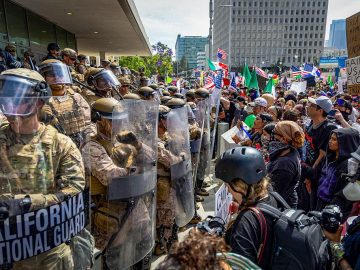
But this year, the holiday arrives at an uncomfortable moment. Workers are facing uncertainty on several fronts, and in Los Angeles, the effects of immigration enforcement are reaching directly into the workplace.
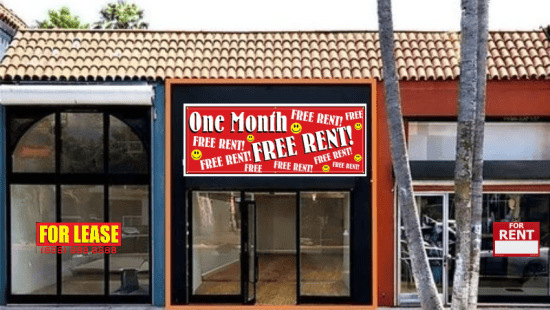
A Los Angeles County report released earlier this year found that 70 percent of businesses surveyed experienced staffing shortages following immigration enforcement actions. One third of employers said workers were afraid to report to work, while 59 percent expressed concern about maintaining their current workforce.
Condado de Los Ángeles
Those numbers tell a story that is bigger than immigration enforcement itself. When workers are afraid to go to work, businesses lose employees. When employees disappear, businesses struggle to operate. And when workers are afraid to report violations or speak up about working conditions, protections that exist on paper become much harder to exercise.
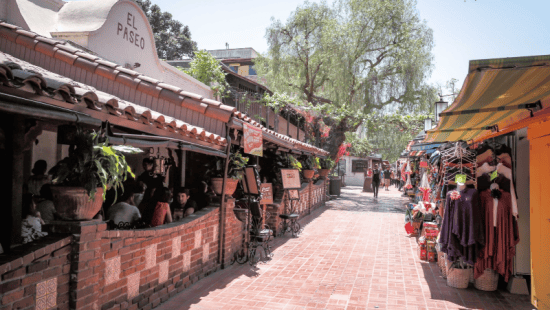
The economic effects are showing up beyond individual workplaces. A UCLA analysis found measurable declines in commercial activity in Los Angeles County following the immigration enforcement surge, particularly in Latino and immigrant communities.
Latino Policy & Politics Institute
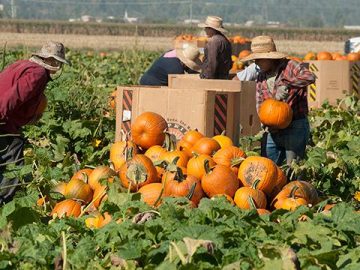
For undocumented workers, the consequences can be especially profound. Work is not simply a source of income. It can become a source of risk. Going to a job, waiting for work, or traveling through a neighborhood where enforcement operations have taken place can carry a fear that most workers never have to consider.
But immigrant workers are not the only ones facing uncertainty.
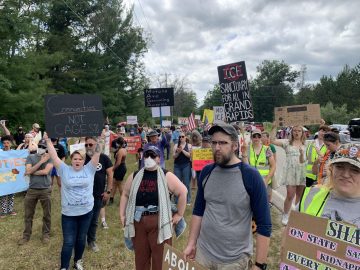
Federal employees have spent the past year dealing with layoffs, restructuring and changes to the rules governing their unions. The Trump administration has also moved to exclude additional federal agencies from collective bargaining programs.
The country’s system for protecting workers is changing as well. The National Labor Relations Board, which oversees union elections and unfair labor practice cases, now has a Republican majority following the confirmation of two Trump nominees last month. The new majority is expected to revisit several labor policies that were adopted under the previous administration.
The Equal Employment Opportunity Commission is also proposing changes that would make it harder for federal employees to pursue certain workplace discrimination complaints. The proposal would restrict access to administrative hearings, eliminate mandatory mediation and end class-action-style complaints for federal workers.
None of this means that American workers have nothing to celebrate.
Millions of workers have good jobs. Businesses continue to create jobs and serve their communities. Workers continue to organize, negotiate contracts, and win better conditions. And unions remain an important force in workplaces across the country.
But Labor Day was never simply a celebration of how well things were going.
The holiday emerged from a labor movement that understood that workplace protections had to be fought for. The eight-hour workday, overtime protections, workplace safety rules and the right to organize were not inevitable. They came through decades of organizing and political struggle.
That history matters now because workers’ rights are only meaningful if workers can exercise them.
For an undocumented worker, that may mean being able to go to work without fearing immigration enforcement. For a federal employee, it may mean having a meaningful voice through a union. For any worker, it means being able to report discrimination, challenge unsafe conditions, demand unpaid wages, or organize with coworkers without fearing retaliation.
That is where the meaning of Labor Day becomes more complicated in 2026.
The holiday celebrates what workers have accomplished, but it also reminds us that those accomplishments are not necessarily permanent. The balance between workers and employers can change. The strength of unions can change. Government enforcement can change. And the ability of workers to exercise rights that exist in law can change.
So perhaps the question this Labor Day is not whether there is anything to celebrate.
There is.
The question is whether we are willing to recognize what workers have fought for while paying attention to what they are being asked to fight for now.
In Los Angeles, that includes immigrant workers who are afraid to show up for their jobs and businesses struggling with the consequences. Across the country, it includes federal employees whose jobs and collective bargaining rights are being challenged, and workers watching closely as the institutions responsible for protecting them change.
Labor Day is a celebration of workers.
It is also a reminder that the rights workers have today were once demands that seemed impossible.
And that may be the most relevant lesson of the holiday this year: worker rights are not simply something to celebrate. They are something to protect.