
Los Angeles Police Chief Jim McDonnell’s new estimate puts the cost of Olympic security far above federal funding. The incoming mayor once opposed the Games and faces criticism over his leadership, his relationship with police and his ability to protect taxpayers.
Los Angeles was promised an Olympic opportunity that would showcase the city to the world without leaving taxpayers with the bill. But with less than two years before the 2028 Summer Games, the financial picture is becoming increasingly complicated.
The latest warning comes from Los Angeles Police Chief Jim McDonnell, who now estimates that protecting the Olympics and Paralympics could cost between $3.5 billion and $4 billion across the region. That is considerably more than the $1 billion Congress has allocated for security.
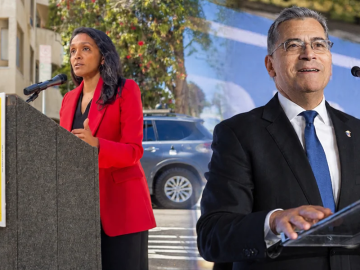
The estimate puts a difficult question before Mayor Karen Bass and her successor, Nithya Raman: Who will pay the difference if federal money falls short?
For Bass, the Olympics have been one of the defining opportunities of her administration. She has consistently promoted LA28 as a historic moment for Los Angeles, emphasizing economic development, tourism, jobs and the opportunity to demonstrate the city’s international importance. For Raman, who defeated Bass in the mayoral election and takes office December 14, the Games represent a different kind of legacy. She will inherit an event she once opposed, a complicated financial agreement and growing concerns about the public resources needed to deliver it.
A $4 Billion Security Warning McDonnell’s November 18 estimate represents a significant escalation in the projected security costs.
According to the police chief, Los Angeles alone will need approximately $1.3 billion for policing during the Games. The broader regional operation, which includes venues throughout Los Angeles and Orange counties and other locations, could reach $3.5 billion to $4 billion. The scale of the operation is extraordinary. McDonnell estimates that approximately 9,400 officers will be needed every day during the busiest periods just to protect competition venues. The LAPD expects to provide between one quarter and one third of that force, with other law enforcement agencies supplying the remainder.
Los Angeles County Sheriff Robert Luna has also warned that the $1 billion federal allocation will not be enough. He estimates security expenses could approach $3 billion, while California Highway Patrol officials anticipate hundreds of millions of dollars in additional costs. The LAPD has separately estimated that staffing Olympic venues within the city will cost more than $730 million.
When regular citywide policing and other essential support operations are included, its projected personnel expenses for the two month Olympic period exceed $1.15 billion. The distinction matters because the $4 billion estimate covers security throughout the broader Olympic region, not simply the city’s police department.
The federal government has allocated $1 billion, but officials are already looking for additional assistance. McDonnell has expressed hope that Congress will provide more funding. For taxpayers, however, hope is not a financial guarantee.
Bass’s Olympic Legacy Faces a Financial Test
Bass has been among the strongest political advocates of the Games, describing them as a once in a lifetime opportunity to showcase Los Angeles and ensure that families, workers and small businesses share in the benefits. Her administration has defended the financial arrangements negotiated with LA28, the privately operated nonprofit organization responsible for organizing the Olympics.
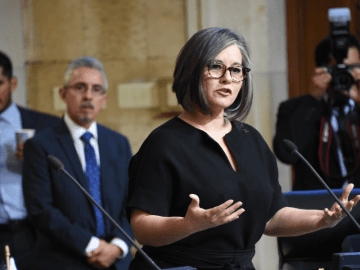
The organizing committee operates with a budget of approximately $7.2 billion, which is supposed to be privately financed. However, that budget does not include the enormous public security operation. The city has negotiated a reimbursement agreement intended to protect taxpayers against additional expenses. It includes access to a $270 million contingency fund established by LA28. Bass and supporters of the agreement argue that these protections provide a reasonable financial framework. But critics see significant weaknesses. Under the reimbursement arrangement, if LA28 suffers major financial losses, the city would cover the first $270 million, followed by the state covering the next $270 million. Any remaining shortfall could fall on the city’s general fund, the same source of money used to finance essential municipal services. Councilmember Monica Rodriguez warned that the arrangement could threaten the city’s financial stability. That concern is particularly relevant as Los Angeles faces competing demands involving homelessness, affordable housing, public safety and infrastructure.