An NBER study found that increased immigration enforcement can reduce workforce participation, affecting immigrant workers, Latino-owned businesses and industries that depend on immigrant labor across California.
Increased ICE enforcement is affecting immigrant workers, Latino businesses, and industries across California, with new research showing broader labor market impacts beyond deportations.
Immigration enforcement is changing the way Latino workers and immigrant communities participate in California’s economy, from Los Angeles neighborhoods to industries that rely heavily on immigrant labor.
A study by economists Elizabeth Cox and Chloe N. East, published by the National Bureau of Economic Research (NBER), found that increased Immigration and Customs Enforcement (ICE) activity reduced employment among likely undocumented immigrants. The researchers found that the effects extended beyond people directly removed from the United States, as some immigrants who remained worked less because of fear of immigration enforcement.
The study identified what researchers described as a “chilling effect,” in which increased enforcement activity influenced workers’ decisions to participate in the labor market.
The researchers also found no evidence that increased immigration enforcement created employment gains for U.S.-born workers. Instead, they found declines among some U.S.-born workers in areas and industries affected by heightened enforcement.
California’s Latino Workforce and Immigrant Labor
California has one of the largest immigrant populations in the United States, and Latino workers make up a significant portion of the state’s workforce.
Immigrant workers play an important role in industries across California, including:
Construction
Agriculture
Restaurants and food services
Hospitality
Manufacturing
Cleaning services
Caregiving
In Los Angeles County, where Latinos represent nearly half of the population, immigrant workers are deeply connected to the local economy. Los Angeles is home to one of the largest Latino communities in the country and one of the largest immigrant populations in the nation.
Because of this, changes in immigrant labor participation can have effects beyond individual workers, influencing employers, consumers, and local businesses.
How ICE Enforcement Affects Los Angeles Workers
For immigrant workers in Los Angeles and across California, immigration enforcement can affect more than legal status. Researchers have examined how enforcement activity influences employment decisions, workplace behavior, and economic participation.
The NBER study found that increased ICE activity was associated with reduced employment among likely undocumented immigrants, including those who remained in the country.
The findings challenge the idea that removing immigrant workers automatically creates more job opportunities for other workers. Instead, the research suggests that immigration enforcement can create broader labor market disruptions.
Impact on Latino-Owned Businesses
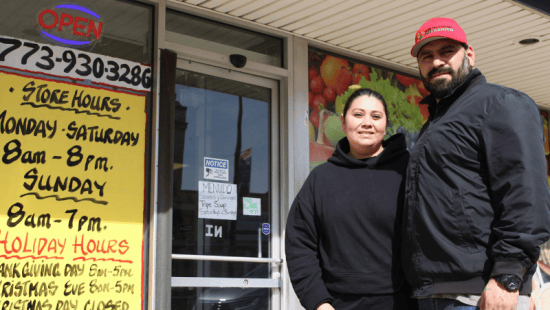
Latino-owned businesses in Los Angeles operate in communities where immigrant workers and consumers are a major part of the local economy.
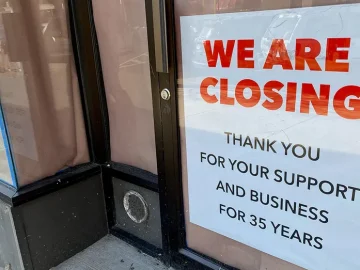
Business owners have reported concerns about reduced customer activity, staffing challenges, and economic uncertainty connected to immigration enforcement.
When immigrant residents avoid public spaces, reduce spending, or change their daily routines because of fear of enforcement, local businesses can also feel the impact.
Immigration Enforcement and California’s Economy
The debate over immigration enforcement often focuses on deportations and border policy, but research shows the effects can extend into workplaces and communities.
For California and Los Angeles, where immigrant workers are part of many essential industries, immigration enforcement is also a labor and economic issue.
As enforcement policies continue to evolve, the impact on Latino workers, immigrant families, businesses, and local economies remains a central issue for communities across the state.