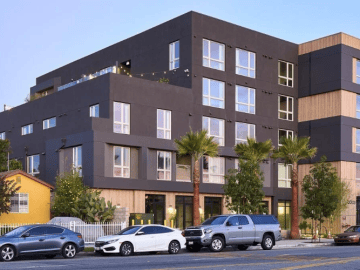
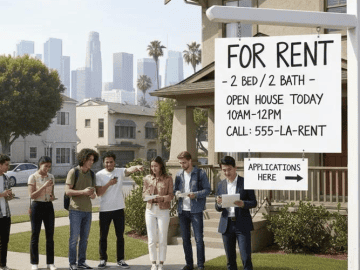
Affordable housing money is flowing and ADUs are booming, but Los Angeles construction delays and apartment slowdowns still threaten affordability.
There is real reason for cautious optimism in California housing right now, especially for renters, working families, and communities long squeezed by high costs. But there is also one hard truth: the state still is not building enough homes fast enough.
That is the clearest takeaway from the 2026 housing landscape across California and especially Los Angeles.
The good news is visible. Public money is finally moving into affordable housing, accessory dwelling units are expanding rapidly, and new state laws are trying to break years of local delays. But apartment construction remains weak, costs remain high, and many families still cannot afford to wait.
The Biggest Bright Spot: Affordable Housing Is Finally Being Funded
California has shifted into crisis-response mode.
Governor Gavin Newsom recently announced major new funding through the Homekey+ program, designed to fast-track permanent supportive housing for veterans, unhoused youth, and people facing mental health challenges.
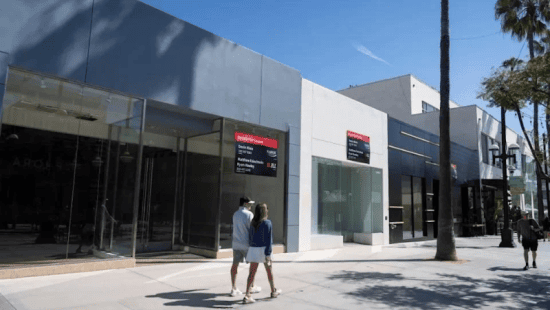
That includes millions directed to Los Angeles County projects such as motel conversions, new affordable units in Cudahy, and housing for young adults at risk of homelessness.
For years, many projects died on paper because they lacked final financing. That bottleneck is finally being attacked.
For Latino families disproportionately affected by rent burden, overcrowding, and housing insecurity, this could mean more available units over time.
Even with progress, the private market remains sluggish.
Los Angeles has seen steep declines in new residential permits compared with prior years. Developers cite high interest rates, rising labor costs, expensive materials, and long approval timelines.
Multi-family apartment construction has been especially hard hit.
That’s important because apartments are where many working families, immigrants, and younger Californians first enter the housing market. When apartment supply stalls, rents often stay elevated.
The ADU Boom Is Real
One of the most important shifts in California housing is the rise of ADUs, often called backyard homes, garage conversions, or granny flats.
Across the state, ADUs now make up a meaningful share of new housing growth. In Los Angeles, applications have surged as homeowners look for rental income, multigenerational housing, or space for adult children and aging parents.
This is especially relevant in Latino communities, where multigenerational living is common and flexible family housing can be life-changing.
ADUs will not solve the statewide shortage alone, but they are one of the fastest ways to add homes now.
New Laws Are Trying to Force Faster Building
California lawmakers know slow approvals are part of the crisis.
Several 2026 laws aim to speed permits, allow more housing near transit, and reduce construction bottlenecks. If enforced well, they could matter more than headlines.
For Los Angeles workers who rely on buses and rail, housing near transit can reduce both rent pressure and transportation costs.
So, How Optimistic Should You Be?
If You’re a Renter
Moderately optimistic. More affordable housing is in the pipeline, but relief may come slowly. Rent pressure may remain high in many neighborhoods.
If You’re a First-Time Buyer
Cautiously optimistic. Inventory may improve gradually, but affordability remains difficult due to mortgage rates and home prices.
If You’re a Homeowner
Optimistic if considering an ADU or rental income strategy. Many homeowners are finding new value through added units.
If You’re Waiting for a Housing Crash
Be careful. California still has a deep supply shortage, which can keep prices elevated even during slower markets.
What Latino California Families Should Watch For
The housing story in 2026 is no longer just about prices. It is about whether government and builders can deliver actual homes.
Watch these signals:
- Apartment permits in Los Angeles
- Mortgage rate changes
- Affordable housing openings
- ADU approvals
- November 2026 housing bond proposals
- Rent trends in working-class neighborhoods
California housing is not fixed. But it is no longer standing still.
That alone is progress.
The state is finally moving money, changing laws, and experimenting with faster solutions. If those efforts continue, 2026 could be remembered as the year California began turning frustration into momentum.