The new executive orders focus on birth tourism and certain future citizenship cases. They do not revoke the citizenship of people already born in the United States.
President Donald Trump has signed two new executive orders aimed at birthright citizenship, renewing a legal and political debate that has continued throughout his second term.
The orders target commercial “birth tourism” and seek to limit birthright citizenship for certain narrowly defined categories of foreign nationals. However, constitutional scholars and civil rights organizations expect the new actions to face immediate legal challenges, much like the administration’s earlier attempt to restrict birthright citizenship.
For California families, one point is especially important:
The new executive orders do not strip U.S. citizenship from anyone who already has it.
Instead, the orders are aimed at future immigration and citizenship decisions and are expected to become the subject of new court battles before any long-term changes could take effect.
The White House announced two separate executive orders.
The first directs federal agencies to increase scrutiny of so-called “birth tourism,” a practice in which people travel to the United States primarily to give birth so their child acquires U.S. citizenship. The administration says visa applicants found to be traveling for that purpose could be denied entry because it considers the practice a misuse of temporary visas.
The second order seeks to limit birthright citizenship for certain narrowly defined categories of foreign nationals, including individuals acting on behalf of foreign governments, members of designated foreign terrorist organizations, and people classified as “alien enemies” under U.S. law.
Administration officials say the orders are intended to protect the meaning of American citizenship while addressing what they describe as abuses of the immigration system.
Despite widespread discussion on social media, the executive orders do not revoke citizenship from people who are already U.S. citizens.
They also do not retroactively apply to children or adults born in the United States before the orders were signed.
That distinction is significant because the administration’s previous effort to broadly redefine birthright citizenship was rejected by the U.S. Supreme Court earlier this year.
On June 30, 2026, the Court ruled that the executive branch could not unilaterally replace the constitutional framework governing birthright citizenship established under the Fourteenth Amendment.
Legal experts say that decision means existing citizenship remains protected unless Congress or the Constitution itself is changed.
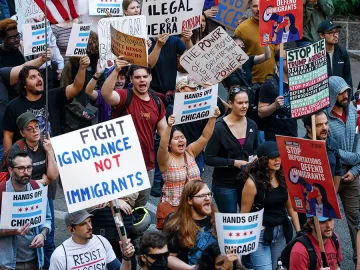
Almost immediately after the announcement, civil rights organizations signaled they would challenge the new executive orders in federal court.
Groups including the NAACP Legal Defense Fund have argued that the Fourteenth Amendment guarantees citizenship to people born in the United States who are subject to its jurisdiction and that executive action cannot narrow those constitutional protections.
Legal observers expect plaintiffs to seek temporary restraining orders or preliminary injunctions that could pause implementation while courts review the cases.
Those legal challenges are likely to determine whether the administration can enforce any part of the new policy.
For many parents, the biggest concern is whether their children could lose citizenship.
Based on the administration’s announced policy and the current legal landscape, the answer is no for children and adults who are already U.S. citizens.
The immediate questions instead involve how the new visa screening rules will be implemented and whether the proposed limits on future birthright citizenship can survive constitutional review.
California hospitals, local governments, and state agencies generally continue to follow existing law unless courts or Congress establish new legal requirements.
The executive orders are expected to begin a new round of litigation.
The likely sequence includes:
- Lawsuits filed in federal court challenging the orders.
- Requests for temporary restraining orders or preliminary injunctions.
- Appeals through the federal court system.
- Potential review by the U.S. Supreme Court if lower courts issue conflicting decisions or the constitutional questions require further clarification.
Until those legal questions are resolved, the constitutional protections recognized under existing law remain in place.
What California families should know today
For now, the most important takeaway is that these executive orders do not cancel the citizenship of people already born in the United States.
Instead, they focus on future visa enforcement and future citizenship questions involving specific categories identified by the administration. Whether those provisions ultimately take effect will depend on the federal courts.
Families with pending immigration matters or questions about individual circumstances should seek advice from a qualified immigration attorney or accredited legal service provider, as every case is different.