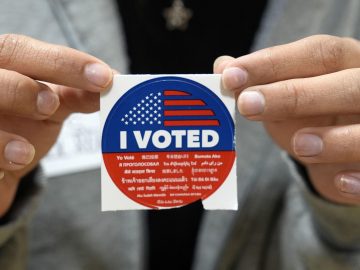
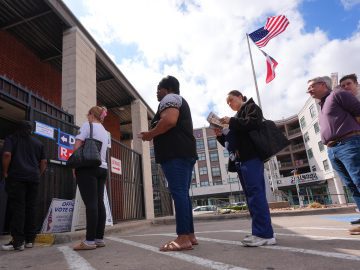
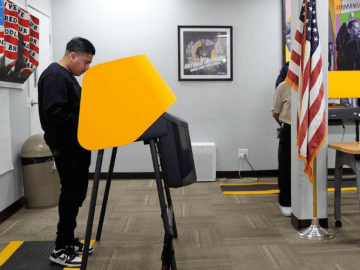
After nearly 150,000 mail ballots were rejected in California’s primary, election officials and voters can take steps to ensure more ballots are successfully counted.
After California’s June primary election saw nearly 150,000 mail-in ballots rejected, election officials face a new challenge heading into the General Election: preventing avoidable ballot problems before they occur.
California has expanded voting access significantly by sending every active registered voter a vote-by-mail ballot and creating policies intended to make participation easier. But the increase in rejected ballots has raised concerns that a larger turnout in the General Election could expose weaknesses in voter education, ballot processing, and communication.
The state’s challenge is not only counting more ballots-it is ensuring that more ballots are successfully completed and accepted.
One of the biggest areas of concern is voter awareness. Many rejected ballots are caused by correctable issues, such as signature problems, missing information, or ballots arriving after deadlines. California can reduce these problems by increasing early communication with voters, particularly before Election Day. Election officials could send clearer reminders about how to properly complete and return ballots, rather than waiting until a ballot has already been flagged.
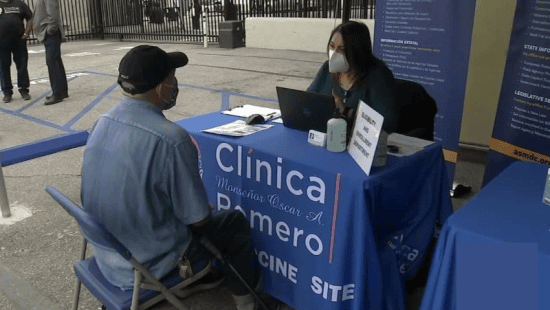
This issue is especially important for California’s Latino voters, who represent about 40% of the state’s population and are a growing force in elections. While Latino voters are increasingly influential, participation has historically faced challenges connected to outreach, language access, and familiarity with election procedures. Providing election information in Spanish and other commonly used languages, using trusted community organizations, and expanding voter education efforts could help ensure more Latino voters successfully navigate the mail-ballot process.
Another priority should be improving the ballot “curing” process, which allows voters to fix problems with rejected ballots. California already provides opportunities for voters to correct signature issues, but the effectiveness of the system depends on whether voters receive notifications quickly and understand what action is required. Election offices could strengthen this process by expanding text-message alerts, multilingual notifications, and easier online correction systems.
Election officials may also need additional staffing and resources before the General Election. A larger turnout means more ballots to verify, more voter questions to answer, and more potential signature issues to review. Preparing temporary election workers, increasing voter assistance services, and improving coordination between counties could help prevent delays.
Transparency will also be critical. California’s vote counting often takes longer than in many other states because officials count valid late-arriving ballots and conduct careful verification procedures. While this approach is designed to protect voters’ rights, officials will need to communicate clearly about why results may take time. Better public education about the counting process could reduce confusion and strengthen confidence in the election system.
The primary election served as a warning sign: expanding access does not automatically guarantee successful participation. Before the General Election, California has an opportunity to address the weak points in its system — not by making voting harder, but by helping more voters complete the process successfully.
The goal is simple: every eligible voter who follows the rules should have a fair opportunity for their ballot to be counted.