Despite record-breaking attendance and a late hotel boom, many neighborhood businesses across Los Angeles say the 2026 FIFA World Cup never delivered the economic windfall they expected.
As the 2026 FIFA World Cup comes to a close this weekend, Los Angeles is celebrating record crowds, sold-out matches at SoFi Stadium, and millions of visitors. But for many local businesses, especially outside the immediate tourism corridors, the tournament produced a far more complicated economic story.
The tournament filled stadium seats almost every match, helped rescue hotels after months of disappointing reservations, and generated a surge in spending on restaurants, bars, and hospitality. Yet some longtime business districts, including Olvera Street, reported little of the expected increase in customers.
The mixed results offer an important lesson as Los Angeles prepares to host even larger international events, including the 2028 Olympic Games.
Conclusions
- SoFi Stadium hosted eight World Cup matches with near-capacity attendance.
- FIFA reported nearly 100% stadium occupancy throughout the tournament.
- Los Angeles hotels experienced a dramatic recovery after weak spring bookings.
- Hospitality businesses generally benefited more than traditional retail.
- Some neighborhood shopping districts reported little increase in visitors.
- Economists say where visitors stayed and spent money mattered more than overall attendance.
By almost every attendance measure, the tournament exceeded expectations.
FIFA reported that more than 4.6 million fans attended group-stage matches across North America, surpassing previous World Cup attendance records. Stadiums averaged nearly full capacity, with June 25 setting a new single-day attendance record.
Los Angeles contributed significantly to those numbers.
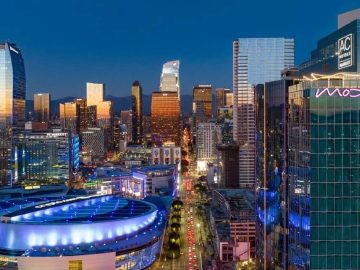
SoFi Stadium hosted eight matches, including the U.S. Men’s National Team game against Paraguay, where ticket prices reached several thousand dollars on the resale market. The venue consistently operated at or near capacity.
But attendance alone does not guarantee that local businesses benefit equally.
One important distinction is that ticket revenue primarily goes to FIFA rather than directly to the host city or local businesses. That means the broader economic impact depends largely on where visitors eat, shop, stay, and travel.
Perhaps the biggest surprise was the hotel industry.
Earlier this year, many Los Angeles hotels feared the tournament would fall short of expectations.
Industry groups reported sluggish bookings during the spring, citing international visa delays, expensive airfare, and uncertainty surrounding FIFA’s reserved hotel room blocks.
Then everything changed.
During the final month before the matches, hotels experienced a wave of last-minute reservations.
According to hospitality industry data, properties near SoFi Stadium in Inglewood and popular tourist destinations such as Santa Monica filled quickly. Average room rates climbed sharply, with some hotels charging more than $500 per night.
CoStar’s STR hotel analytics found Los Angeles among only a handful of U.S. host markets posting year-over-year occupancy gains during the tournament’s opening weeks, while average daily room rates increased by more than 14%.
The pattern reflects a broader change in travel behavior. Many sports fans now wait until shortly before major events to book accommodations instead of planning months in advance.
Not Every Neighborhood Shared the Success
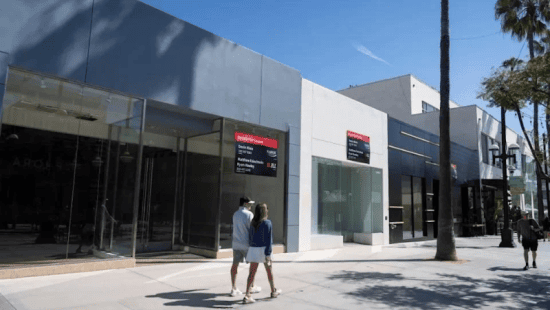
The benefits were far less consistent outside the major hospitality corridors.
NBC Los Angeles recently reported that merchants at historic Olvera Street expected thousands of soccer fans but instead saw business remain slower than anticipated.
Some visitors spent most of their time around stadiums, official FIFA Fan Festivals, beaches, and major entertainment districts without venturing into other neighborhoods.
That created an uneven economic landscape.
Restaurants, bars, hotels, rideshare services, and transit providers generally experienced stronger demand than retailers selling clothing, gifts, or specialty goods.
Bank of America’s July consumer spending analysis also found increased card spending associated with the tournament, particularly in hospitality-related sectors, while gains were less pronounced across broader retail categories.
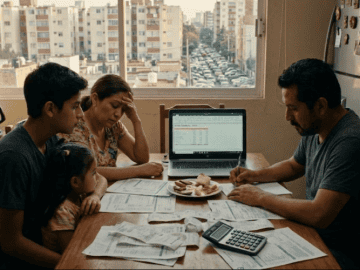
For many small businesses, simply being located in a host city was not enough. Success often depended on being where visitors actually spent their time.
What the Economic Impact Could Mean for Los Angeles
The Los Angeles Host Committee projects the tournament could ultimately generate nearly $900 million in economic activity, including roughly $515 million in visitor spending, about $50 million in local tax revenue, and hundreds of millions in wages tied largely to hospitality, transportation, and tourism.
Those figures remain projections until post-event economic reports are finalized.
Even so, the tournament demonstrated that mega-events create opportunities, but they do not distribute those opportunities evenly.
That is an important lesson as Los Angeles prepares for the 2028 Olympics and other international sporting events.
City leaders, tourism officials, and business organizations may need stronger strategies to connect visitors with neighborhoods beyond stadium districts so that more small businesses share in future economic benefits.
Why This Matters for California
California continues investing heavily in tourism because visitor spending supports jobs, local tax revenue, restaurants, hotels, transportation, and thousands of small businesses.
For Latino-owned businesses across Los Angeles County, future success may depend less on hosting global events and more on helping visitors discover neighborhood commercial districts, cultural destinations, and locally owned restaurants.
The World Cup proved Los Angeles can attract millions of visitors.
The next challenge is making sure more communities benefit when they arrive.
The tournament officially concludes this weekend, but economists will spend months analyzing spending data, hotel performance, tax collections, and employment trends.
Those findings will help shape planning for the 2028 Olympics and determine whether future international events can spread economic benefits more evenly across Los Angeles.