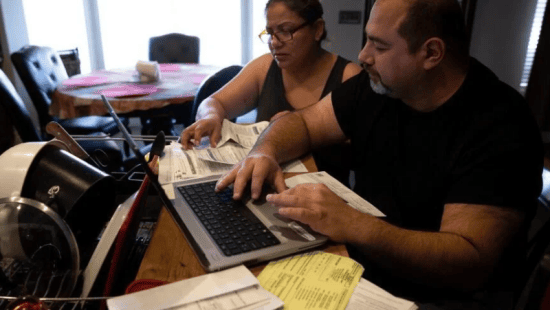
FTC complaint data analyzed by ProPublica shows victims reported at least $94.4 million in losses from immigration fraud between 2021 and 2025.
Immigration scams are increasing across the United States, with thousands of reported victims losing tens of millions of dollars to fake lawyers, fraudulent immigration consultants and scammers posing as government officials, according to an analysis of Federal Trade Commission (FTC) data by ProPublica.
The surge in immigration fraud has made scammers another major challenge for many migrants already navigating complex immigration laws, language barriers and the fear of deportation. Fraudsters frequently promise work permits, asylum assistance, visas or protection from immigration enforcement in exchange for money, only to disappear after receiving payment.
More Than 6,200 Immigration Scam Complaints Filed
According to ProPublica’s analysis of FTC consumer complaints, more than 6,200 immigration-related fraud complaints were reported between 2021 and 2025. Victims reported at least $94.4 million in financial losses, although the true figure is likely much higher because many immigrants never report being scammed.
The analysis also found that complaints increased sharply after the 2024 U.S. presidential election. Before the election, the FTC received an average of about 960 immigration scam complaints per year. In 2025, that number rose to nearly 2,000 complaints, roughly doubling the previous annual average.
How Immigration Scammers Target Migrants
The complaints reviewed by ProPublica describe a variety of schemes designed to exploit immigrants seeking legal status or protection in the United States.
Among the most common scams are:
Individuals falsely claiming to be immigration attorneys or accredited legal representatives.
Criminals impersonating officials from U.S. Immigration and Customs Enforcement (ICE), U.S. Citizenship and Immigration Services (USCIS) or other federal agencies.
Fraudsters demanding urgent payments by claiming a victim faces deportation or the cancellation of a visa or immigration application.
Fake promises to obtain work permits, green cards, asylum approvals or other immigration benefits in exchange for thousands of dollars.
Scams targeting international students with false claims that their immigration status is in danger unless they pay immediately.
ProPublica also reported that many scammers first contact victims via social media advertisements before moving the conversation to WhatsApp, where they request payments via digital services such as Zelle. Some operations allegedly use artificial intelligence to create convincing identities, fake legal documents or fabricated videos.
DHS Expands Investigation Into Immigration Fraud
The U.S. Department of Homeland Security (DHS) says immigration fraud threatens both immigrants and the integrity of the nation’s immigration system.
“Immigration scammers contribute to a lawless environment, undermining our immigration system and posing risks to national security and public safety,” DHS said in a statement reported by ProPublica.
According to ProPublica, citing sources familiar with the investigation, DHS is seeking information such as fraudulent website URLs, WhatsApp phone numbers and Zelle payment identifiers that could help investigators identify and dismantle immigration scam networks. DHS has not publicly confirmed those investigative details.
How to Avoid Immigration Scams
Federal agencies and immigrant advocacy organizations recommend several steps to reduce the risk of becoming a victim of immigration fraud:
Verify that anyone offering immigration legal services is a licensed attorney or an accredited representative recognized by the U.S. Department of Justice.
Be cautious of unsolicited phone calls, text messages or WhatsApp messages claiming to come from immigration authorities.
Never send money through Zelle or other payment apps to someone whose identity cannot be verified.
Be skeptical of anyone promising guaranteed visas, work permits, asylum approvals or faster immigration processing.
Report suspected scams to the Federal Trade Commission and appropriate law enforcement agencies.
Immigration Fraud Continues to Grow
Consumer advocates say the increase in immigration scams reflects growing demand for immigration services and heightened anxiety among migrants facing legal uncertainty. As enforcement policies evolve, experts warn that fraudsters continue adapting their tactics to exploit vulnerable communities seeking reliable legal assistance.