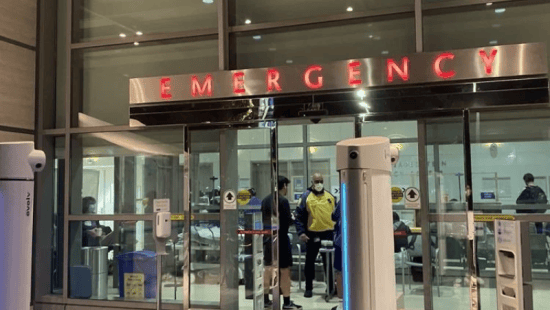
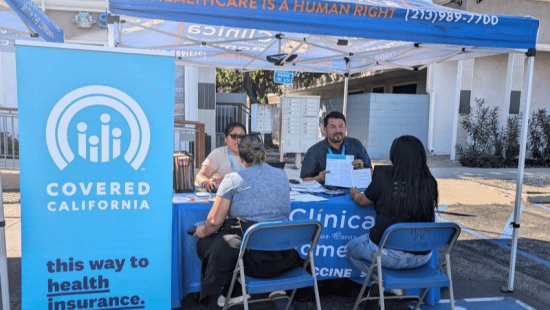
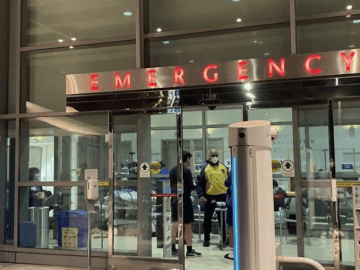
Los Angeles County officials are strengthening hospital protections as immigration enforcement fears push some immigrant families to delay emergency care, doctor visits, and preventive treatment.
Fear of immigration enforcement is increasingly shaping how some immigrant families in Los Angeles use healthcare. Community advocates, healthcare workers, and county officials say some patients are delaying emergency treatment, avoiding preventive care, or skipping appointments altogether because they fear possible contact with immigration authorities.
That concern has intensified as Los Angeles County leaders move to strengthen hospital protocols and patient protections tied to immigration enforcement fears. For many mixed-status households, the confusion is not just political. It affects real decisions about whether to seek medical care for children, older relatives, or chronic health conditions.
The issue matters especially in California, home to millions of immigrants and one of the country’s largest public healthcare systems. Many residents still do not understand the difference between federal immigration enforcement authority and California privacy protections, creating widespread misinformation about what hospitals legally can and cannot do.
Key Takeaways
- ICE generally cannot freely enter restricted hospital areas without legal authorization.
- California has stronger privacy protections than many other states.
- Hospitals are still subject to federal law, but patient privacy rules remain important.
- Emergency medical care is available regardless of immigration status.
- Fear of enforcement is causing some families to delay treatment.
- Legal aid groups recommend families understand their rights before emergencies happen.
What LA County Approved
Los Angeles County officials have been advancing updated guidance and protocols aimed at protecting patient privacy and reducing fear inside county healthcare facilities.
The effort includes clearer procedures for handling immigration enforcement requests, staff training, and stronger communication with immigrant communities about healthcare rights.
County leaders and public health officials argue that fear-driven healthcare avoidance creates broader public health risks. Delayed care can worsen illnesses, increase emergency room use, and create higher long-term healthcare costs for families and hospitals alike.
Can ICE Enter Hospitals in California?
The short answer is complicated.
Federal immigration agencies such as U.S. Immigration and Customs Enforcement operate under federal law, meaning California cannot completely block federal enforcement actions.
However, hospitals are not open-access enforcement zones.
ICE agents generally cannot simply enter private patient treatment areas, operating rooms, or restricted medical spaces without proper legal authority, permission, or a judicial warrant.
Public areas such as lobbies may be treated differently from restricted patient-care areas.
This distinction creates confusion for many families.
Federal Law vs. California Protections
California law provides stronger privacy protections than many states.
The state has laws limiting how local agencies cooperate with certain federal immigration enforcement activities. California healthcare providers are also subject to strict medical privacy laws, including federal HIPAA protections.
HIPAA, the federal Health Insurance Portability and Accountability Act, limits how medical information can be shared. Hospitals generally cannot release protected patient information without authorization except in limited legal circumstances.
That does not mean undocumented immigrants are entirely shielded from immigration enforcement. But it does mean hospitals cannot casually share patient records or immigration-related information simply because an agent asks.
This distinction is important because misinformation online often falsely claims hospitals automatically report undocumented patients to immigration authorities.
Healthcare experts and immigrant legal organizations say that is generally not how hospital systems operate.
What Hospitals Can and Cannot Do
Hospitals can:
- Request identification for administrative or billing purposes
- Verify insurance eligibility
- Protect staff and patient safety
- Follow lawful court orders or warrants
Hospitals generally cannot:
- Deny emergency care based on immigration status
- Publicly disclose protected medical records without legal authorization
- Use immigration status alone to refuse emergency treatment
Federal law under EMTALA requires hospitals with emergency departments to provide emergency medical screening and stabilizing care regardless of immigration status or ability to pay.
Who Qualifies for Protections and Who Does Not
Emergency medical treatment protections apply broadly regardless of immigration status.
Patient privacy protections also apply to patients generally, including undocumented immigrants.
However, immigration status can still affect eligibility for some public insurance programs, long-term benefits, or financial assistance programs.
That distinction matters because many families incorrectly assume that seeking any medical care could automatically expose immigration information or jeopardize relatives.
Legal aid groups say families should separate healthcare access rules from immigration benefit eligibility rules, which are often different.
Why Fear Is Affecting Healthcare Access
Healthcare workers and immigrant advocacy organizations say fear is changing patient behavior across California.
Some families now:
- Delay emergency room visits
- Avoid vaccinations or preventive screenings
- Cancel medical appointments
- Decline mental health treatment
- Avoid applying for healthcare programs for eligible children
Doctors and public health experts warn that delayed care can lead to more severe illnesses, higher medical costs, and worse long-term health outcomes.
In Los Angeles County, where many households include mixed immigration statuses, the fear can affect entire families, including U.S.-citizen children.
What Immigrant Families Should Know
Practical Steps Families Can Take
- Know the difference between public and restricted hospital areas
- Keep emergency contact information accessible
- Carry important medical records when possible
- Ask hospitals about privacy policies
- Consult trusted legal aid organizations, not social media rumors
- Create a family emergency plan before a crisis occurs
Experts also recommend avoiding panic-driven decisions based on viral misinformation online.
Timeline: Why This Issue Is Growing Again
Recent Developments
- Federal immigration enforcement debates intensified nationally in recent years.
- California expanded several state-level privacy and immigrant protection measures.
- Los Angeles County healthcare officials recently moved to strengthen hospital guidance and staff protocols.
- Advocacy groups report growing healthcare hesitation among immigrant families in 2025 and 2026.
The policy landscape continues evolving, which is one reason confusion remains widespread.
Organizations Helping Immigrant Families
Families seeking accurate information can contact:
- USCIS
- Department of Homeland Security
- California Department of Justice
- Los Angeles County Department of Health Services
- Public Counsel
- Immigrant Legal Resource Center
- CHIRLA
Many organizations provide Spanish-language guidance and know-your-rights materials.
Healthcare access and immigration enforcement will likely remain deeply connected issues in California as local governments, hospitals, and legal advocates respond to ongoing fear among immigrant communities.
Los Angeles County officials are expected to continue reviewing hospital procedures and public communication efforts aimed at reassuring residents that seeking emergency care does not automatically place families at immigration risk.
For many immigrant households, the most important step right now is understanding verified policies instead of relying on rumors or social media misinformation.