A new federal ruling allows deportation cases to move forward despite active DACA status, increasing DACA deportation risk for thousands in California and raising urgent questions about what comes next.
LOS ANGELES — A new federal immigration ruling is raising concern across California, home to the largest number of DACA recipients in the country, after officials confirmed that having DACA status alone may no longer stop deportation proceedings.
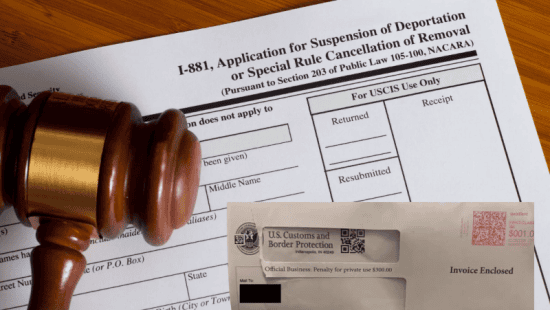
The decision, issued by the Department of Justice’s Board of Immigration Appeals in April, allows immigration judges to continue removal cases even if a person has active DACA protections. For many families in Los Angeles County, where immigrant communities are deeply rooted in the workforce and education system, the ruling introduces a new layer of uncertainty.
California is home to roughly a quarter of all DACA recipients nationwide, according to the U.S. Census Bureau. In Los Angeles County alone, hundreds of thousands of residents live in mixed-status households. That makes any shift in enforcement policy a local issue with immediate consequences.
“This ruling does not cancel DACA, but it changes how much protection people can rely on in immigration court,” said a policy analyst familiar with removal defense cases in California. “It puts more weight on individual judges and increases risk, especially for those with any prior contact with law enforcement.”
The decision stems from a case known as Matter of Santiago-Santiago. While it sets a precedent for immigration courts nationwide, it does not trigger automatic deportations. Instead, cases must still be reviewed individually, and legal options remain.
Still, the timing has raised concern among advocates. The ruling follows reports of increased immigration enforcement activity and comes alongside a separate Department of Justice rule that shortens the appeal window for deportation cases from 30 days to just 10.
For Latino communities in California, the impact is both legal and economic. DACA recipients play a significant role in key industries including healthcare, education, and small business. Data from the Pew Research Center shows that DACA recipients nationwide are more likely to be employed and contribute to local economies, making any disruption ripple across households and communities.
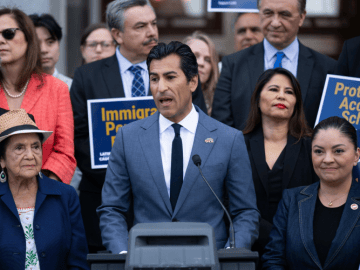
State and local leaders have responded with expanded protections. California recently committed $125 million toward immigration legal services, including funding for organizations that represent individuals facing deportation. These services are critical in a state where access to legal defense can determine whether someone is allowed to remain in the country.
Los Angeles has also strengthened local safeguards. City policy restricts the use of municipal resources for federal immigration enforcement, and programs like RepresentLA continue to provide free legal representation to residents in removal proceedings. These efforts aim to create a buffer between federal policy shifts and community impact.
Public health officials have also emphasized the broader consequences. The Los Angeles County Department of Public Health has previously noted that immigration instability can affect access to care, mental health, and family stability, especially in communities already facing economic pressure.
For now, legal experts say the most important step is preparation. DACA recipients are encouraged to renew their status early, seek legal advice if contacted by immigration authorities, and avoid situations that could trigger court proceedings.
The ruling is expected to face legal challenges in federal court, and its long-term impact remains uncertain. For families across Los Angeles, the immediate reality is not deportation, but a system that has become more complex and less predictable.