The Trump administration is stepping up its effort to undo the U.S. citizenship of some naturalized Americans.
The Justice Department says it has filed 40 new denaturalization cases against people accused of concealing crimes, using false identities, committing immigration fraud or otherwise providing false information during the process of becoming U.S. citizens.
The cases were filed in federal courts across the country between Aug. 21 and Oct. 2. DOJ says it is the largest number of denaturalization complaints it has filed during a single period under the Trump administration.
But there is an important point that can easily get lost in the headline:
The 40 people have not automatically lost their U.S. citizenship.
The Justice Department is asking federal judges to revoke their naturalization. The government still has to prove its claims in court. DOJ also says the allegations in the complaints are just that, allegations, and that no court has made a determination of liability.
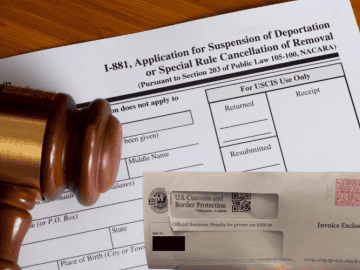
Denaturalization is the legal process the government uses to try to take back citizenship that someone obtained through naturalization.
Federal law allows the government to seek revocation when citizenship was illegally obtained or when a person is accused of hiding an important fact or deliberately giving false information during the naturalization process.
These cases are not simply about someone committing a crime after becoming a citizen. The government’s claims generally center on conduct or information that existed before or during the person’s naturalization process.
In other words, the government’s argument is that the person should not have received citizenship in the first place.
The 40 cases involve a wide range of allegations, including espionage, voluntary manslaughter, sexual offenses, immigration fraud, identity fraud, fraudulent marriages and tax offenses.
Attorney General Todd Blanche has called the effort the “largest denaturalization effort in modern history.” That is the Justice Department’s description of the campaign.
Nine people were born in Mexico
The new cases also matter to Mexican American communities.
Nine of the 40 people identified by DOJ were born in Mexico. Their cases were filed in California, Arizona, Texas and Florida.
Several are in California.
In the Central District of California, DOJ is seeking to revoke the citizenship of Ramiro Escot Esparza, whom prosecutors accuse of concealing sexual misconduct involving a minor during his naturalization process. DOJ says he pleaded guilty to two counts of sexual abuse of a minor months after becoming a citizen.
Another Central District case involves Norma Patricia Esparza. DOJ says she committed voluntary manslaughter before becoming a citizen and failed to disclose the conduct during her naturalization proceedings. She was later convicted in California state court and sentenced to six years in prison, according to DOJ.
In the Southern District of California, prosecutors filed a case against Raul Cisneros, a Mexico-born naturalized citizen whom DOJ accuses of failing to disclose sexual misconduct involving a minor before he applied for citizenship. DOJ says he later pleaded guilty to two felony counts and was sentenced to six years in prison.
And in the Eastern District of California, DOJ filed a case against Hernan Garcia Toledo, whom prosecutors accuse of failing to disclose earlier arrests and convictions involving firearms during his naturalization process.
The California cases are part of a larger national effort.
In August, DOJ said it had filed 123 civil denaturalization complaints since Jan. 20, 2025. That figure was announced before the latest 40 cases and should not automatically be treated as the current total without accounting for how the department is counting its filings.
The administration’s increased use of denaturalization comes as immigration and citizenship policy has become a major focus of the Trump presidency.
We have also been following the administration’s broader citizenship policies, including the debate over Mexican dual citizenship and its impact in Los Angeles and the separate legal fight over birthright citizenship. The denaturalization cases are different: they involve people who became U.S. citizens through the naturalization process.
What this means for naturalized Americans
The current cases do not show that naturalized Americans generally are losing their citizenship because they committed crimes after becoming citizens.
They show something more specific: the Justice Department is asking federal courts to revisit the citizenship of particular people based on allegations that they lied, concealed important information or were otherwise ineligible when they went through the naturalization process.
That does not make the cases insignificant.
For someone who became a U.S. citizen after years of immigration paperwork, interviews, background checks and an oath of allegiance, citizenship is not just another document. It is the legal status that makes them an American.
Mexico-born immigrants are a particularly important part of that story. In fiscal year 2023, people born in Mexico made up about 12.7% of all people who naturalized in the United States, the largest share of any country of birth.
That is why the latest cases deserve attention in communities across California, including Los Angeles.
The government’s lawsuits will now have to make their way through federal court.
For the people named in these complaints, the government has started a legal fight over their citizenship. It has not yet won that fight.