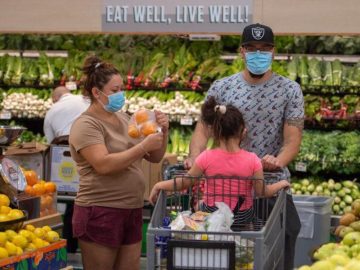
Rising tomato prices, supply shortages and higher production costs are putting pressure on California families, Mexican restaurants and neighborhood taquerias.
Few ingredients carry as much weight in Mexican cooking as the tomato. It anchors red sauce, the base of rice, broths, chilaquiles, Mexican eggs and countless sauces. This year, it has also become one of the produce items with the sharpest price increases in the United States, with direct consequences for home cooks, taquerias and restaurants in California.
How many prices have risen Tomato prices climbed nearly 40 percent in April compared with the same month last year, according to the Consumer Price Index. By midsummer the jump had eased but remained large, with US retail tomato prices 12.8 percent higher in July than a year earlier. Supply is still a concern heading into the holidays, as trade reporting says tomato supplies remain extremely limited across the board.
The broader picture is uneven. Fresh vegetable prices overall were 6.3 percent higher in July than a year earlier. Fruit, by contrast, has been steady, with retail fresh fruit prices forecast to rise just 0.2 percent for the full year. What is driving the increase Several pressures have arrived at once. Weather played a major role. Winter storms damaged crops during Florida’s peak tomato season, and tomato prices rose 33 percent over two months.
Tariffs on Mexican food imports have also contributed, and Mexico is a major supplier of fresh tomatoes, especially in the cooler months. Fuel and freight costs add to the problem. Because it produces must move quickly, higher transportation and packaging costs flow directly into retail prices. Fertilizer has become more expensive following supply chain disruptions linked to tensions in the Middle East, and farm labor availability remains a concern for the fresh produce sector.
Why California is central California matters here because of its scale. The state accounts for roughly a third of US vegetables and nearly two thirds of their fruit and nut crops. Its growers, packers and truckers set the tone for national pricing. California is also a major entry point for imports, with about one in every six pounds of imported fresh fruit and vegetables entering the country through a California port or land crossing. Any disruption to Mexican supply or border costs is felt quickly in the state’s markets and kitchens.
The impact on Mexican food A tomato price spike matters more for Mexican food than for many other cuisines because the ingredient is difficult to replace. Sauces, sauces and rice dishes all depend on it. Restaurants, particularly small family run taquerias with thin margins, have limited options when the cost of a core ingredient jumps. They can raise menu prices and risk losing customers who watch every dollar. They can absorb the cost and accept lower profit. Or they can change the recipe, for example by using canned tomatoes, serving smaller portions of salsa or relying more on tomatillos and dried chiles. Each choice has a trade off, and none fully restores the original dish.