Five Pico-Union residents were hospitalized and recovered after contracting flea-borne typhus as Los Angeles County warns residents to control fleas, secure trash and reduce contact with rodents, opossums and free-roaming animals.
Five people in Los Angeles’ Pico-Union neighborhood were hospitalized and have recovered from flea-borne typhus, prompting health officials to urge residents to take steps to reduce exposure to fleas and animals that can carry them.
Los Angeles County health officials confirmed the localized outbreak as cases of flea-borne typhus continue to be reported across the county. At least 67 cases have been reported in Los Angeles County in 2026, according to recent reports.
The warning comes after the county recorded a record 220 cases in 2025, making flea-borne typhus an increasingly important public-health concern in Los Angeles.
What is flea-borne typhus?
Flea-borne typhus, also called murine typhus, is caused by the bacterium Rickettsia typhi. People can become infected when infected flea feces enter a flea bite, cut or scrape, or come into contact with the eyes.
The illness does not normally spread directly from person to person.
In Los Angeles County, infected fleas can be associated with animals including rats, opossums and free-roaming cats. Dogs and cats can also pick up fleas outdoors and bring them into homes.
What are the symptoms?
Symptoms typically develop about one to two weeks after exposure and can include:
Fever
Headache
Chills
Body or muscle aches
Nausea or vomiting
Rash
Flea-borne typhus can sometimes become serious and require hospitalization. However, it is treatable with antibiotics, particularly when diagnosed early.
Anyone experiencing persistent fever or other symptoms after possible exposure to fleas should seek medical care and tell their healthcare provider about the possible exposure.
Why are trash and debris a concern?
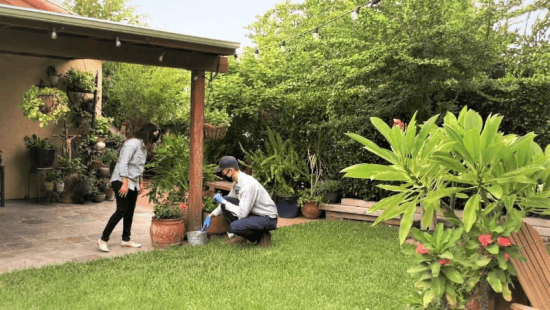
County officials are encouraging residents to remove trash and debris from around homes and keep food and garbage securely contained.
The reason is simple: unsecured food and waste can attract rodents and other animals that may carry fleas.
Residents should:
Keep garbage in tightly closed containers.
Avoid leaving pet food outside.
Remove accumulated debris around homes and buildings.
Keep yards and common areas clean.
Avoid feeding or handling wild or free-roaming animals.
Keep dogs and cats on year-round flea prevention recommended by a veterinarian.
The county also recommends using appropriate insect repellent when spending time in areas where fleas may be present.
What should Los Angeles do?
Individual residents can reduce their risk, but preventing future outbreaks also requires a coordinated neighborhood response.
First, rodent control needs to be proactive. Areas with persistent rat activity should receive prompt inspection and treatment rather than waiting for disease cases to appear.
Second, sanitation problems need to be addressed quickly. Overflowing trash, illegal dumping and accumulated debris can create conditions that attract rodents and other animals.
Third, flea prevention should be accessible. Low-income pet owners may need affordable veterinary services and flea-control medication to follow public-health recommendations.
Finally, residents need clear information. Health officials and community organizations should provide information in the languages commonly spoken in Pico-Union and make it easy for residents to report sanitation, rodent and animal-control problems.
A warning worth taking seriously
The recovery of the five hospitalized Pico-Union patients is encouraging, but the outbreak should not be ignored.
Los Angeles County has experienced a significant increase in flea-borne typhus over the past several years, and the record number of cases in 2025 shows that this is not simply an isolated incident.
For residents, the message is straightforward: control fleas on pets, secure trash and food, reduce conditions that attract rodents, and seek medical attention if symptoms develop after possible flea exposure.
For city and county officials, the challenge is larger: public health depends not only on treating people who become sick, but also on addressing the neighborhood conditions that allow disease-carrying fleas and animals to thrive.