

 Parriva's Team
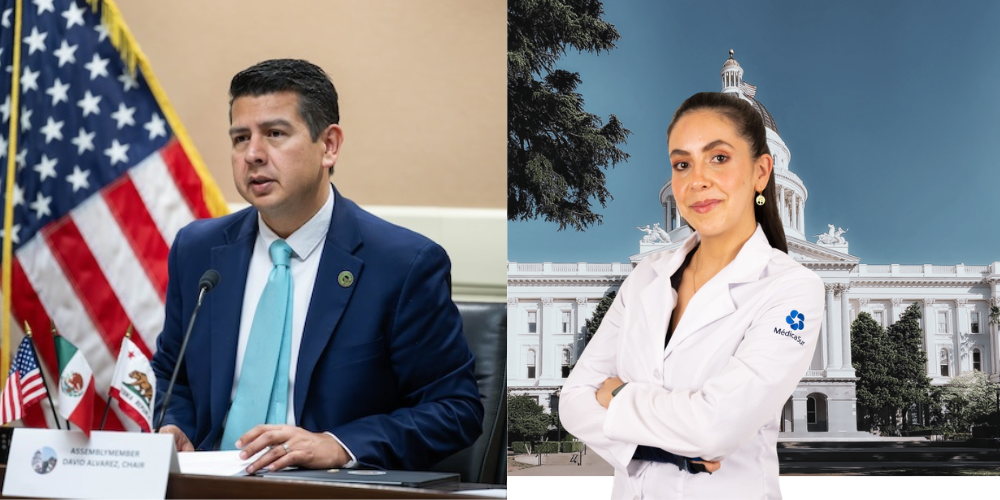
California lawmakers are advancing AB 2386, a proposal that would allow some licensed physicians from Mexico to work under supervision in community clinics. The move could expand healthcare access for Latino families and underserved regions facing long wait times.
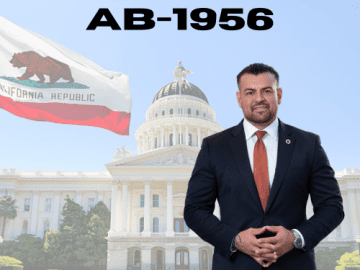
There's a bill in the state legislature that would allow some physicians from Mexico to practice in California, amid a shortage of healthcare professionals.Assemblymember David Alvarez, who represents San Diego’s South Bay, authored Assembly Bill 2386, which is working its way through the state legislature.
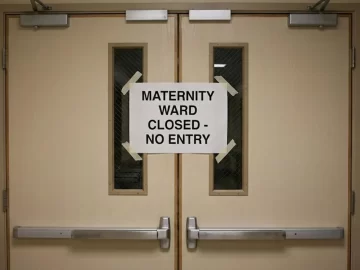
“We have a severe shortage in the healthcare space and in physicians,” Assemblymember David Alvarez said.
This initiative joins the effort led by Clínica Romero and State Senator Caroline Menjivar (D-20) that seek to offer the opportunity of medical services to undeserved communities through Senate Bill 1179 (SB 1179).
This legislation would establish a structured pathway for licensed physicians from El Salvador to serve in Federally Qualified Health Centers (FQHCs), expanding access to care in medically underserved communities across California.
For his part, Alvarez said by 2030, California is estimated to be 8,000 physicians short to provide adequate care across the state.
“The wait to see a doctor is still too long and so we need to figure out a way to provide healthcare access to families and that's why this became important because we see the shortage of doctors in areas I represent, and unfortunately that's the case in many parts of California,” Alvarez said.
Alvarez said this will help rural and border areas, where some people have to travel far or wait for care.
He said the requirements are similar to California physician requirements, but the physicians coming from Mexico would not be required to go through residency, and instead would be under a host doctor in the U.S. He also said the doctors would be required to bilingual.
“That experience helps alleviate some of the issues that come with the typical residency program which again is the only part that they would not be fulfilling that every other doctor in California does complete,” Alvarez said. “We are wanting to ensure that that is as tight and as safe as possible and I think those are concerns that are absolutely valid.”
“They’ll be observed they’ll be supervised,” Alvarez added. “Community clinics is where you would typically see these doctors.”
The provisional license would be valid for three years, with extensions possible under the working visa requirements.
It comes after a former law had established the Licensed Physicians and Dentists from Mexico Pilot Program. That program allowed up to 30 licensed physicians and up to 30 licensed dentists from Mexico, the ability to practice in California, and if this bill goes through, that 2002 law would be expanded with some changes.
“This bill would establish the California Physician Expansion Act, which would require the board to issue a provisional license to an applicant who holds a full and unrestricted license to practice medicine in another country who meets specified requirements,” the bill’s summary reads.
The requirements include:
The applicant has not committed any acts or crimes constituting grounds for denial
Require fingerprint images and related information to determine if the applicant has a criminal conviction record.
Mexico Federal Congresswoman Ana Erika Santana sent a letter to Alvarez, expressing her support for AB 2386. She said nearly 25 percent of California's population is in a health professional shortage, which disproportionately affects vulnerable communities.
“It’s a matter of dignity not just health access,” she said. “It's a win-win situation for both sides.”
The bill is awaiting approval from the assembly and then the senate. If approved, Gov. Gavin Newsom has the final say. The vote would happen by September and the law would take effect in 2027.
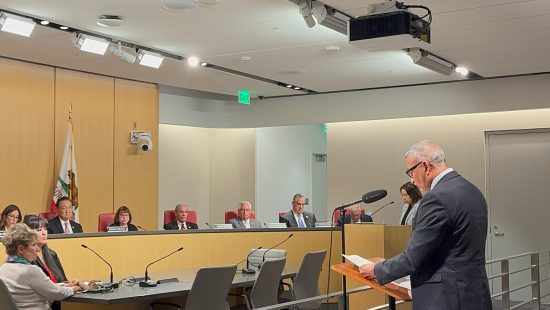

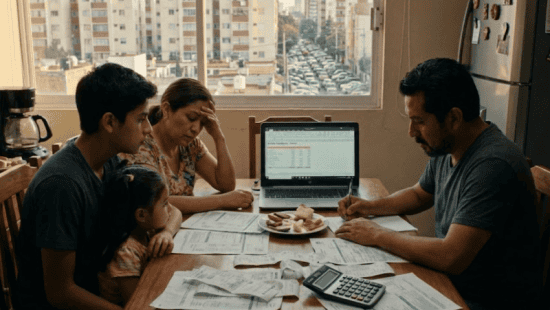





I support this bill 100% because Californians should no longer wait several days or weeks to get the healthcare that they need when they are sick or injured. I pray that this bill is passed by the Legislature and is quickly signed into law by Governor Newsom.
I am signing this petition because I strongly support AB 2386.