On Monday, May 12, 2026, Gerardo Mérida Sánchez, former Secretary of Public Security of Sinaloa, crossed the border at Nogales and surrendered to US authorities. Days later, Enrique Díaz Vega, former Secretary of Administration and Finance for the same state government, traveled from Europe to New York to turn himself in to federal authorities.
Both are the first members of Governor Rubén Rocha Moya’s cabinet to be taken into US custody, accused of conspiring with the Sinaloa Cartel to smuggle massive quantities of narcotics into the United States.
Their surrender was not an isolated event. It was the final visible link in an investigation that took more than eight years to build, beginning with relatively small trafficking cells in Los Angeles and escalating, step by step, to reach the highest levels of the Sinaloa state government.
The case against them, numbered S9 23 Cr. 180, was opened in the Southern District of New York. It now includes 38 people: the leaders of the Sinaloa Cartel known as Los Chapitos, their operatives, international suppliers, money launderers, and ten current and former Sinaloa state government officials, headed by Rubén Rocha Moya.
The story of the case doesn’t begin in 2023, when the Department of Justice announced the charges against Los Chapitos with great fanfare. It begins several years earlier, in California.
In August 2018, federal prosecutors in the Central District of California announced the results of Operation Narconetas, a three-year investigation led by the FBI and the DEA that dismantled three drug trafficking organizations linked to the Sinaloa Cartel in the Los Angeles metropolitan area.
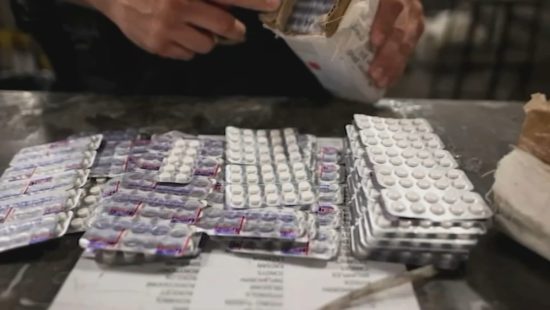
The cells received shipments of cocaine, heroin, and methamphetamine from northern Mexico, concealed them in secret compartments in vehicles, soup cans, and small planes, and distributed them from California to states such as Nevada, Arizona, Kansas, and Minnesota.
The operation resulted in 57 indictments, 22 initial arrests, and the seizure of nearly one ton of cocaine, 850 pounds of methamphetamine, and 93 pounds of heroin. Thirty-five of the indicted individuals were fugitives, and most were believed to be in Mexico.