The South Carolina Republican spent more than two decades in the Senate, evolving from a leading advocate for bipartisan immigration reform to a prominent voice for tougher border enforcement.
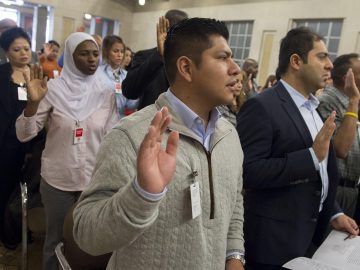
For millions of immigrant families, immigration policy is not an abstract debate happening in Washington. It can determine whether families stay together, whether longtime residents have a chance to obtain legal status, and how communities experience immigration enforcement.
Sen. Lindsey Graham, the South Carolina Republican who spent more than two decades at the center of those national debates, died Saturday at age 71 following what his office described as a “brief and sudden illness.”
The announcement was made by his office and later confirmed by major news organizations.
Graham’s death closes an influential chapter in American politics. It also leaves behind an immigration legacy that continues to shape issues affecting Latino communities in California and across the country.
A Senator Who Helped Shape Immigration Debates
Graham served in the U.S. Senate since 2003 and was one of the most recognizable Republican voices on foreign policy, federal spending, and immigration.
For many immigrant families, his role in immigration policy may be his most consequential legacy.
Long before immigration became one of the country’s most polarized issues, Graham was considered one of the Republican Party’s leading advocates for bipartisan reform.
He worked with Democrats and fellow Republicans on comprehensive immigration proposals in 2007 and later became one of the architects of the Senate’s 2013 “Gang of Eight” bill.
That legislation sought to strengthen border security while creating a pathway to legal status and eventual citizenship for millions of undocumented immigrants.
The measure passed the Senate but stalled in the House of Representatives and never became law.
For many immigrant families, it represented one of the closest opportunities in recent history for comprehensive immigration reform.
His Position Changed Over Time
In later years, Graham’s immigration views evolved.
He increasingly focused on border security and enforcement policies. He supported expanding immigration enforcement tools and backed efforts to increase deportations of people living in the country unlawfully.
Earlier this year, he introduced legislation aimed at eliminating sanctuary cities by imposing penalties on state and local officials who obstruct federal immigration enforcement.
His political evolution mirrored a broader shift within the Republican Party as immigration became one of the nation’s defining political issues.
Federal immigration decisions often have direct effects on:
- Family reunification
- Deportation priorities
- Access to legal pathways
- Local law enforcement cooperation with federal authorities
- Community trust in public institutions
Although immigration policies do not change because of one senator’s death, Graham’s influence helped shape many of the national debates that continue today.
His absence may alter future legislative negotiations and Senate leadership dynamics as Congress continues to wrestle with unresolved immigration questions.
Why His Death Matters Beyond Politics
Graham’s career reflected America’s complicated and often conflicting views on immigration.
He once argued that lasting immigration reform required compromise and a pathway to citizenship for longtime undocumented residents.
Later, he became one of the Senate’s strongest advocates for tougher enforcement and stricter border policies.
Those positions earned both praise and criticism, but they also made him one of the most influential figures in shaping the immigration conversation during the past two decades.
For many Latino families, his political journey is a reminder that immigration policies are not static. They evolve with changing political priorities and can significantly affect people’s daily lives.
What California Families Should Know
Sen. Graham’s death does not immediately change federal immigration laws, visa programs, deportation policies, or pending immigration cases.
Families currently navigating immigration issues should continue following official government guidance and seek information from qualified immigration attorneys or accredited nonprofit organizations.
Congress still faces major unresolved questions, including:
- Whether to create new pathways to legal status
- How to balance border security with humanitarian concerns
- The future of asylum policies
- The role of state and local governments in immigration enforcement
Those debates will continue long after Graham’s passing.
The Senate will eventually address leadership responsibilities previously held by Graham and South Carolina officials will begin the process outlined under state law to fill his Senate seat.
Meanwhile, the larger issues that defined much of his political career remain unresolved.
The debates over immigration reform, border security, and pathways to citizenship continue to affect millions of families across California and the nation.
While Lindsey Graham’s long Senate career has come to an end, the policy questions that shaped much of his public life are far from settled.