From family conversations and herbal remedies to modern mental health care, researchers are finding that many traditional Latino healing practices can complement today’s approach to wellness when combined with evidence-based medicine.
For generations, many Latino children have heard the comforting words:
“Sana, sana, colita de rana…”
Whether whispered after a scraped knee or sung to calm a frightened child, the familiar rhyme has long represented more than a simple childhood tradition. It reflects a broader philosophy of healing rooted in comfort, family, resilience and hope.
Today, researchers and healthcare providers are taking a closer look at these cultural traditions. While no folk saying can cure illness, experts increasingly recognize that many long-standing Latino practices, from storytelling and family support to herbal remedies and community care, can complement modern medicine and improve emotional well-being when used alongside evidence-based healthcare.
That shift is especially important in California, home to nearly 16 million Latinos and one of the nation’s largest bilingual healthcare systems. As hospitals, universities and public health agencies work to reduce mental health disparities, many are finding that respecting cultural traditions is not simply good community outreach. It is good healthcare.
Rather than asking families to abandon their traditions, many providers are learning how to build on them.
A New Way of Understanding an Old Tradition
Most people think of Sana Sana as a nursery rhyme.
In reality, it reflects something much deeper.
Across Latin America, healing has traditionally involved much more than treating symptoms. Emotional support, extended family, spirituality, home remedies and shared experiences have often been considered essential parts of recovery.
Modern healthcare is beginning to recognize that many of these practices can strengthen overall well-being, particularly when they encourage people to seek care earlier, stay connected to loved ones and participate actively in their own health.
Researchers describe these approaches as culturally adapted care. Instead of replacing modern medicine, they help make healthcare feel more familiar, accessible and trustworthy for the communities it serves.
For Latino families, this can mean recognizing that culture itself can become part of the healing process.
The childhood phrase Sana Sana can also be understood as a practical framework for wellness. While not a medical model, it reflects values that many researchers now associate with resilience, social connection and healthier communities.
1. Healing Begins With Comfort
Long before children understand medicine, they understand reassurance.
A parent hugs them.
A grandparent sings softly.
Someone tells them everything will be okay.
These moments may seem simple, but psychologists have long recognized that emotional reassurance can help regulate stress and strengthen a child’s sense of safety.
That does not replace medical care. Instead, it reminds us that compassion is often one of the first steps toward healing.
2. Families Heal Together
Many cultures emphasize individual independence.
Latino families often emphasize something different.
Healing is rarely viewed as a solitary experience.
When someone becomes ill, relatives often bring meals, visit regularly, offer childcare, pray together or simply spend time listening.
This tradition reflects the cultural value known as familismo, which places strong importance on family relationships and mutual support.
Research consistently finds that people with stronger social connections often experience better physical and emotional health outcomes than those facing challenges alone.
For many Latino families, this support network has existed for generations.
3. Conversations Can Be Medicine
One of the most overlooked healing traditions is the simple act of talking.
Across many Latino households, meaningful conversations, or pláticas, happen around the kitchen table, during family gatherings or while preparing meals together.
These conversations allow people to share worries, celebrate successes and process difficult experiences.
Mental health professionals increasingly recognize that safe, supportive dialogue can reduce isolation and encourage people to seek professional help when needed.
In many ways, today’s emphasis on emotional wellness reflects something Latino families have practiced informally for decades: healing often begins when someone truly listens.
More Than Folk Wisdom
Some traditional practices also involve herbal remedies that have been passed down through generations.
Chamomile tea may be offered for relaxation.
Aloe vera may be used for minor skin irritation.
Eucalyptus might be used to help ease congestion.
Many families continue using these familiar remedies after immigrating to the United States.
Research published through the National Library of Medicine suggests that traditional health practices remain remarkably common among Mexican American and other Latino communities. Rather than rejecting modern healthcare, many families use home remedies alongside visits to doctors, clinics and pharmacies.
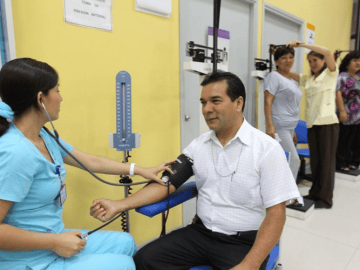
Health experts emphasize that herbal remedies should complement, not replace, professional medical care. Some herbs can interact with prescription medications or may not be appropriate for certain medical conditions. Patients should always discuss supplements and herbal products with their healthcare provider.
That balanced approach is becoming increasingly common in California’s healthcare systems, where culturally responsive care aims to respect family traditions while ensuring patients receive safe, evidence-based treatment.