The congressional candidate’s account of going to Mexico for medical care puts the cost of insurance and treatment in the United States in focus.
Bobby Pulido is running for Congress, but during a conversation about the economy, immigration, and the challenges facing the Rio Grande Valley, it was his own struggle with health care costs that produced one of the interview’s most striking moments.
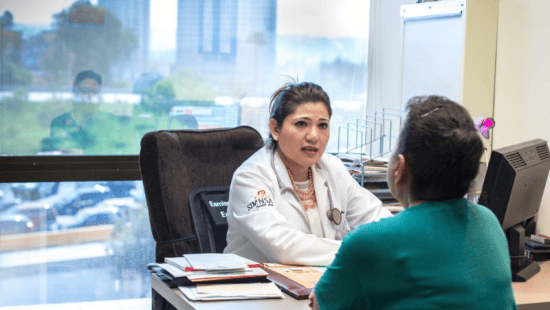
Pulido told Council President and CEO Javier Palomerez that he does not have health insurance and has had to travel to Mexico to obtain health care, raising questions about the affordability and accessibility of medical services in the United States.
“I’m going to start by telling you that I don’t have health insurance, Javier. And I’m embarrassed to tell you that I’ve had to go to Mexico for my health care. I live in the richest country in the world. Now the president wants to give a million and a half trillion dollars for our military budget when we cannot provide affordable health care to our people,” Pulido said.
The disclosure stood out during the hour-long afternoon interview, which covered a range of issues affecting the Rio Grande Valley, from economic development and energy diversification to water needs and the consequences of immigration enforcement on local businesses and workers.
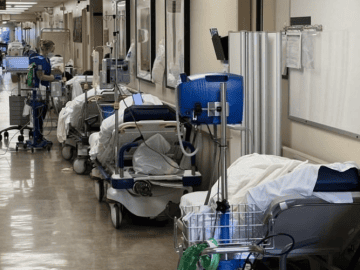
But Pulido’s comments about health care brought the discussion to an issue that extends well beyond the Valley: the difficulty many Americans face in obtaining affordable medical care, particularly when they lack health insurance or cannot afford the out-of-pocket costs associated with treatment.
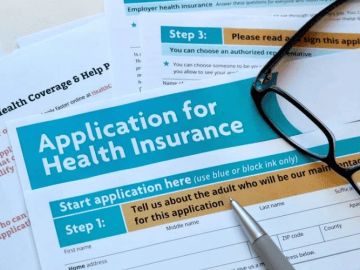
For millions of Americans, health care expenses can create difficult choices between seeking medical attention and managing household budgets. Insurance premiums, deductibles, copayments, and other medical expenses can make even insured patients think twice about the cost of treatment. For those without coverage, the financial barriers can be even greater.
Pulido lives in Edinburg and also has a home in Mexico. His circumstances reflect the cross-border connections that shape everyday life in South Texas, where traveling to Mexico for medical or dental services is an option some U.S. residents consider when weighing costs and access.
Mexico has long attracted American patients seeking certain medical, dental, and other health services, often because of lower prices for comparable procedures. The reasons for traveling vary, however, and the cost advantage depends on the treatment, provider and individual circumstances.
Pulido’s experience gives that broader debate a personal dimension. A candidate seeking a seat in the U.S. House of Representatives says he has had to look beyond the country’s borders for health care because he lacks insurance.
His comments also raise questions about the relationship between national spending priorities and the everyday financial pressures Americans face when they need medical attention.
The health care discussion was part of a wider examination of the economic ties between South Texas and northern Mexico. Pulido argued that the two economies are intertwined and emphasized the contributions Mexican immigrants have made to the Rio Grande Valley’s economy.
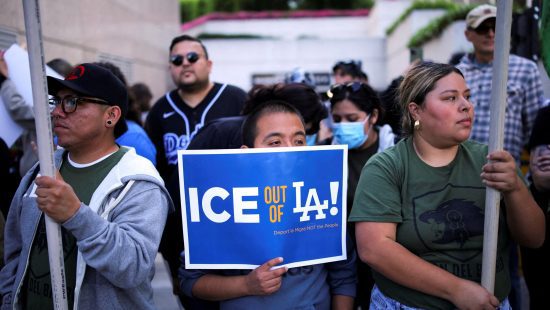
He and Palomerez also discussed immigration raids conducted by U.S. Immigration and Customs Enforcement officers and their effects on businesses facing worker shortages, as well as workers who are detained.
Together, these issues illustrate the challenges confronting a border region whose economy depends heavily on cross-border relationships, a mobile workforce, and access to opportunities on both sides of the international boundary.
Yet Pulido’s health care disclosure brought the conversation back to a basic question affecting families across the country: What happens when people living in one of the world’s wealthiest nations cannot afford the health care they need?
For Pulido, the answer has included seeking care in Mexico.
As he campaigns for Congress, his account places health care affordability at the center of a discussion about the economic pressures facing Americans and the role public policy can play in determining whether medical treatment is within reach.