Hospitals are reporting more uninsured patients as higher insurance costs and changes to public health programs create new challenges for California’s Latino communities.
California’s Latino communities could face growing health care challenges as hospitals report increases in uninsured patients and changes to health insurance programs create new affordability concerns.
Latinos represent approximately 15 million residents in California, making up about 39% of the state’s population and becoming the largest ethnic group in California. Although the Affordable Care Act (ACA), Medi-Cal expansion and Covered California helped millions gain coverage over the past decade, many Latino families remain vulnerable to changes in insurance costs and public health programs.
The issue is especially significant because Latino residents represent a large share of Californians who depend on public coverage. Medi-Cal, California’s Medicaid program, covers more than one-third of the state’s population, and Latino families make up a substantial portion of those enrolled.
In Los Angeles County, where Latinos represent nearly half of all residents, Medi-Cal is one of the main sources of health coverage for low-income families.
Recent changes to ACA marketplace assistance have increased concerns about affordability. Enhanced federal subsidies that lowered insurance costs for many Covered California customers expired, creating higher premiums for some consumers. Covered California reported that while nearly 1.9 million Californians selected or renewed health plans for 2026, new enrollment declined after the subsidy changes. Latino enrollment was among the groups affected, with new Latino sign-ups decreasing significantly compared with the previous year.
For many Latino workers, employer-sponsored insurance remains difficult to obtain. Large numbers work in industries such as restaurants, construction, hospitality, agriculture and service jobs, where employers may not offer affordable health benefits. When private insurance becomes too expensive, many families depend on Medi-Cal or marketplace subsidies to maintain access to medical care.
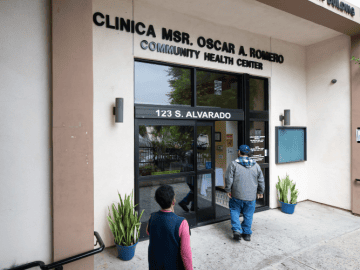
The impact is expected to be particularly important in Los Angeles County, which has one of the largest health care safety-net systems in the country. The county’s public hospitals and community clinics already provide care for millions of residents, including many people with limited income or no insurance.
Hospitals warn that an increase in uninsured patients can create financial pressure throughout the health system. When people lose coverage, they are more likely to delay routine medical visits, skip preventive screenings or postpone treatment for chronic illnesses. Conditions such as diabetes, high blood pressure and heart disease can become more difficult and expensive to manage when patients do not receive early care.
Medical debt is another concern for Latino households. In Los Angeles County, approximately 12% of Latino adults reported having medical debt, compared with lower rates among several other racial and ethnic groups. Rising medical costs can affect families even when they have insurance, especially when they face deductibles, co-payments or unexpected bills.
Health experts say the consequences of losing coverage extend beyond individual patients. More uninsured residents can mean increased emergency room use, longer waits at hospitals and greater demand for community clinics. Safety-net providers may face additional costs as they continue treating patients who cannot fully pay for care.
California has made significant progress in reducing the number of uninsured residents, but maintaining those gains will depend on affordable insurance options and stable funding for programs such as Medi-Cal. For Latino communities, access to health coverage remains closely connected to access to doctors, preventive care and financial stability.
As hospitals prepare for possible increases in uninsured patients, the central challenge for California’s health system is ensuring that residents can receive medical attention before health problems become emergencies.