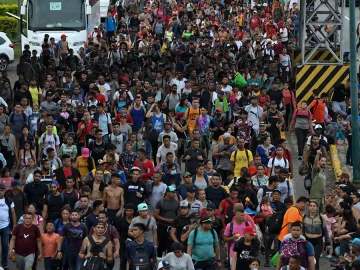
As the United States grows older, California’s expanding Latino population is helping redefine the future workforce, economy, and leadership of the nation.
The United States is entering a new demographic era. The country is older than it has ever been, with a rising share of Americans reaching retirement age and a declining share of younger generations replacing them. Across much of the nation, communities are confronting the challenges of an aging population — from healthcare and caregiving needs to workforce shortages and changing economic demands.
But California offers a different view of what the future may look like.
The state reflects America’s aging trend while also showing the impact of a younger, more diverse generation. California’s population has grown older over time, but its Latino community remains one of the strongest demographic forces shaping the state’s future. Latinos are now the largest ethnic group in California, influencing the state’s economy, culture, schools, workforce, and political landscape.
The story of California is not simply about population growth. It is about generational change.
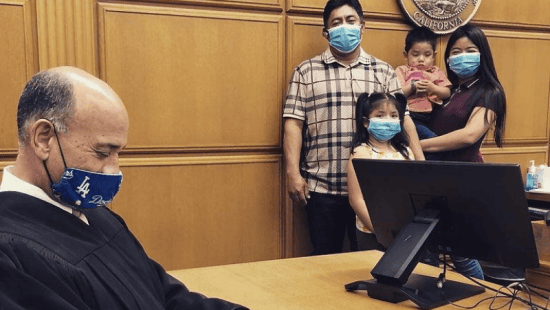
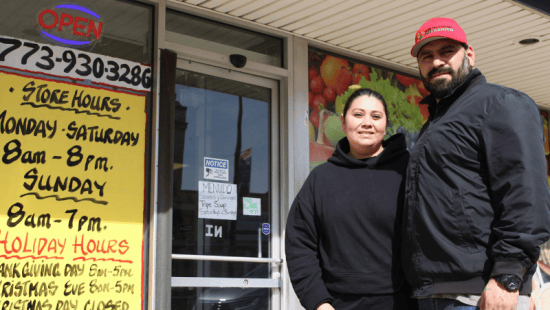
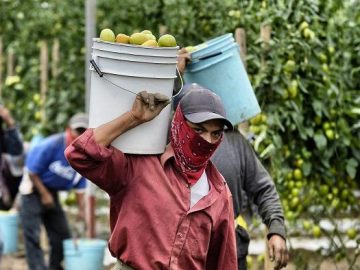
For decades, Latino families have helped build California’s agricultural economy, cities, businesses, and communities. Today, a new generation of Latino Californians is entering classrooms, workplaces, and leadership positions across the state. They represent a growing share of the future workforce at a time when many parts of the country are facing an aging labor force and population decline.
California’s demographic balance reveals a national challenge: how to support an older population while preparing younger generations to lead.
The Aging of America
The aging of the United States is one of the most significant demographic shifts of the 21st century. The median age of Americans has increased steadily over recent decades as people live longer and birth rates decline. States such as Maine and New Hampshire have among the oldest populations in the country, with median ages above 40.
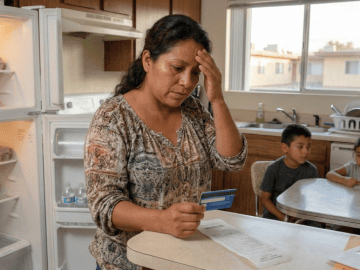
This shift is affecting communities nationwide. Older Americans are increasing demand for healthcare services, retirement planning, accessible housing, and long-term care. At the same time, many regions are struggling to maintain a workforce large enough to support economic growth.
For many small towns and rural areas, the question is not only how to care for an aging population, but also how to attract and retain younger residents.
California’s Different Demographic Future
California represents a different demographic model. While the state is aging, it continues to have a large population of younger residents because of the size and growth of its Latino community.
Latinos in California include multiple generations: immigrants who helped build communities, U.S.-born children and grandchildren of immigrants, and young people who are becoming professionals, entrepreneurs, educators, and civic leaders.
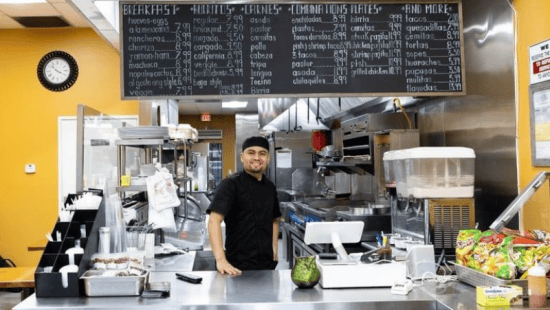
This younger demographic presence has helped California maintain a dynamic workforce and cultural identity. Latino Californians are contributing to industries ranging from agriculture and construction to technology, healthcare, education, and entertainment.
The future of California will depend on how successfully the state invests in this next generation through education, job opportunities, housing, and economic mobility.
From California to the Rest of America
The demographic trends visible in California are increasingly becoming national trends. Across the United States, younger generations are becoming more diverse, while older generations represent a larger share of the population.
The country’s future workforce will depend heavily on communities that are growing today. As the Latino population expands beyond California into states across the Southwest, South, and Midwest, its role in shaping America’s economy and society will continue to increase.
The question facing the nation is not whether America will change, but how it will adapt.
An older America will need the energy, skills, and contributions of younger generations. A more diverse America will need policies and institutions that create opportunity across communities. The relationship between generations will determine how successfully the country navigates this transition.
California as a Preview of America’s Future
California is not just a state experiencing demographic change — it is a preview of the country’s future.
The state shows that an aging population and a growing younger generation can exist at the same time. It demonstrates that demographic change is not only a challenge but also an opportunity.
The next chapter of America will be shaped by the communities that are growing, working, and leading today. In many ways, that future is already visible in California.