Vineyard removals, declining wine demand and reduced harvests are leaving many Latino farmworkers with fewer jobs, shorter seasons and growing financial uncertainty.
The first signs of California’s wine crisis are visible in the fields.
Where rows of grapevines once stretched across the landscape, some growers are now leaving empty soil behind. Vineyards are being removed, harvests are being reduced, and the workers who have spent generations caring for those vines are facing a shrinking job market.
For thousands of Latino farmworkers, the decline of California’s wine industry is becoming a crisis measured in lost hours, shorter seasons, and fewer opportunities.
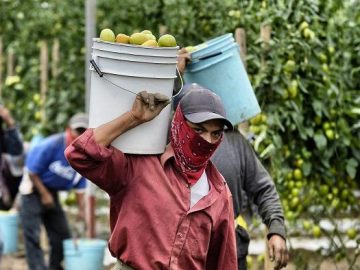
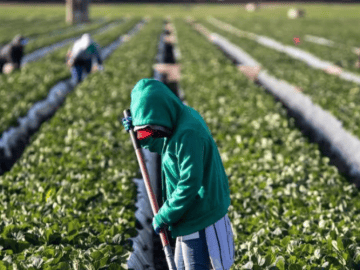
California’s wine industry has long depended on a largely Latino agricultural workforce. These workers prune vines in winter, maintain fields through the growing season, and harvest grapes when the crop is ready. But as growers reduce production, the demand for that labor is declining.
There is no official statewide count of how many Latino vineyard workers have lost jobs because of the downturn. Employment data does not generally identify job losses by both ethnicity and specific agricultural crop. But several indicators show the scale of the disruption.
California’s wine grape acreage has fallen sharply. The state had an estimated 540,000 acres of wine grapes in 2025, down from about 580,000 acres in 2024 and 610,000 acres in 2023. The same report recorded more than 21,000 acres of vineyard removals during the year. Another industry mapping project counted more than 38,000 acres of winegrape vineyards removed between late 2024 and August 2025.
Each acre removed represents less work for the people who maintain those fields. A vineyard that disappears no longer needs the same number of workers for pruning, irrigation, pest management, and harvest.
The downturn comes after years of expansion. California growers planted more vineyards as demand for wine increased, but the market has changed. Younger consumers have been drinking less alcohol, competition from other beverages has grown, and wineries have struggled with excess inventory. Industry analysts have pointed to oversupply and declining consumption.
For growers, the economics have become increasingly difficult. Producing grapes requires labor, water, equipment, and maintenance costs that can exceed what growers earn when demand weakens. Some producers have reduced purchases from growers, left grapes unharvested, or removed vineyards entirely.
For farmworkers, the impact is immediate.
Many vineyard jobs are seasonal, meaning a worker does not need to be formally laid off to feel the consequences. A shorter harvest, fewer acres, or fewer maintenance needs can translate into fewer paychecks. Latino farmworkers make up a significant share of California’s agricultural labor force, with many workers having roots in Mexico and other Latin American countries.
The economic effects reach beyond the vineyard rows.
Wine is not only a farming industry; it is part of a larger rural economy. Truck drivers transport grapes and wine. Equipment companies repair machinery. Nurseries supply vines. Restaurants, hotels, and tasting rooms depend on wine tourism. When vineyards contract, the loss can spread through the businesses that rely on agricultural activity.
In communities where wine is a major employer, fewer vineyard jobs can mean less spending at local stores, restaurants, and service businesses. The impact is especially significant in rural areas where workers and small businesses depend on the seasonal income generated by agriculture.
The industry is now trying to find a new balance. Some wineries are focusing on premium products, direct sales, and tourism. Some growers are replacing vineyards with other crops or selling their land. Others are leaving the wine business entirely.
For California wine, the adjustment may eventually create a smaller and more sustainable industry. But for the workers who built the vineyards, the transition is already happening.
The disappearance of a vineyard is not only a change in the landscape. It is also a change in the lives of the people who depended on those vines for their livelihoods.