New BLS data show Hispanic labor force participation declined in June as nearly 18 million Latinos remained outside the workforce and unemployment edged higher.
More Than 1 Million Hispanics Left the Labor Force Over the Past Year
Nearly 18 million Hispanic adults were outside the U.S. labor force in June, according to the latest U.S. Bureau of Labor Statistics (BLS) data, as the number of Latinos who are neither working nor actively seeking employment increased by more than 1 million over the past year.
The figures come as the total number of Americans classified as “not in the labor force” (NILF) reached a record 105.8 million in June, up 2.6 million from the same month in 2025 and 832,000 from May alone.
For Hispanic workers, the data show that approximately 17.95 million adults were outside the labor force in June 2026, compared with 16.94 million in June 2025—an increase of about 1.01 million people, or 6%.
Latino Labor Force Participation Declines
The increase coincides with a decline in labor force participation among Hispanics.
The Hispanic labor force participation rate fell from 66.8% in June 2025 to 66.0% one year later, indicating that a smaller share of Latino adults were working or actively looking for a job.
At the same time, unemployment among Hispanic workers also increased. The number of unemployed Latinos rose from approximately 1.64 million to 1.83 million, while the Hispanic unemployment rate climbed from 4.8% to 5.2%.
National Labor Force Hits Record Low Participation
Across the country, the BLS reported 105.8 million Americans age 16 and older were not in the labor force in June, the highest level on record.
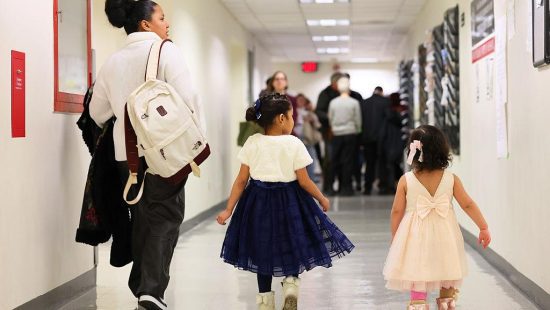
The category includes anyone who is not employed and not actively seeking work. That means the figure covers a wide range of Americans, including retirees, college students, stay-at-home parents, caregivers, and people with disabilities or long-term illnesses. It is not the same as the unemployment count.
The overall U.S. labor force participation rate also declined, falling from 62.3% in June 2025 to 61.5% in June 2026.
Why the Numbers Matter
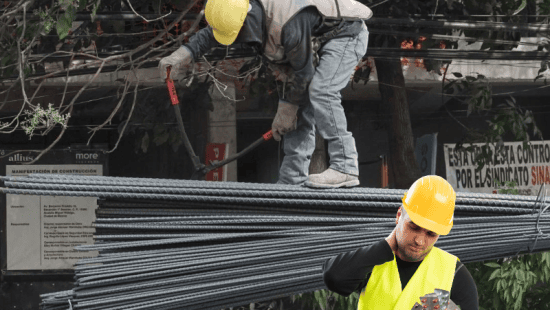
Latinos make up one of the fastest-growing segments of the U.S. workforce and are heavily represented in industries including construction, hospitality, transportation, agriculture, manufacturing, and health care.
While the BLS data do not explain why individual Hispanic adults are outside the labor force, economists note that several factors can contribute to higher NILF totals, including retirement, higher school enrollment, caregiving responsibilities, disability, long-term illness, and weaker job prospects.
Still, the simultaneous increase in the number of Hispanics outside the labor force, the decline in labor force participation, and the rise in unemployment suggest that the Latino labor market has softened over the past year.
With nearly 18 million Latinos now outside the labor force and the nation’s NILF population reaching a record 105.8 million, upcoming monthly jobs reports will be closely watched to determine whether these trends continue or begin to reverse.