The move expands the number of Mexican criminal organizations labeled as terrorist groups and gives federal authorities broader legal tools to target cartel finances, supporters, and cross-border operations.
The United States has officially designated the Juárez Cartel and Los Viagras as Foreign Terrorist Organizations (FTOs), expanding a strategy that allows federal authorities to pursue tougher criminal, financial, and national security actions against Mexican criminal organizations.
The designations, published by Secretary of State Marco Rubio in the Federal Register, immediately place the two organizations alongside six other Mexican cartels that had already received the same designation, including the Sinaloa Cartel and the Jalisco New Generation Cartel (CJNG).
For California, especially communities with close economic, family, and cultural ties to Mexico, the announcement could have implications that extend beyond border security. The decision may affect federal investigations, financial enforcement, immigration-related cases, and cross-border criminal prosecutions.
The State Department concluded that both organizations meet the legal requirements under Section 219 of the Immigration and Nationality Act to be designated as Foreign Terrorist Organizations.
The designation became effective upon publication in the Federal Register. A related action also classified both groups as Specially Designated Global Terrorists, expanding the government’s authority to block assets and pursue financial sanctions.
An FTO designation does not simply add another label to an already dangerous criminal organization.
It provides the U.S. government with broader legal tools, including:
- Freezing assets subject to U.S. jurisdiction
- Criminal penalties for knowingly providing material support
- Expanded financial investigations
- Greater coordination among intelligence, law enforcement, Treasury, Homeland Security, and the Department of Justice
- Increased pressure on international partners to disrupt cartel operations
Officials say the objective is to weaken cartel networks not only by arresting traffickers but also by targeting the financial and logistical systems that allow them to operate.
Who are the two organizations?
Juárez Cartel
The Juárez Cartel is one of Mexico’s oldest drug trafficking organizations. Based in Ciudad Juárez, across the border from El Paso, Texas, it has controlled an important trafficking corridor for decades.
Federal documents list several aliases, including:
- Cartel de Juárez
- La Línea
- Vicente Carrillo Fuentes Organization
- Barrio Azteca
Although the organization has weakened from its peak in the 1990s, it remains active in drug trafficking and other organized crime activities.
Los Viagras
Los Viagras operates primarily in the Mexican state of Michoacán.
Authorities allege the organization is involved in:
- Synthetic drug production
- Drug trafficking
- Extortion
- Territorial control
- Violence against rival criminal groups
The group has also been accused of extorting industries important to both Mexico and the United States, including avocado production.
While the announcement centers on criminal organizations operating in Mexico, California is closely connected to the issues involved.
The state is home to:
- One of the nation’s busiest international borders
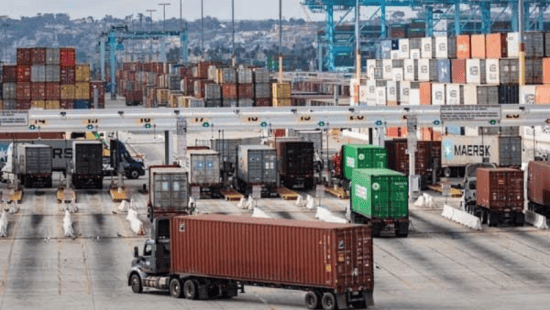
- Major international trade routes
- Millions of residents with family ties to Mexico
- Significant federal anti-drug and anti-money laundering operations
The new designation could influence investigations involving money laundering, drug trafficking, weapons trafficking, and financial networks that cross international borders.
Legal experts also note that organizations and individuals accused of knowingly providing support to designated terrorist organizations may face more severe federal penalties than under traditional organized crime statutes.
The designations come as immigration and border security remain central issues in Washington.
Although the announcement does not change immigration law by itself, terrorism designations can affect certain immigration proceedings, visa decisions, asylum reviews, and national security investigations where connections to designated organizations are alleged.
Immigration attorneys caution that each case remains fact-specific and depends on federal law and individual circumstances.
Federal agencies are expected to coordinate additional enforcement actions using the expanded authorities created by the designations.
Observers will also watch whether the move leads to additional sanctions, criminal prosecutions, diplomatic discussions with Mexico, or further cartel designations.
For California residents, particularly those living near the border or working in industries affected by international trade and security policy, the broader effects may become clearer as federal agencies implement the new authorities.