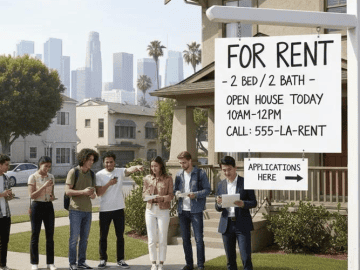
A new NAHREP report shows Latino families powered national homeownership gains in 2025, even as Los Angeles and California remained among the toughest places to buy.
LOS ANGELES, Calif. — Latino families drove every net gain in U.S. homeownership last year, reaching a record 10.2 million homeowners nationwide. But in California, where many Latino households are central to the workforce and economy, buying a home remains one of the steepest financial challenges in the country.
That is the central finding of the 2025 State of Hispanic Homeownership Report from the National Association of Hispanic Real Estate Professionals, known as NAHREP. The report found Hispanic households added 441,000 new homeowners in 2025, even as other major demographic groups posted declines.
Without Latino buyers, the United States would have recorded a net loss in homeownership.
The milestone matters beyond housing. Homeownership remains one of the main ways families build long-term wealth, pass assets to children, and gain financial stability. For many Latino households in California, however, that path is increasingly blocked by high prices, interest rates, and limited inventory.
California Is Critical to the National Trend
California is home to roughly one-quarter of the U.S. Latino population, making the state one of the most important housing markets in the country. Between 2013 and 2021, Latinos accounted for most homeownership growth in California, according to NAHREP.
Yet affordability remains severe.
The California Association of Realtors reported that in 2025 only 11% of Latino households in the state could afford a median-priced home, estimated near $875,550. That purchase would require an income above $221,000 under standard lending assumptions.
In Los Angeles County, the challenge is even sharper. NAHREP data shows the county ranked among the least affordable markets for Latino buyers, with only a small share of households earning enough to purchase a median-priced home.
That means many working families with stable incomes still cannot cross the threshold into ownership.
Why Latino Buyers Keep Entering the Market
Despite the barriers, many Latino households returned to the market in 2025 as mortgage rates eased from prior highs and home prices stabilized in some regions.
NAHREP cited real estate professionals who said buyer confidence improved when families saw more listings, fewer bidding wars, and opportunities to negotiate.
Community networks also play a role. First-time buyers often rely on advice from relatives, friends, and trusted bilingual professionals who recently completed the same process.
That social confidence can matter as much as financial readiness.
Inland California May Offer More Opportunity
As coastal prices remain elevated, some Latino buyers are shifting attention inland.
Markets in the Inland Empire, Riverside County, San Bernardino County, and parts of the Central Valley have seen stronger interest because homes remain relatively more attainable than Los Angeles or Orange County.
For households priced out of L.A., these regions can offer a path to ownership, though longer commutes and rising local demand remain concerns.
The report also found more Latino homeowners are thinking beyond a primary residence. Some are converting starter homes into rental properties, using equity growth and rental income to purchase another property later.
That reflects a broader wealth-building strategy as more families move from first-generation ownership to long-term investment.
Housing economists say California’s future homeownership rate will depend heavily on supply. More starter homes, accessory dwelling units, zoning reform, and down payment assistance could determine whether the next generation can buy.
For now, Latino families are carrying national homeownership growth while facing some of America’s toughest housing math.
That success story is real. So is the affordability crisis.