As consumers become more selective, trust and transparency are driving loyalty and spending decisions. The shift is especially important for Latino-owned businesses across Los Angeles navigating rising costs and competition.
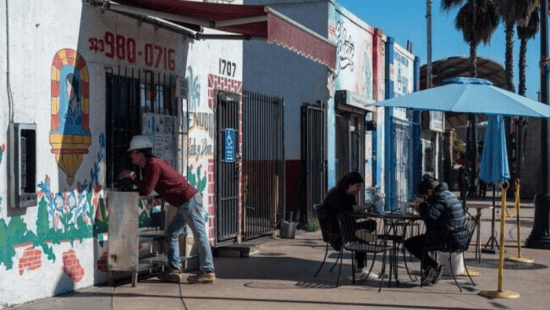
LOS ANGELES — On a busy stretch of Highland Park., where small businesses compete block by block, one factor is quietly shaping who survives and who closes. It is not price. It is not location. It is trust.
In 2026, trust has moved from a soft value to a hard business strategy. Consumers are asking more questions, comparing more options, and walking away faster when something feels off. For small businesses across Los Angeles County, that shift is redefining how they operate day to day.
Research shows that nearly seven in ten consumers are willing to pay more for brands they trust, signaling a clear shift in buying behavior. At the same time, a growing share of customers say they will switch companies entirely if transparency is lacking, even when prices are lower.
This is happening against a broader backdrop of declining institutional trust. The 2026 Edelman Trust Barometer found that people are increasingly relying on smaller, familiar networks when deciding what to believe and where to spend. That dynamic is especially visible in Los Angeles, where community reputation often carries more weight than advertising.
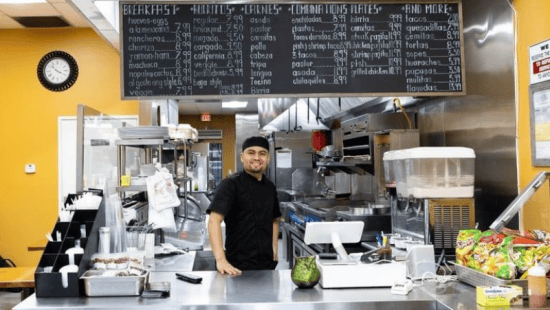
For Latino-owned businesses, the stakes are even higher. According to the U.S. Census Bureau, Latino entrepreneurs represent one of the fastest-growing segments of small business owners in California. Many rely heavily on repeat customers and word of mouth, making trust a direct driver of revenue.
The pressure is compounded by economic realities. Data from the Pew Research Center shows Latino households are more likely to report financial stress, which means consumers are making more deliberate choices about where their money goes. In this environment, trust becomes a filter. Businesses either pass or they do not.
That is why transparency is becoming operational, not optional.
It shows up in simple decisions. Being upfront about pricing before a customer asks. Explaining delays instead of going silent. Admitting when something went wrong and fixing it quickly. These are not marketing tactics. They are retention strategies.
“Customers today expect clarity, not perfection,” said a Los Angeles-based small business consultant who works with neighborhood retailers. “If something goes wrong, how you communicate matters more than the mistake itself.”
That approach is supported by data. Studies show that most consumers are willing to give a company another chance after a mistake if there is a clear history of honesty. But once trust is broken, many will not return.
Inside businesses, the same principle applies. Teams that operate in transparent environments tend to be more engaged and more consistent in how they treat customers. That consistency becomes visible to the public.
Local institutions are also reinforcing the importance of trust. The Los Angeles County Department of Consumer and Business Affairs has expanded outreach around scams and fair practices, reflecting growing concern about misinformation and fraud in the marketplace.
Still, there is a balance to strike. Experts warn that transparency without clarity can overwhelm customers or create confusion. The goal is not to share everything, but to share what matters in a way people understand.
In Los Angeles, where competition is intense and consumers are more cautious, that balance is becoming a defining skill.
For many Latino entrepreneurs, trust has always been part of the business model, built through relationships, family networks, and community presence. What is changing now is the speed and scale at which trust can be lost or earned.
As economic pressure continues and consumer expectations rise, one reality is becoming clear. Businesses are no longer competing only on price or product.
They are competing on whether people believe them.