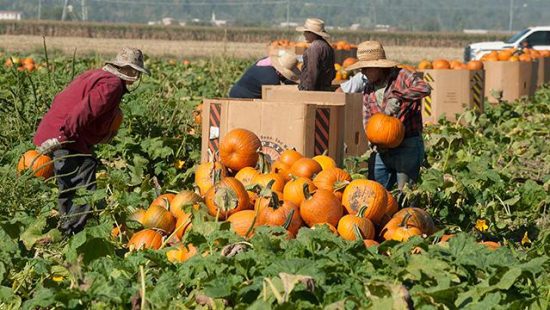
Farmers say stricter immigration enforcement and border policies are worsening a long-standing labor shortage, with the ongoing farm labor shortage immigration raids United States forcing the federal government to expand temporary foreign worker visas to protect the U.S. food supply.
For years, the agricultural sector in the United States has faced a tight labor market as farmworkers age and fewer new immigrants and younger Americans are willing to work in the fields. The ongoing farm labor shortage immigration raids United States has intensified these challenges, as stricter enforcement and deportations reduce the available workforce. Top Trump administration officials vowed that mass deportations would help, promising “higher wages with better benefits” and a “100 percent American work force,” but many farmers report that labor gaps persist despite these policies.
But the administration has quietly acknowledged in recent months that its immigration raids and crackdown on the border have aggravated the issue. So it has instead turned to an alternative source, making it cheaper for farmers to hire immigrant farmworkers on temporary visas.
Many farmers have celebrated those changes, made to an increasingly popular visa program known as H-2A, noting the difficulty in hiring American workers and tough economic conditions for the industry. But immigration hawks and labor unions alike are opposed, arguing the move will only increase the share of foreign workers and hurt native workers and suppress their wages.
The simmering debate highlights how some of the administration’s top goals of reducing immigration, keeping food prices low and helping American workers may inevitably conflict. The competing interests at play also show the spillover effects of Mr. Trump’s hard-line approach to legal and illegal immigration.
Brooke L. Rollins, the agriculture secretary, said in a statement that the administration was enacting “real reforms to ease regulatory burdens and lower labor costs.”
“The farm economy is in a difficult situation, and President Trump is utilizing all the tools available to ensure farmers have what they need to be successful,” she said.
Only 0.4 percent of farmers in California reported losing workers directly to farm raids, according to a new survey by the California Farm Bureau and Michigan State University. But more than 14 percent said the raids and general anxiety surrounding enhanced immigration enforcement caused worker shortages. Among labor-intensive crops like fruit and vegetables, that number was nearly 20 percent.
The Labor Department, in a regulatory filing revamping the H-2A program in October, acknowledged the challenges of finding workers. “The near total cessation of the inflow of illegal aliens combined with the lack of an available legal work force,” it said, “results in significant disruptions to production costs and threatening the stability of domestic food production and prices for U.S. consumers.”
Labor Shortage Hits Builders; Lawmaker Pushes Special Visa for Migrant Workers