After more than three years of debate, Los Angeles still has no citywide cash acceptance law. Business opposition, proposed exemptions and further reviews have delayed a decision affecting residents who rely on cash.
Imagine walking into a neighborhood grocery store in Los Angeles, picking up a few items and approaching the register with cash, only to be told that the business accepts credit cards, debit cards, or digital payments exclusively.
For millions of Americans, paying with a card has become routine. But for people who depend on cash, do not have bank accounts or simply prefer not to use electronic payments, the growing number of cashless businesses can create an unexpected barrier to everyday purchases.
Los Angeles has been discussing a solution for more than three years. Yet, despite support from several City Council members and repeated efforts to move the proposal forward, the city still has not enacted an ordinance requiring most businesses to accept cash.
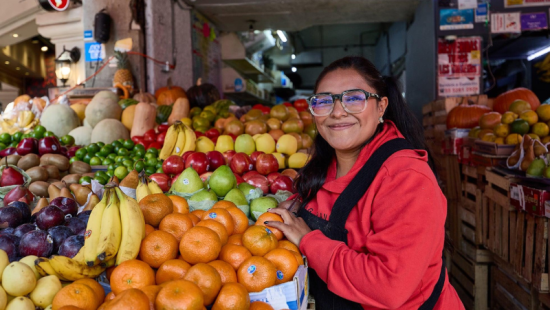
The debate is particularly important for Latino and immigrant communities, where access to traditional banking services can be limited and cash remains an important part of everyday financial life.
The proposal began in August 2023, when Councilwoman Heather Hutt introduced a motion to prohibit cashless retail businesses in Los Angeles.
Her argument was straightforward: refusing cash can exclude residents who do not have access to bank accounts or credit cards, including low income families, seniors, young people and immigrant communities.
The initiative received support from Councilmembers Eunisses Hernandez, Hugo Soto Martínez and Katy Yaroslavsky. The City Council approved the initial motion in October 2023, setting in motion a process that would eventually involve legal analysis, business consultations and several rounds of discussion.
But turning the proposal into an actual law has proven considerably more complicated.
Businesses say accepting cash comes with costs and risks
Business organizations have pushed back against mandatory cash acceptance, arguing that retailers should be allowed to choose how they handle payments.
The Valley Industry and Commerce Association formally opposed the proposal in June 2024, citing concerns about employee safety, theft, operating expenses and the additional responsibilities that come with handling cash.
For businesses that have adopted cashless systems, accepting bills again could require new registers, cash management procedures, bank deposits and potentially armored transportation services.
Security is another concern. Some retailers have moved away from cash because they believe doing so reduces the risk of robberies and burglaries.
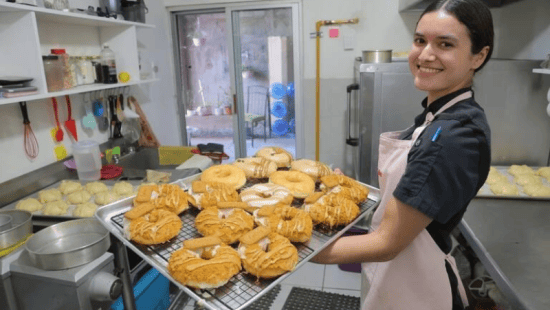
Small businesses, particularly those operating with limited staff and resources, argue that additional requirements could create financial and administrative burdens.
Those concerns have become a central part of the debate, forcing city officials to consider how to protect consumers without imposing identical obligations on every business.
City Hall has proposed exceptions
In March 2024, the city’s Chief Legislative Analyst recommended a framework requiring businesses to accept cash while allowing exceptions for certain transactions and operations.
The proposed rules would require retailers to accept bills of $50 or less and cash payments up to $1,000.
Possible exemptions included online, telephone and mail transactions, parking facilities, sports and entertainment venues, food trucks and mobile businesses, as well as certain transactions involving security deposits.
The framework also contemplated enforcement through the city’s Civil Rights Commission and Civil + Human Rights and Equity Department.
But the proposal did not become law.
In December 2025, the Economic Development and Jobs Committee recommended seeking additional feedback from small business organizations, including the Small Business Commission, Los Angeles Area Chamber of Commerce, Los Angeles County BizFed and California Restaurant Association.
On January 28, 2026, the City Council adopted that recommendation in a 14 to 0 vote, with one member absent.
The unanimous vote might sound like a victory for supporters of cash acceptance, but it was not approval of an ordinance. Instead, councilmembers instructed city departments to gather additional feedback from the business community and report back within 60 days with recommendations on the proposed framework and possible enforcement models.
As of November 17, 2026, Los Angeles still does not have an effective citywide law requiring businesses to accept cash.
Why the debate matters to Latino families
The issue goes beyond convenience.
The original motion cited Federal Deposit Insurance Corporation data showing that 14% of Latino households nationwide did not have a bank account in 2017. Although that figure is historical, it illustrates why financial access became a central argument for the proposal.
People without bank accounts may depend on cash for groceries, transportation, personal services and other everyday purchases. Others may have bank accounts but lack access to credit cards or prefer not to use electronic payment systems.
For immigrant families and low income residents, being unable to pay with cash can mean having fewer options when shopping in their own neighborhoods.
The consequences can be especially frustrating when a business provides an essential service but refuses the only payment method a customer has available.
Other California cities have already acted
Los Angeles is not the first California municipality to consider the issue.
San Francisco adopted a cash acceptance requirement in 2019, followed by West Hollywood and Berkeley. All three cities have laws requiring certain businesses to accept cash.
Their experience offers Los Angeles an opportunity to examine how consumer protections can coexist with legitimate business concerns.
The debate is also gaining national attention. According to the Pew Research Center, at least 10 states and 10 municipalities now require in person businesses to accept cash, with certain exceptions. California is represented by San Francisco, West Hollywood and Berkeley, but not Los Angeles.
The larger question is whether the nation’s second largest city will follow their example or continue debating the issue while cashless businesses expand.
For Councilwoman Hutt, the original argument remains relevant: people should not be excluded from everyday transactions simply because they do not have a credit card or bank account.
For business owners, however, the question is how much government should dictate the way they operate.
And for customers who still rely on cash, the consequences are immediate. They cannot always wait for another City Hall committee meeting.
After more than three years of discussion, Los Angeles residents are still waiting to find out whether their money will be accepted at the neighborhood businesses where they shop.