A new wave of weight loss drugs is reaching younger children. But medication is only one tool, and not everyone has equal access to it.
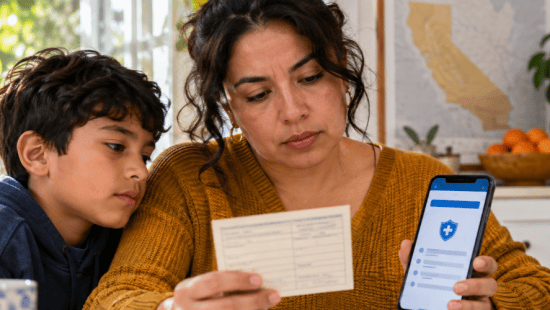
For many Latino parents, a pediatrician’s concern about a child’s weight comes with a hard question: what can we actually do about it?
The numbers explain why the question matters. Obesity prevalence is highest among Hispanic children at 26.2%, ahead of Black children (24.8%) and white children (16.6%), according to the CDC. The rate also climbs as family income falls, from 11.5% in higher income households to 25.8% in the lowest income ones. And Hispanic youth are more likely than white youth to come from low income families.
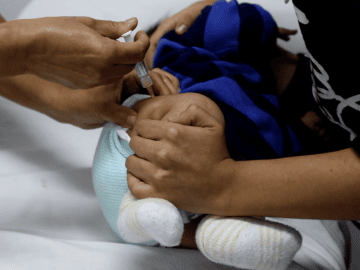
At the same time, a new class of medications is changing the conversation. GLP-1 drugs such as Wegovy, Saxenda and Zepbound reduce appetite and have become common for adults. Doctors are now prescribing them to younger patients.
A fast rise from a small base
A study published in September 2026 in Pediatrics by NYU Langone researchers found that prescriptions for children under 12 remain low but were 310 times higher in June 2026 than in 2019. Most of those children had severe obesity (94%), and most had at least one related condition, such as high cholesterol, high blood pressure or sleep apnea.
Researchers say the evidence is promising. A late stage trial of Saxenda in young children with obesity showed lower body mass index, and Dr. Sarah Armstrong of Duke has said there is strong data on the safety and effectiveness of daily liraglutide for ages 6 to 11.
The questions that remain
Doctors are divided on how fast to move. Some worry about long term effects on development and puberty, and the U.S. Preventive Services Task Force has called the evidence on obesity drugs for children and adolescents inadequate for a recommendation. The American Academy of Pediatrics takes a more open position: it recommended in 2023 that medications be offered alongside lifestyle changes.
There are also safety flags. One recent study found that nearly one in six children and teens on a GLP-1 were diagnosed with a nutritional deficiency. Dr. Shaista Safder, an obesity medicine specialist in Orlando, says doctors must make sure children lose the right kind of weight while they continue to grow and develop.
An access gap is already forming
The NYU team found something that matters for Latino families. Young children living in upper income communities were 55% more likely to be prescribed these drugs. One of the study’s authors said the pattern points to the beginnings of an access gap.
The study did not report a breakdown for Latino children, so it is not possible to say from this research how Latino families are affected. But the pattern is a warning. Children in lower income households have more obesity, and they are less likely to be getting these drugs, which are also costly and not approved for children under 12.
Why one tool is not enough
Even the most optimistic doctors describe medication as one part of treatment. For most families, and especially those who cannot get or afford it, what is available closer to home matters more.
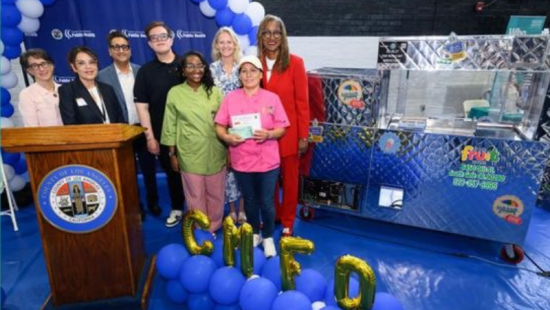
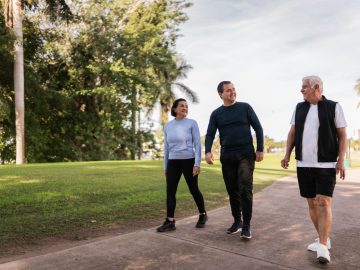
That starts with food access, meaning affordable fresh food in neighborhood stores and schools. It includes safe places to play, such as parks and programs where children can be active. It means nutrition guidance in Spanish that works with family meals and traditions rather than against them. It requires insurance and Medicaid policies that pay for treatment, counseling and follow up care. And it depends on trusted messengers, like community health workers, schools and pediatricians who speak families’ language and understand their lives.
Childhood obesity is a chronic condition, not a lack of willpower, and families should not be left to manage it alone or blamed for it. The CDC encourages saying “children with obesity” instead of “obese children,” a small shift in language that reflects the larger one needed in how the country responds.
The drugs may help some children. But for the many Latino families who face the highest rates and the fewest resources, the next step is more options that reach them.