A large Medicare study found an association in the region covering California and Nevada. Here’s what the evidence means and what patients can discuss with their care team.
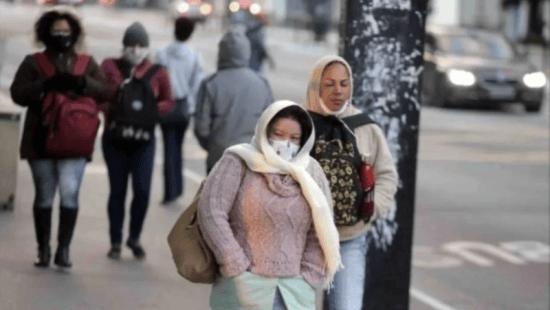
Getting to the bus stop. Walking the dog. Heading out for groceries. When you live with heart failure, a cold morning can change how you approach familiar tasks.
New research published October 29 in JAMA Network Open links colder weather with more heart-failure hospitalizations among older adults. The findings include the region covering California and Nevada. For patients and relatives who help with their care, the practical next step is to review outdoor activity, warning signs and whom to call when symptoms change.
Heart failure means the heart cannot pump enough blood to meet the body’s needs, sometimes because the muscle is weak or too stiff to fill properly. It does not mean the heart has stopped. The condition can leave people short of breath or too tired for everyday tasks, UC Davis Health explains.
What the study found, and what it cannot tell us
Researchers examined 1,517,756 heart-failure hospitalizations involving 996,312 traditional Medicare beneficiaries from 2007 through 2022. They compared temperatures around each hospitalization with matched days for the same patient, accounting for factors including humidity and air pollution.
For the West, the researchers compared daily average temperatures of 45°F and 75°F. At the colder temperature, hospitalization odds were 40% higher, with a 95% confidence interval of 28% to 53% higher. This describes a relative difference in odds, not the percentage of patients hospitalized. The model included temperature effects over the preceding two weeks.
Neither temperature is a personal safety cutoff or thermostat recommendation. The outdoor measurements could not establish how warm someone’s home was.
The study found an association, not proof that cold caused the admissions. Unmeasured factors, including respiratory infections, could matter. It did not provide a California-only estimate, and its predominantly White population limits conclusions about Latino-specific effects.
Why colder weather can strain the heart
Cold causes blood vessels to narrow, which can raise blood pressure and increase the heart’s workload, according to the American Heart Association. Wind and wet clothing can increase heat loss.
That helps explain why a chilly day deserves attention even without snow or freezing temperatures. It also makes a conversation about daily routines useful: Can you take your usual walk later, when it is warmer? Would an indoor option fit your activity plan?
Blood-pressure monitoring may also be part of your plan. If so, Parriva’s guide to five mistakes that can change a blood-pressure reading explains how to get more consistent measurements.
Reader help: Build a plan before the next cold spell
Plan for time outdoors. Wear layers and cover your head and hands. Avoid sudden strenuous exertion in the cold. Ask your doctor or nurse what level of outdoor activity is appropriate for you.
Know what changes to report. Track your weight and symptoms as your care team recommends. Ask how much weight gain should trigger a call and which number to use after hours. Contact your care team right away about new swelling, worsening breathlessness or greater difficulty lying flat. The American Heart Association offers symptom trackers in English and Spanish.
Be specific when you call: When did breathing become harder? Are your shoes tighter? Have you needed more pillows to sleep? Scripps Health recommends keeping a daily symptom journal and bringing it to appointments.
Keep medication instructions clear. Take medicines as prescribed. If your clinician has given you instructions for adjusting a water pill, keep those instructions handy. Ask for clarification before making changes outside that plan.
Get emergency help when needed. Call 911 for chest pain, fainting or sudden, severe trouble breathing, especially with pink or white foamy mucus. Do not wait for a routine appointment.
Ask for heating assistance if cost is a barrier. California’s Low Income Home Energy Assistance Program can help eligible households with energy bills and weatherization. Use the state’s local provider finder to ask about eligibility and available help. Funding is limited, so qualifying does not guarantee assistance.
Keep your symptom log, medication list and clinic’s after-hours number together. If a relative or friend helps with your care, show them where you keep the information and discuss when to call for help.