The October 27 order leaves restrictions on new administrative closures in place. People whose cases are already paused face a different question: whether proceedings will start again.
An immigration application can take years to resolve. For someone also facing deportation, the question is whether their court case can wait.
On October 27, the Supreme Court declined to restore a 2024 rule that allowed immigration judges to pause certain deportation proceedings through a practice called administrative closure. The court’s brief order left a Texas federal court judgment in place without explaining the justices’ reasoning.
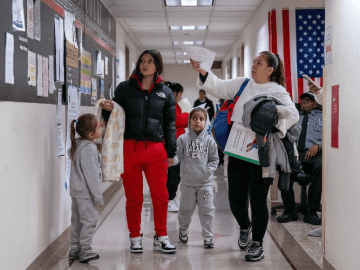
For California families whose cases are already paused, the order does not mean every case automatically starts again. The Trump administration says the judgment does not require that. But immigration lawyers report that the government has been asking courts to return some closed cases to active calendars.
That distinction matters: a case can remain paused today and still face a request to resume proceedings.
What changes for people waiting on an application?
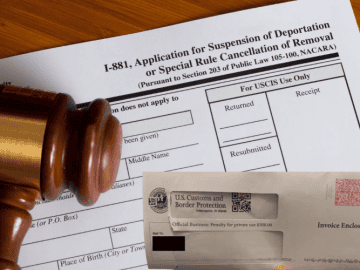
Administrative closure takes a case off an immigration judge’s active calendar without deciding whether the person can stay in the United States. It does not grant legal status or approve a separate application.
It can give someone time to await another decision, such as a U visa for a qualifying crime victim who assists law enforcement. Without that pause, the deportation case and the immigration application can move on different timelines.
The restrictions at issue began months before the Supreme Court’s order. On June 22, Texas challenged the Biden administration’s 2024 rule. That same day, Texas and the Justice Department jointly asked U.S. District Judge Reed O’Connor to enter a judgment against it. He did.
Baltimore, Columbus, New Haven and Oakland-based Centro Legal de la Raza sought permission to join the case and appeal. They argue that the agreement bypassed the public rulemaking process and put people awaiting immigration benefits at risk. The government disputes their legal right to bring the challenge.
Centro Legal’s court filing describes approximately 80 to 100 clients with paused cases, mostly involving unaccompanied children or survivors of violent crime.
The government’s October 22 brief says the judgment applies to new closures and does not require existing cases to return to court. It also points to other ways to seek more time, including postponing a hearing.
Still, the Immigrant Legal Resource Center’s September advisory reports that lawyers around the country have seen the Department of Homeland Security ask to return paused cases to active calendars. The advisory also describes courts applying the judgment broadly, including to requests to end proceedings.
A hearing postponement, called a continuance, remains possible. Getting one is a separate hurdle.
On October 16, the Board of Immigration Appeals removed a presumption favoring continuances for people with pending U-visa petitions that appear to qualify for approval. Judges must weigh whether there is good cause for a delay, and the board said a visa being years away can weigh against granting more time.
That was a separate agency decision, not a Supreme Court ruling. It helps explain why losing access to one kind of pause can matter even when another option remains.
The third-country case asks a different question
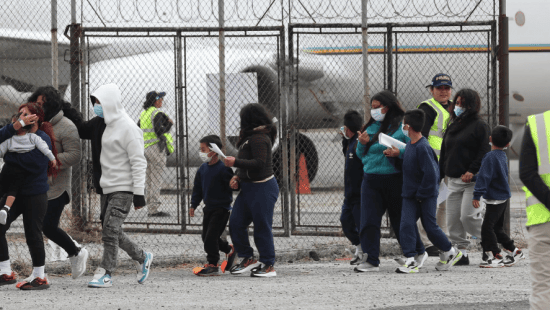
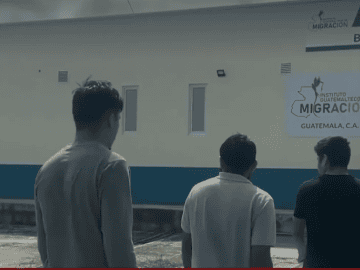
The Supreme Court’s September 29 action concerns people who already have final removal orders and the procedures for sending them to countries not previously designated in their cases. These destinations are known as third countries; people may have no prior ties to them.
Protection against being sent to one country does not necessarily prevent deportation elsewhere.
The administration’s October 23 brief argues that third-country removals allow it to carry out final orders when return to the designated country is unavailable. It describes relying on diplomatic assurances against persecution or torture, or providing notice and a prompt screening when those assurances are absent.
The challengers argue those safeguards are inadequate, saying blanket assurances and short timelines do not give people a meaningful chance to explain the danger they face.
The justices temporarily put the lower-court judgment on hold. Sonia Sotomayor, Elena Kagan and Ketanji Brown Jackson would have denied that request. The court has not finally decided whether the policy is lawful. Arguments are scheduled for December 9.
Practical help: find out where your case stands
Start with the latest court documents. EOIR’s case-status service can help, but the agency says its automated system will not show a new hearing date until one is set. Hearing notices and other court documents are the official source.
Los Angeles County residents can request a legal-services screening through RepresentLA, which lists free, confidential help for low-income immigrants. Ask the program to confirm eligibility and what assistance is available. Parriva’s immigration resources guide also includes family-preparedness information.
Bring your latest notices and orders to a qualified legal representative. The first questions are concrete: Is the case still paused? Has the government asked to put it back on the calendar? Is there already a final removal order?
Those answers help determine which court action affects your case and what needs attention next.