The painful rash isn’t always the first warning. Here’s what to watch for, when to seek care and why vaccination matters — especially for Latino adults.
For many people, shingles seems to begin with the rash.
But sometimes the warning comes first.
A few days before the familiar red patches and blisters appear, a person may feel burning, tingling, itching or sharp pain in one area of the body. The sensation often follows the path of a nerve and usually stays on one side.
That can make shingles easy to mistake for something else.
And waiting for the blisters to appear may mean waiting longer to recognize what is happening.
Shingles is caused by the reactivation of the varicella-zoster virus, the same virus that causes chickenpox. After chickenpox, the virus remains dormant in the body’s nerve tissue and can reactivate years later.
The first symptoms can include:
- Burning or tingling
- Itching
- Sharp or shooting pain
- Unusual sensitivity to touch
- Headache or feeling unwell
Then the rash typically develops in one or two adjacent areas supplied by a nerve. It usually does not cross the body’s midline and can develop into clusters of fluid-filled blisters. The rash generally heals within two to four weeks.
That pattern, pain first, rash later, is one reason recognizing the early warning signs matters.
A March 2026 AARP report similarly highlighted that shingles pain can begin days before the rash and that this can lead people to delay seeking care.
Its most common complication is postherpetic neuralgia, or PHN, a nerve-pain condition that continues after the rash has healed. The CDC estimates that about 10% to 18% of people with shingles develop PHN, with the risk increasing with age. The pain can last for months or even years.
Shingles affecting the face or area around the eye can also cause serious complications, including vision problems.
That’s why a new, unexplained burning or painful area followed by a one-sided rash deserves medical attention rather than simply being dismissed as an irritation.
The good news is that shingles is preventable.
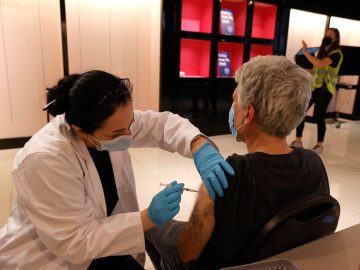
The CDC recommends two doses of Shingrix for adults 50 and older, even if they have had shingles before. The vaccine is also recommended for adults 19 and older who are or will be immunocompromised because of a disease or treatment.
In clinical trials, Shingrix was about 97% effective at preventing shingles among healthy adults ages 50 to 69 and 91% effective among adults 70 and older. It also substantially reduces the risk of PHN.
The vaccine can cause temporary side effects such as a sore arm, fatigue, muscle pain, headache, chills or fever. The CDC says these reactions generally resolve within two to three days.
Why Latino adults should pay attention
The important Latino health story isn’t that Latinos are somehow immune to shingles. Anyone who has had chickenpox can develop it.
The bigger concern is prevention.
Recent national data show a continuing racial and ethnic gap in shingles vaccination. Research has consistently found lower vaccination among Hispanic adults, and more recent national analyses continue to identify lower coverage among Hispanic adults.
That makes the conversation about prevention especially important for Latino families.
Parriva has written several articles on how vaccination can prevent serious disease, including our coverage of the growing evidence around HPV vaccination and cancer prevention for Latina families. The lesson is similar: prevention only works when people know it exists and can actually access it.
What to do if you think it could be shingles
If you develop unexplained burning, tingling or significant pain followed by a one-sided rash or blisters, contact a healthcare professional promptly.
Don’t wait simply because the rash seems small.
And if the rash or pain appears around an eye or on the face, seek medical attention promptly because shingles in that area can threaten vision.
For adults 50 and older who haven’t received Shingrix, the CDC recommends talking with a healthcare provider or pharmacist about getting the two-dose series.
The warning may come before the blisters
Shingles can be painful enough to disrupt everyday life. But one of the most useful things to know is also one of the simplest:
The rash may not be the first sign.
If unexplained burning, tingling or nerve-like pain appears in one area of your body, pay attention — especially if a one-sided rash follows.
Recognizing what is happening sooner can help you get the care you need, while vaccination offers a powerful way to prevent shingles and its most painful complications.