The logic suggests Becerra is heading toward a possible overwhelming win, but questions remain: Will former Democratic candidates and party leaders rally behind him? And what about Villaraigosa?
Xavier Becerra has become the Democratic nominee for governor of California and will face Republican Steve Hilton, who was backed by President Donald Trump ahead of the race.
After a shaky start, Becerra steadily built support. Despite criticism of his performance in the federal government, he secured the financial backing needed to solidify his campaign. Today, he leads in the polls and, if he wins, would become the first Latino in modern times (after 150 years) to govern California, a state that is approximately 40 percent Latino.
“Guess what? The underdog stayed in the fight,” Becerra said at an election night rally Tuesday in Los Angeles, calling his near victory “the everyday miracle of living in a state that regularly makes the improbable seem inevitable.”
The key issue for his campaign will be Democratic cohesion and the support he receives from former rivals and state party leadership.
California Democrats outnumber Republicans by nearly two to one. Although Hilton argues he offers a different direction for the state, Republicans have consistently had a candidate in the general election for governor over the past two decades, and with the exception of Arnold Schwarzenegger’s tenure, Democrats have won all of them.
The Democratic vote currently far exceeds the Republican vote, with 5,101,904 to 3,012,417 (still incomplete figures). A margin of nearly two million votes could give Becerra a comfortable victory.
Many have already spoken out in support of him.
Katie Porter, after losing in the primary, endorsed Becerra and called for Democrats to unite behind him. Gavin Newsom endorsed him after the primary. Kamala Harris also endorsed Becerra, praising his experience and leadership. Tom Steyer endorsed him after failing to advance to the general election, among many others.
Steyer conceded in a statement Tuesday evening and endorsed Becerra for the November election. He said he was proud to have made “enemies” of the state’s utilities, tech companies, and Big Oil, and said he did not blame Californians who “just couldn’t stomach voting for a billionaire.”
“It is absolutely essential that Trump’s handpicked candidate does not hold the keys to California,” he said, referring to Hilton.
Notably absent has been Antonio Villaraigosa, who sharply criticized Becerra during the campaign and urged him to drop out. He accused Becerra of having no viable path to victory and lacking a clear governing platform. The final results contradicted that view: Becerra won, while Villaraigosa finished near the bottom of the field. Is it time for Villaraigosa to join the campaign, especially considering his influence within the Latino community?
Time will tell.
The son of Mexican immigrants who grew up in Sacramento, Becerra began his political career in the 1990s, winning a Los Angeles area state legislative seat as a young lawyer before being elected to Congress two years later. He served there for 24 years until he was appointed California attorney general in 2017 during the first Trump administration. He later served as Secretary of Health and Human Services in the Biden administration.
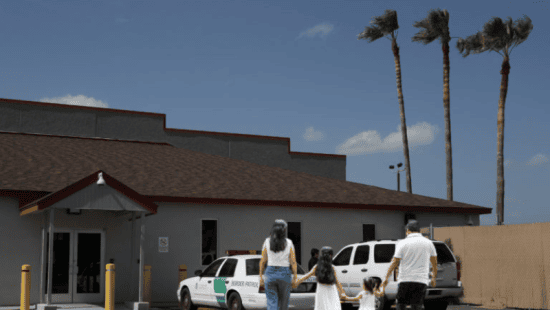
During the primary campaign, he faced criticism over his federal tenure. Some Democratic leaders revived concerns about his handling of the pandemic, while opponents pointed to his agency’s vetting of shelters for migrant children, some of whom were later found to have been placed in jobs considered dangerous or exploitative.