ICE removals are rising rapidly under President Trump, but the numbers tell a more nuanced story than political rhetoric suggests.
Immigration enforcement has returned to the center of national debate as deportation numbers under President Donald Trump continue climbing in 2026. Political leaders on both sides have made competing claims about whether the current administration is carrying out deportations at historic levels.
The available federal data shows a more complicated picture.
ICE removals are increasing quickly and are on pace to approach or even exceed some annual totals recorded during the Obama administration. However, today’s enforcement strategy, the size of the undocumented population, and the location of arrests differ significantly from those earlier years.
For California, which is home to the nation’s largest immigrant population, those differences matter because they shape who is most likely to be affected and how communities experience immigration enforcement.
What do the latest ICE numbers show?
According to the latest detention statistics released by U.S. Immigration and Customs Enforcement (ICE), the agency has carried out more than 356,000 removals during Fiscal Year 2026 through July 20, averaging roughly 1,260 removals per day.
If that pace continues through the end of the fiscal year, annual removals could approach or surpass 438,421 removals recorded in Fiscal Year 2013, one of the highest annual totals during the Obama administration.
The figures also show sustained increases in arrests during recent months. ICE reported more than 43,000 administrative arrests during June 2026, reflecting one of the busiest months for interior enforcement in years.
However, these numbers still remain well below the Trump administration’s stated goal of reaching approximately 1 million deportations annually.
Why comparing Trump and Obama isn’t as simple as it sounds
Raw deportation totals tell only part of the story.
Immigration researchers caution that comparing administrations requires understanding how those removals occurred.
During much of the Obama administration, especially between 2009 and 2014, a large share of removals resulted from people apprehended shortly after crossing the U.S.-Mexico border.
Border enforcement generated very large numbers because many migrants were processed quickly after apprehension.
Today’s enforcement pattern looks different.
Instead of relying primarily on recent border apprehensions, ICE has increasingly focused on:
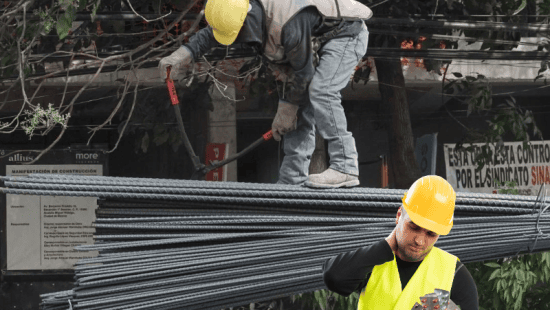
- Workplace enforcement operations
- Arrests inside U.S. cities
- Individuals already living in American communities
- Expanded detention before removal proceedings
As a result, today’s removal statistics represent a larger share of interior enforcement than many of the Obama-era totals.
That distinction is important because interior enforcement often affects families, workers, long-term residents and employers rather than newly arrived migrants.
The undocumented population has changed
Another reason the comparison is more complex involves population size.
Researchers note that the undocumented population living in the United States today is substantially larger than it was during Obama’s highest removal years.
That means similar absolute deportation numbers represent a smaller percentage of the overall undocumented population than they did a decade ago.
For example:
 Immigration experts therefore caution against describing the two periods as directly comparable without considering these structural differences.
California communities could feel the greatest impact
California has the country’s largest immigrant population and one of the highest numbers of mixed-status households.
According to the Public Policy Institute of California, millions of Californians are either immigrants themselves or live with family members who are.
That means changes in ICE enforcement can affect:
- Agricultural workers
- Construction employees
- Restaurant and hospitality workers
- Small business owners
- Parents with U.S.-citizen children
- Long-term residents with pending immigration cases
Los Angeles County has historically been one of ICE’s busiest operational regions because of its large immigrant population and major employment sectors.
Recent enforcement activity has included more workplace investigations and targeted operations than were common during some earlier administrations.
What immigration officials are saying
The Department of Homeland Security has argued that expanded enforcement is intended to restore immigration laws and remove individuals who lack legal authorization to remain in the country.
Federal officials have also emphasized that they are prioritizing people with final removal orders, criminal convictions and recent immigration violations, although enforcement actions have increasingly included broader workplace operations and community arrests.
Immigration advocates, meanwhile, argue that expanded interior enforcement creates fear among families, discourages victims from reporting crimes and disrupts local economies.
Those concerns have become particularly visible in California, where many industries rely heavily on immigrant labor.
What immigration researchers say
Immigration policy analysts generally agree on several points:
- Deportation numbers are increasing rapidly in 2026.
- Current removal totals could approach some Obama-era records.
- The composition of those removals differs substantially.
- Interior enforcement now plays a much larger role.
- Absolute numbers alone do not fully describe enforcement intensity.
As a result, experts recommend evaluating immigration enforcement using multiple measures rather than relying only on annual deportation totals.
What this means for Latino families in California
For many Latino families, the practical question is not whether deportation numbers exceed a historical record but whether local enforcement activity is increasing.
Community organizations across California continue encouraging immigrants to:
- Keep copies of important legal documents.
- Develop a family emergency plan.
- Consult licensed immigration attorneys or accredited legal representatives before responding to immigration notices.
- Learn their constitutional rights during encounters with immigration officers.
- Stay informed through trusted legal service providers rather than relying on rumors circulating on social media.
For families with pending immigration applications, legal experts emphasize that each case is unique and should be reviewed individually.
The latest federal data shows immigration removals under President Trump are rising rapidly and could approach some of the highest annual totals recorded during the Obama administration.
At the same time, today’s enforcement landscape differs in important ways.
Obama’s highest deportation years were driven largely by border apprehensions, while Trump’s 2026 numbers rely more heavily on arrests inside U.S. communities and workplaces. In addition, the country’s undocumented population is larger today, meaning similar raw numbers represent a smaller share of the overall population.
Understanding those distinctions helps move beyond political talking points and provides a clearer picture of how immigration enforcement is evolving—and why California communities may experience its effects differently than they did a decade ago.