Rising permit costs, inflation, theft, enforcement pressure, and economic instability are pushing many immigrant vendors across Los Angeles to the brink.
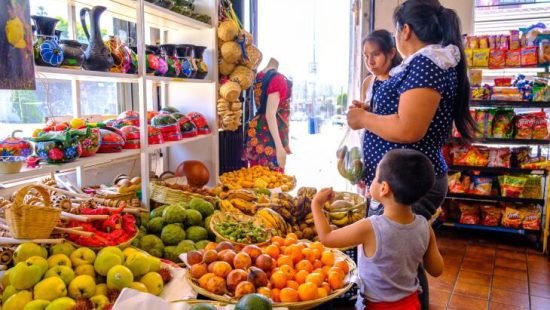
The smell of grilled bacon-wrapped hot dogs still fills the air outside concerts, soccer games, and busy intersections across Los Angeles. Fruit carts still can be seen in neighborhoods from Boyle Heights to South Los Angeles. But behind the familiar scenes of L.A. street food, many vendors say the business that once helped immigrant families survive is becoming almost impossible to sustain.
Street vendors across Los Angeles are facing rising permit costs, aggressive enforcement, inflation, theft, and growing economic uncertainty at the same time. For many Latino and immigrant entrepreneurs, especially undocumented workers, the pressure feels constant.
“We work all day and still barely make enough,” said Maria Hernandez, a fruit vendor near MacArthur Park who has sold cut fruit and aguas frescas for nearly a decade. “Everything costs more now. The fruit costs more. Ice costs more. Gas costs more. But customers also have less money.”
For thousands of working-class Angelenos, street vending is not a side hustle. It is the family economy.
Street vending has long been part of Los Angeles culture and the economic backbone of many immigrant neighborhoods. From taco stands in East Los Angeles to tamale carts in Pico-Union, vendors provide affordable food while creating entry-level business opportunities for families shut out of traditional employment.
California legalized sidewalk vending statewide in 2018 through Senate Bill 946, which limited criminal penalties and pushed cities to create permit systems. Los Angeles later expanded its own sidewalk vending program.
But many vendors say legalization did not eliminate fear. It simply replaced one set of challenges with another.
Today, vendors describe a system filled with expensive permits, confusing rules, health department requirements, and constant worries about citations or equipment confiscation.
Many undocumented vendors also remain hesitant to interact with city agencies, even when operating legally.
Inflation has also hit street vendors particularly hard because profit margins were already thin.
Cooking oil, meat, produce, propane, cups, napkins, carts, and transportation costs have all increased sharply in recent years. Some vendors say they now spend hundreds more each month just to operate.
At the same time, customer spending has slowed in many neighborhoods.
“People still come, but they buy less,” said Jose Ramirez, who sells tacos near a busy corridor in South Los Angeles. “Before, families ordered five or six tacos. Now they order two.”
Many vendors also face growing competition from food trucks, chain restaurants, and delivery apps that dominate online visibility and advertising.
For small sidewalk vendors with no digital marketing budget, visibility often depends entirely on foot traffic.
Despite California’s vending protections, many vendors say enforcement remains one of their biggest fears.
Some vendors report receiving citations related to permits, location restrictions, health regulations, or operating hours. Others worry about interactions involving the LAPD or city enforcement officers.
Advocates say enforcement can feel inconsistent across neighborhoods.
“In some communities vendors are tolerated, and in others they are targeted,” said a community organizer with the Los Angeles Street Vendor Campaign. “Many immigrant vendors still operate with fear every day.”
The fear is especially intense among undocumented workers who worry that any interaction with authorities could create larger risks for their families.
In some cases, vendors say citations can spiral into debt they cannot realistically pay off.
Street vendors also face increasing safety concerns across Los Angeles.
Many operate late at night carrying cash, expensive cooking equipment, and food inventory. Vendors have reported robberies, harassment, verbal abuse, and theft in several parts of the city.
Videos showing vendors being attacked or robbed regularly spread across social media, fueling fear among workers and families.
For women vendors, safety concerns can feel even more severe.
“My husband worries every night,” said one vendor working near downtown Los Angeles. “Sometimes people threaten us. Sometimes they try not to pay. But we still have to work.”
Los Angeles requires sidewalk vendors to navigate permits, health regulations, and compliance requirements that many say are difficult to understand without legal or language assistance.
What Vendors Need for Legal Street Vending in Los Angeles
- Sidewalk vending permit from the City of Los Angeles
- Business tax registration certificate
- County health permit for food sales
- Compliance with location and distance restrictions
- Food safety training in some cases
For immigrant families working long hours, the process can feel overwhelming. You can get help from
LA County’sSidewalk Vending Program
Advocates say language barriers and limited outreach still prevent some vendors from fully understanding the rules.
If You Are a Street Vendor in Los Angeles:
- Keep copies of permits and identification available while working
- Document interactions involving citations or confiscation
- Seek legal assistance before paying large fines
- Connect with local vendor advocacy groups
- Apply for small business grants when available
- Learn your rights regarding inspections and enforcement
Organizations Helping Street Vendors in Los Angeles
Several community organizations continue helping vendors navigate permits, legal aid, and business support.
Helpful Resources
- Los Angeles Economic & Workforce Development Department
- Los Angeles County Department of Public Health
- Inclusive Action for the City
- Public Counsel Los Angeles
- Coalition for Humane Immigrant Rights (CHIRLA)
Many groups help vendors apply for permits, challenge citations, access microloans, and understand legal protections.
The struggle facing street vendors reflects larger economic realities across California.
Housing costs remain high. Grocery prices continue pressuring working families. Many immigrant households are balancing multiple jobs while supporting children and relatives.
Street vending has historically served as one of the few accessible paths into entrepreneurship for undocumented immigrants and low-income workers.
When vendors disappear, neighborhoods lose more than affordable food. Communities lose local culture, family income, and economic opportunity.
In many Los Angeles neighborhoods, vendors are part of daily life. They know customers by name. They serve workers late at night. They help families stretch limited budgets.
That connection is difficult to replace.
Los Angeles officials continue debating enforcement, public safety concerns, and how to balance sidewalk vending with complaints from some businesses and residents.
Advocates are pushing for lower permit costs, stronger protections against equipment confiscation, more multilingual outreach, and safer vending zones.
But for many vendors, the immediate concern is simpler: surviving another month.
“We’re not asking to become rich,” Ramirez said. “We just want to work without fear.”
As economic pressure grows across California, the future of Los Angeles street vending may depend on whether the city views vendors as a problem to control or workers trying to survive.