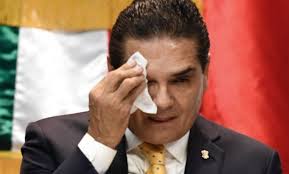
Burnout rarely arrives as a breakdown. More often, it shows up as endurance—working longer, sleeping less, and convincing yourself this is just “the season you’re in.”
Burnout rarely announces itself with collapse. More often, it arrives disguised as endurance—working longer hours, sleeping less, and telling yourself this is just the season you’re in.
For many entrepreneurs, especially those building businesses without inherited capital or financial safety nets, exhaustion becomes normalized. It turns into part of the identity: this is what commitment looks like. The long nights, the constant pressure, the sense that stepping away—even briefly—would be irresponsible.
But burnout is not a character flaw. It is a predictable response to sustained pressure without recovery.
Burnout Doesn’t Look Like Failure
In entrepreneurial culture, burnout is often imagined as quitting, breaking down, or walking away. In reality, it looks far quieter—and far more dangerous.
Burnout often shows up as:
- Constant mental fatigue
- Difficulty making decisions
- Emotional numbness
- Irritability with clients or family
- A persistent sense that nothing you do is ever enough
You keep showing up. The business keeps running. From the outside, everything looks fine.
That’s precisely what makes burnout so hard to recognize—and so costly when ignored.
Why Entrepreneurs Are Especially Vulnerable
Entrepreneurs operate in an environment where there is no clear off-switch. Income is directly tied to performance. Responsibility doesn’t end at 5 p.m., and personal identity often becomes inseparable from the business itself.
For many Latino entrepreneurs in the United States, these pressures are compounded by additional realities:
- Being the primary or sole income source for a household
- Supporting family locally or across borders
- Navigating unfamiliar financial, legal, and regulatory systems
- Carrying cultural expectations of stability, sacrifice, and success
In this context, burnout isn’t about ambition gone wrong. It’s about chronic overload.
The Myth of “Pushing Through”
One of the most damaging ideas in entrepreneurship is that rest is something you earn after success.
In practice, “pushing through” usually means:
- Ignoring early warning signs
- Replacing recovery with caffeine or adrenaline
- Treating exhaustion as discipline
Over time, this erodes not just mental health, but business performance itself. Research consistently shows burnout reduces cognitive flexibility, problem-solving ability, and emotional regulation—the very skills entrepreneurs depend on to adapt, negotiate, and lead.
Silent Exhaustion and Emotional Suppression
Burnout is rarely loud. It’s quiet.
It’s answering emails late at night because stopping feels risky.
It’s feeling guilty for resting.
It’s convincing yourself that slowing down would let people down.
Many entrepreneurs were taught—explicitly or implicitly—that emotions should be controlled, minimized, or postponed. But suppressed emotions don’t disappear. They resurface as anxiety, irritability, detachment, or chronic stress.
Burnout is often the body enforcing boundaries the mind ignored.
Burnout Is a Systems Issue, Not a Personal Failure
Framing burnout as an individual weakness misses the point.
Entrepreneurship often lacks:
- Predictable income
- Built-in recovery time
- Emotional support structures
Without intentional counterbalances, burnout becomes likely—not exceptional.
Recognizing this shifts the question from “What’s wrong with me?” to “What systems do I need to stay sustainable?”
That reframing matters. It replaces shame with strategy.
Early Signs Worth Taking Seriously
Burnout doesn’t begin at the breaking point. Early indicators often include:
- A constant sense of urgency, even when nothing is urgent
- Loss of satisfaction from small wins
- Avoidance of decisions
- Feeling emotionally flat or detached
These are not signals to work harder. They are signals to adjust.
Sustainability Is a Business Strategy
Sustainable entrepreneurs don’t rely on willpower alone. They:
- Build rest into decision-making
- Separate self-worth from short-term outcomes
- Treat recovery as maintenance, not a reward
This isn’t about doing less. It’s about staying capable.
Because a business cannot outgrow the nervous system of the person running it.
Burnout doesn’t mean you chose the wrong path.
It means the path needs redesigning.
Emotional Intelligence: The Skill That Quietly Determines Entrepreneurial Success