

 Parriva's Team
New public health data highlights why the Latino youth suicide crisis is shaping California policy debates, community health strategies, and prevention investments.
Across California, a troubling pattern is emerging in youth mental health data: Latino adolescents represent a growing share of suicide-related crises, even as overall suicide death rates remain lower than some other groups. Public health leaders say the numbers demand attention—not only because of risk, but because of scale.
Data compiled by the California Department of Public Health and the Los Angeles County Department of Public Health shows that Latino youth account for a significant portion of suicide deaths simply due to population size. In Los Angeles County, Latino youth represent roughly half of all youth suicide deaths, a figure local officials say underscores the need for culturally informed prevention strategies.
At the same time, another disparity stands out: boys and young men are far more likely to die by suicide. Health researchers consistently find that Latino males die by suicide at rates more than four times higher than Latina females, mirroring national gender trends but intensified by social pressures unique to many Latino households.
Researchers cited by the National Institutes of Health note that Latino teens often report higher levels of persistent sadness and suicide attempts compared with their White peers. Yet warning signs are frequently missed. Studies show minority youth—particularly boys—are less likely to have suicidal thoughts detected by clinicians or educators before a crisis.
Mental health experts also point to layered stressors affecting many Latino families: economic instability following the pandemic, immigration-related anxiety in mixed-status households, and persistent stigma around mental health care. Cultural expectations around masculinity can discourage vulnerability, leaving many young men isolated during critical developmental years.
“Loneliness and untreated depression among young males are becoming a major public health issue,” reported education outlet EdSource in its coverage of new policy efforts addressing the trend.
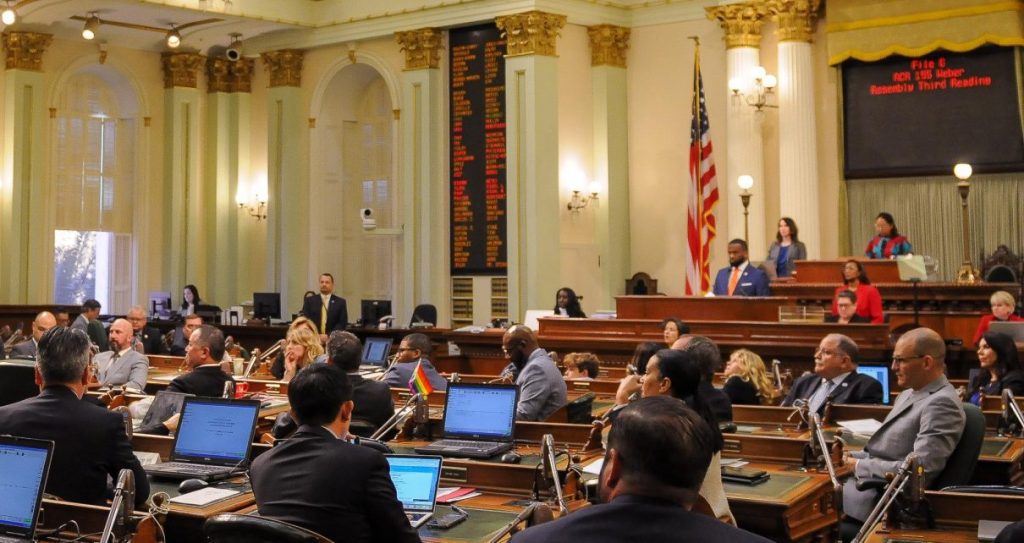
One of those efforts is a newly introduced proposal from California Assemblymember Avelino Valencia. The bill, AB 1956, would direct the California Office of Suicide Prevention to more directly focus research, outreach, and prevention strategies on boys and young men—who account for roughly four out of five youth suicide deaths statewide.
If approved, the measure would expand the state’s list of priority populations for suicide prevention and require a report to lawmakers outlining evidence-based strategies tailored to male youth by 2028.
Public health advocates say legislation alone will not solve the crisis, but it signals a shift: acknowledging that prevention must be culturally responsive and gender-specific. For Latino communities—where young people often balance family expectations, economic pressures, and identity formation—the stakes are particularly high.
Experts emphasize that early detection in schools, bilingual mental health services, and community-based outreach remain among the most effective ways to prevent youth suicide before warning signs escalate.

Senator Susan Rubio’s Mental Health Education Bill Blocked-Join in Urging Law Makers to Pass SB531




Latino Youth Mental Health Crisis Demands Focus on Boys and Young Men
SB 961 Explained: A Simple Fix That Could Help Thousands of California College Students Access CalFresh
IMMIGRATION
‘Güeras Aliadas’: Two Women Helping Track Migrants Lost in ICE Detention
POLITICS
Forum Highlights the Need for Students and the Community to Hear from CD1 Candidates
CalFresh Cuts Hit Some Noncitizens Starting Today
Erasing Cesar Chavez Day? Meet Farmworkers Day
He’s Not Playing the Game—He’s Changing It: Just Being Himself