

 Parriva's Team
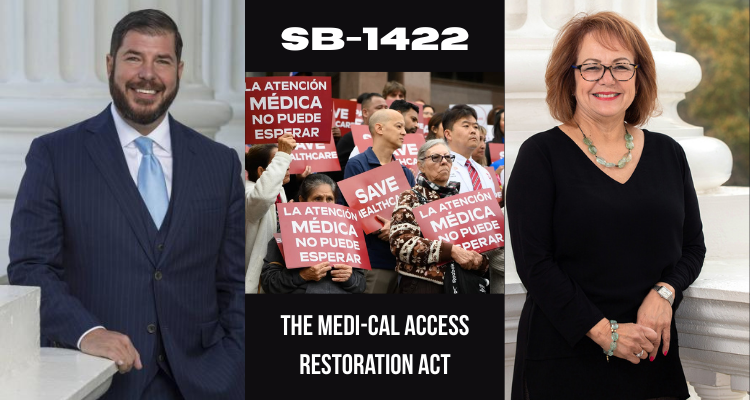
New Medi-Cal rules in California that freeze enrollment for undocumented adults and add premiums could leave thousands uninsured, burden emergency services, and weaken community health.
How California’s Medi-Cal Changes Are Shaping a Health Coverage Crisis
California’s policy shift on Medi-Cal enrollment for undocumented residents is poised to reshape health care access for immigrant families — and state lawmakers are pushing back. On January 1, 2026, the state froze new enrollment in full-scope Medi-Cal for adults without so-called “satisfactory immigration status,” including many undocumented residents aged 19 and older, as part of budget adjustments aimed at reducing a multibillion-dollar deficit. Existing enrollees can keep coverage if they maintain timely renewals, but new applicants will be shut out — and future premiums are set to begin in 2027.
In response, Senator María Elena Durazo and Assemblymember Joaquin Arambula introduced Senate Bill 1422, the Medi-Cal Access Restoration Act, a proposal to reopen eligibility for undocumented adults beginning January 1, 2027. The bill reflects growing concerns that the current freeze will widen gaps in care and reverse recent progress toward health equity for immigrant communities.
Surge in Uninsured and Health Equity Setbacks
Public health advocates warn that the combined freeze and premium requirements — including a planned $30 per month charge for state-only coverage by mid-2027 — could push more than a million additional Californians into the ranks of the uninsured. Analysts at Health Access California note that if individuals lose coverage due to procedural issues like late renewals, they may never regain full benefits under the freeze policy.
Critics argue this is not just a numbers problem: it is a reversal of hard-won gains in reducing health disparities. Undocumented adults in California have historically faced barriers to care, and safety-net expansions helped many access preventive services, chronic disease care, and routine checkups. With full-scope benefits shrinking — including the planned elimination of adult dental care — advocates say health outcomes will worsen, especially for Latinx communities that comprise a large share of the affected population.
Economic and Health System Consequences
Supporters of the rollback contend budget pressures necessitate tough choices. But health policy experts caution the long-term cost of cutting coverage may outweigh short-term savings. Preventive care reductions often drive patients into emergency departments, where costs are higher and outcomes poorer. Some estimates suggest California may incur higher downstream costs in emergency care systems as access to primary care declines. Analysts also highlight the economic contributions of undocumented Californians — including billions in state and local taxes — and warn that restricting coverage could destabilize workforces in sectors like agriculture and hospitality.
Restoration Proposal and Lawmakers’ Argument
The Medi-Cal Access Restoration Act is framed by its authors as a corrective step to protect public health and avoid widening disparities. Lawmakers emphasize that health coverage is not just a budget line item but a foundation for community well-being and economic stability. Early childhood, chronic care, and maternal health advocates have expressed support, noting that keeping families healthy helps reduce long-term public costs and supports workforce resilience.
Looking Ahead
The unfolding policy debate underscores the tension between fiscal constraints and equitable health access. For California — a state that once led the nation in expanding Medi-Cal to all low-income residents regardless of immigration status — this moment represents both a challenge to health equity and a test of lawmakers’ commitment to inclusive public health. Negotiations in the Legislature this year will shape whether access is restored, limited, or constrained further in the years to come
Protect Maternity Care in Los Angeles County Before More Families Are Put at Risk
Latino Youth Mental Health Crisis Demands Focus on Boys and Young Men
SB 961 Explained: A Simple Fix That Could Help Thousands of California College Students Access CalFresh
IMMIGRATION
Los Angeles Growth Is Stalling as Immigration Slows and Residents Move Out
POLITICS
L.A. Business Elites Back Bass—But Is Nithya Raman Too Progressive for Them?
Days Away from a Strike: Failed Talks, Questioned Preparations, and Even Spotify Playlists Signal What’s Ahead
LA Councilmember Warns LA28: ‘Don’t Let Bankruptcy Define the Games’
A Wide-Open Race: 40% of LA Voters Still Haven’t Chosen a Mayor