California residents with serious medical conditions may have an easier path to an exemption from new Medicaid work requirements. But the January 2027 changes are still coming.
For someone undergoing cancer treatment or managing a serious chronic illness, keeping Medi-Cal coverage could soon mean answering new questions about their health.
A federal court ruling has removed one of those potential obstacles.
On October 29, a federal judge struck down a Trump administration requirement that would have forced certain Medicaid patients with serious medical conditions to prove their illness also interfered with their ability to work, study or volunteer.
California was among the states challenging the rule.
The decision protects an important exemption for people considered medically frail or having special medical needs. But it does not cancel the broader Medicaid work requirements scheduled to begin January 1, 2027.
For Medi-Cal members, the question now is who qualifies for protection and what they may need to do to keep their coverage.
What did the judge change?
Under a federal law enacted in 2025, certain adults receiving Medicaid, called Medi-Cal in California, must meet new work or community engagement requirements to maintain coverage.
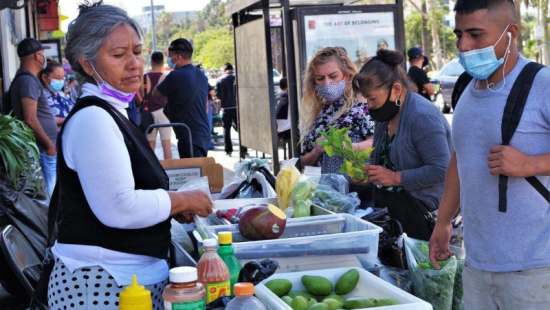
Affected adults generally must complete 80 hours per month of qualifying activities, such as work, volunteering or job training, or meet an education requirement.
Congress included exemptions for people with serious medical conditions and certain disabilities.
But the Centers for Medicare & Medicaid Services (CMS) added another test. Patients would have to show not only that they had a qualifying condition, but also that it significantly impaired their ability to meet the work requirement.
U.S. District Judge Richard Stearns ruled that the agency had gone beyond what Congress authorized.
In his October 29 decision, the judge warned that the added requirement could cause “eligible vulnerable individuals relying on Medicaid” to lose coverage.
The ruling removes that additional test nationwide.
In practical terms, someone with a qualifying serious medical condition should not also have to prove that the illness prevents them from meeting work requirements.
Who qualifies for a medical exemption?
Federal law identifies several protected categories, including people with:
- Blindness or disability under applicable federal definitions.
- Substance use disorders.
- Disabling mental health conditions.
- Physical, intellectual or developmental disabilities that significantly limit everyday activities.
- Serious or complex medical conditions.
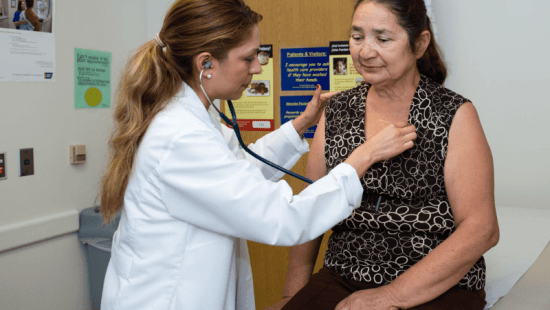
Consider someone receiving treatment for cancer. Their condition may qualify under the serious or complex medical category without an additional assessment of whether they can work.
However, a diagnosis does not necessarily mean an exemption will be recognized automatically. Eligibility and verification still matter.
The distinction is particularly important for patients receiving ongoing treatment. As Parriva previously reported, changes in Medicaid eligibility and renewal procedures can create uncertainty for people who depend on continuous care.
The court also left other federal verification provisions intact. States may accept a person’s own statement about medical frailty during 2027, but stricter limitations on self-attestation begin in 2028.
What happens in California in January?
California’s Department of Health Care Services (DHCS) acknowledged the ruling on November 2 and said it was reviewing the court order and injunction.
The work requirements remain scheduled to begin January 1, 2027, for certain adults ages 19 through 64. They do not apply to every Medi-Cal member.
For many existing members, California plans to assess compliance during scheduled eligibility renewals rather than requiring everyone to submit work information on New Year’s Day.
The court also granted the states involved in the lawsuit six months of protection from federal enforcement concerning medical-frailty determinations, giving them time to adjust their verification systems.
That protection does not postpone the federal law’s January 1 implementation date.
California is already preparing for several other coverage changes. Parriva’s guide to Medi-Cal changes in 2027 explains the separate timelines affecting eligibility, health plans and services.
What Medi-Cal members should do now
The ruling does not require patients to stop working, submit a new application immediately or assume their coverage is ending.
But people who may qualify for an exemption should prepare for upcoming notices.
Five practical steps can help:
- Check your Medi-Cal notices. Look for information about work requirements, exemptions and renewal deadlines.
- Update your contact information. Make sure your county Medi-Cal office has your current address and telephone number.
- Ask about exemptions. If you have a serious medical condition, ask your county eligibility worker whether you qualify and what verification may be needed.
- Keep medical information accessible. Your doctor or clinic may be able to provide records if requested.
- Respond before deadlines. If you receive a request you do not understand, contact your county office rather than ignoring it.
California’s official Medi-Cal Changes page provides information about the upcoming requirements. Members can also use the state’s Medi-Cal Help Center to find assistance.
What remains uncertain?
The court has removed one legal obstacle, but California still must determine how to apply the ruling through its eligibility systems and county offices.
DHCS has not yet detailed how medical-exemption verification procedures will change following the decision.
That leaves an important question for patients: Will the exemption be recognized using information the state already has, or will they need to provide additional documentation?
For people managing serious illnesses, the answer could determine whether keeping health coverage becomes a routine renewal or another complicated process.
The ruling makes the medical exemption easier to qualify for under federal law. The next test is whether California can make that protection work for the people who need it.