Supporters from several countries face visa barriers, travel restrictions, or entry bans as the United States hosts the FIFA World Cup and prepares for the 2028 Los Angeles Olympics.
The 2026 FIFA World Cup has begun on American soil, marking the first time in 32 years that the United States has hosted the tournament. Once it concludes, the country will turn its attention to preparing for the 2028 Summer Olympics in Los Angeles. In exchange for the privilege of hosting the world’s two largest sporting events and the enormous economic benefits they generate, a host nation should make every effort to facilitate international attendance, easing visa policies to the fullest extent consistent with legitimate security concerns.
Instead, many visitors have felt unwelcome.
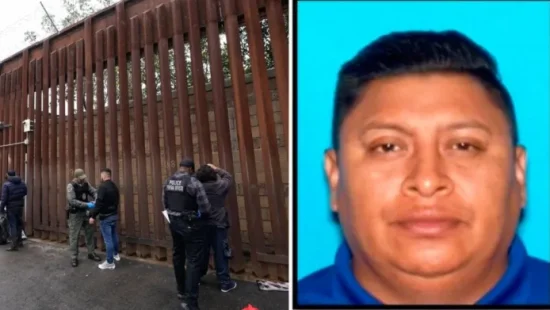
Uruguay’s arrival at the 2026 World Cup came with an unexpected detour. Sniffer dogs inspected the squad’s luggage on the side of a road before a ball had even been kicked.
It was not the first time tournament visitors encountered America’s hard line border policies. Iraq striker Aymen Hussein was reportedly held for nearly seven hours at Chicago O’Hare International Airport, while a team photographer traveling with the squad was denied entry altogether.
Strict security procedures at major sporting events are nothing new. However, the image of a national team being searched on a public roadside has generated criticism, and many supporters believe there is a clear pattern in who continues to face heightened scrutiny.
Iran has been unable to hold its training camp in Los Angeles despite the city hosting its matches. The team has also been prohibited from staying overnight on American soil.
Previous World Cup host nations took a markedly different approach. South Africa created a dedicated event visa in 2010 and waived standard fees for ticket holders. Brazil established a special fee waived visa category tied directly to match tickets in 2014. Russia eliminated visa requirements for Fan ID holders in 2018. Most recently, Qatar introduced a universal entry permit for all supporters and further relaxed entry requirements during the tournament itself.
By contrast, the United States has implemented the broadest nationality based entry restrictions since the Chinese Exclusion Act.
Nationals from 39 countries currently face U.S. entry ranging restrictions from partial limitations to outright bans. Four of those countries qualified for the World Cup. Haiti and Iran are subject to complete entry bans, while Ivory Coast and Senegal face partial restrictions. Although players are exempt from the presidential proclamation, supporters have no viable pathway to obtain tourist visas to attend matches. Family members may be unable to watch their relatives compete on football’s biggest stage, and local journalists cannot secure visas to cover the tournament from within the United States.
At the same time, the United States introduced a system known as FIFA PASS, which allows World Cup ticket holders to receive priority scheduling for consular interviews. As a result, while some nationalities remain entirely excluded, others benefit from expedited access unavailable to the general public. This reflects a broader pattern in the administration’s approach. Those who are excluded receive nothing, while those who remain eligible are offered preferential treatment.
One might ask how such restrictions are legally possible. The primary legal authority is Section 212(f) of the Immigration and Nationality Act, a provision historically used sparingly and for narrowly defined purposes. Prior to Donald Trump, presidents generally invoked it to target specific conduct rather than entire national populations. Examples include restrictions on Haitians intercepted at sea under Ronald Reagan, maritime interdiction measures continued under George W. Bush, sanctions on senior Haitian officials associated with the 1991 coup under Bill Clinton, and restrictions on individuals responsible for serious human rights abuses in Iran and Syria under Barack Obama.
Although nationality based exclusions have historical precedent, the current restrictions increasingly resemble instruments of punishment rather than narrowly tailored security measures. Their justification often rests on elevated visa overstay rates or inadequate governmental cooperation, effectively penalizing individuals for the actions of others.
This year’s World Cup will reflect those policies through reduced international participation and diminished diversity among supporters. The consequences extend beyond attendance figures. President Trump has also swept the Iranian national team from remaining overnight in the United States, requiring players to stay in Tijuana and cross the border only for training and competition. In a tournament intended to bring the world together, America’s immigration policies have instead drawn new lines of exclusion.