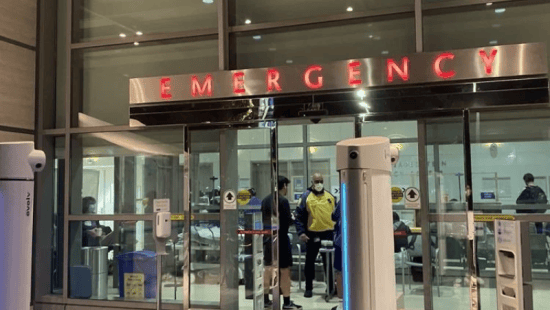
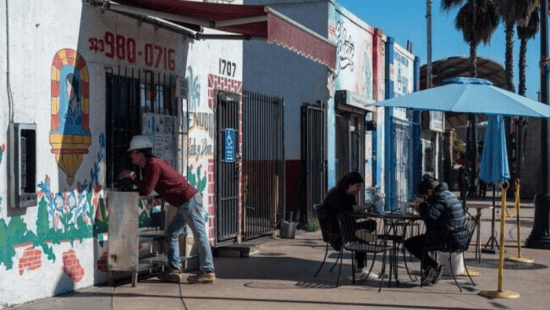
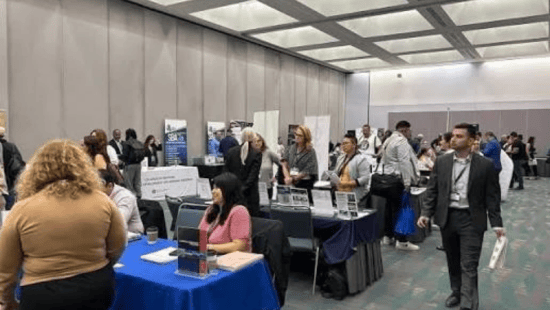
The candidates running for California Senate District 26 are competing over how to protect immigrant healthcare access, build affordable housing, and manage growing budget pressure in Los Angeles communities.
The race to replace María Elena Durazo is becoming one of the most consequential local political battles in Los Angeles.
The next senator representing California’s 26th Senate District will inherit urgent fights over immigrant healthcare access, affordable housing, homelessness, environmental justice, and state budget cuts that could directly affect working-class communities across East Los Angeles.
For residents in Boyle Heights, Pico-Union, Koreatown, El Sereno, Lincoln Heights, Chinatown, and surrounding neighborhoods, the stakes are high and practicle.
The outcome could influence whether families keep access to Medi-Cal programs, whether affordable housing projects move forward, and how aggressively California pushes back against federal immigration policies.
The district itself reflects many of California’s biggest pressures at once: rising rents, overcrowded housing, strained healthcare systems, environmental pollution, and growing anxiety about affordability.
The immediate concern for many residents is economic pressure.
Families across SD 26 are already dealing with:
- Rising rents
- Healthcare affordability concerns
- Homelessness near schools and transit corridors
- Limited affordable housing inventory
- Strained public clinics and mental health systems
Those pressures could intensify if California lawmakers approve additional budget cuts during ongoing state deficit negotiations.
That is why healthcare funding and housing policy have become central issues in the race.
Durazo spent much of her recent legislative efforts defending immigrant Medi-Cal access after Governor Gavin Newsom proposed cost-saving measures tied to California’s budget shortfall.
Those proposals highlighted a broader political reality: even in California, progressive programs become vulnerable when revenues slow and deficits grow.
The power struggle behind the district’s biggest problems
Many of the issues facing SD 26 cannot be solved by one elected official alone.
Immigration enforcement remains largely controlled by the federal government. Healthcare programs rely on both federal and state funding. Housing construction depends on state laws, city zoning approvals, county coordination, infrastructure financing, and private development economics.
That fragmented system often creates frustration for residents who hear campaign promises but see little immediate change.
In plain English, the next senator will need to fight on multiple fronts simultaneously:
- Sacramento budget negotiations
- Federal immigration policy conflicts
- Local housing bottlenecks
- County healthcare funding disputes
- Environmental cleanup battles
The challenge is not just passing legislation. It is forcing multiple government systems to work together.
Wendy Carrillo says affordability is the defining issue
Former Assemblymember Wendy Carrillo has framed the race around affordability and economic survival for working families.
“We have an affordability crisis in California,” Carrillo said while launching her campaign. “People are having a hard time making ends meet, paying for gas or putting food on the table.”
Carrillo argues her legislative experience gives her an advantage in securing state resources during difficult budget cycles.
During her time in the Assembly, she highlighted efforts tied to:
- Tenant protections
- Mental health funding
- Workforce development
- Healthcare access
- Affordable housing investments
She also emphasized securing $50 million connected to redevelopment efforts around the historic Los Angeles County General Hospital campus in Boyle Heights.
Carrillo’s personal story also shapes her campaign message.
An immigrant from El Salvador who once lived undocumented in the United States, she frequently connects economic insecurity and immigration policy to lived experience in East Los Angeles communities. Read parriva’s interview with Wendy Carrillo here.
Sara Hernandez focuses on structural housing and education reform
Sara Hernandez is positioning herself as a policy-focused housing and education candidate with deep roots in community systems.
Before entering politics, Hernandez worked as an LAUSD middle school teacher and founded a nonprofit supporting low-income students navigating homelessness, foster care instability, immigration barriers, and college access challenges.
That experience heavily shapes her policy approach.
Rather than emphasizing only emergency responses, Hernandez argues California must invest earlier in housing stability, community nonprofits, and long-term infrastructure planning.
Her campaign has focused heavily on:
- Affordable housing production
- Transit-oriented development
- Land-use reform
- Early intervention social services
- Preventative community investment
Supporters argue her housing law background could help navigate one of the district’s biggest unresolved problems: how to build affordable housing faster in older neighborhoods where infrastructure upgrades remain extremely expensive. You can read Parriva’s interview with Sara Hernandez here.
Other candidates are emphasizing immigration and environmental justice
Sarah Rascón
Rascón has leaned heavily into direct community advocacy, immigration response efforts, and environmental planning tied to East Los Angeles pollution concerns.
She has highlighted neighborhood-level organizing and county coordination experience connected to Mayor Karen Bass’s administration. Read Parriva’s interview with Sarah Rascon here.
Juan Camacho
Camacho, president of the Equality California Institute, has framed affordability, healthcare, and environmental justice through a civil-rights lens focused on community-based policymaking and youth investment. Juan Camacho was invited to an interview with Parriva, but we did not hear back from his campaign.
Why housing and healthcare may ultimately decide the race
The district’s biggest policy debates are increasingly economic.
Without stable healthcare funding, county systems could face additional strain.
Without faster affordable housing construction, families may continue leaving neighborhoods they have lived in for generations.
Without stronger infrastructure investment, transit-oriented housing projects may stall despite political promises.
And without stable state revenues, Sacramento lawmakers may continue battling over which programs survive budget tightening.
That means the next SD 26 senator will likely spend less time making symbolic statements and more time negotiating over funding, land use, healthcare allocations, and implementation details that directly shape daily life in East Los Angeles.
The SD 26 race is becoming a broader test of how California Democrats govern during a financially constrained period.
Voters are not just choosing personalities or campaign slogans.
They are deciding which candidate they believe can best navigate the collision between federal immigration pressure, California budget limitations, housing shortages, and rising economic anxiety across working-class Los Angeles communities.
For many residents, the central question is simple:
Who can actually deliver measurable improvements in affordability, healthcare access, housing stability, and neighborhood quality of life during one of California’s most financially difficult periods in years?