Gov. Gavin Newsom’s proposed budget preserves major social programs and education funding, but many Latino households across Los Angeles still face crushing housing costs, healthcare insecurity, and financial pressure.
LOS ANGELES — Gavin Newsom unveiled a sweeping new California budget proposal designed to protect schools, healthcare programs, childcare, and public services while steering the state away from another fiscal crisis.
State leaders say the roughly $322 billion spending plan avoids deeper cuts after stronger-than-expected tax revenues helped stabilize California’s finances. The proposal preserves many of the programs millions of residents rely on every day.
But for many Latino families across California, especially in Los Angeles County, the budget raises a harder question that goes beyond Sacramento politics:
Why are so many working families still struggling to afford housing, healthcare, transportation, and daily life after years of record state spending?
The answer reveals both the strengths and the limitations of California’s economic model.
Latinos are now deeply embedded in nearly every part of the state economy. They make up a major share of California’s workforce, public school enrollment, small-business sector, and healthcare system. Yet Latino households remain disproportionately vulnerable to rising rents, inflation, wage pressure, and economic instability.
The new budget may stabilize critical systems. What it does not fully solve are the deeper structural inequalities shaping life for millions of Hispanic Californians.
Schools Could Be One of the Biggest Winners
Education remains one of the largest priorities in the budget.
California plans to continue major investments in TK-12 schools, literacy programs, math recovery initiatives, community schools, after-school programs, and special education services. Much of the funding is aimed at helping students recover from pandemic learning disruptions that continue affecting classrooms years later.
That matters enormously for Latino communities.
Latino students represent one of the largest demographic groups in California public schools, particularly across Los Angeles County. Many districts serving working-class neighborhoods continue reporting academic recovery challenges tied to COVID-era disruptions, absenteeism, housing instability, and mental health pressures.
For many Latino households, schools function as far more than educational institutions. They are also childcare systems, nutrition providers, mental health access points, and community support hubs.
Expanded funding for literacy and math intervention programs could particularly benefit schools where students experienced severe pandemic learning loss.
Still, education advocates warn that money alone cannot erase widening inequality tied to poverty, overcrowded housing, and economic stress at home.
Medi-Cal Remains Essential for Latino Families
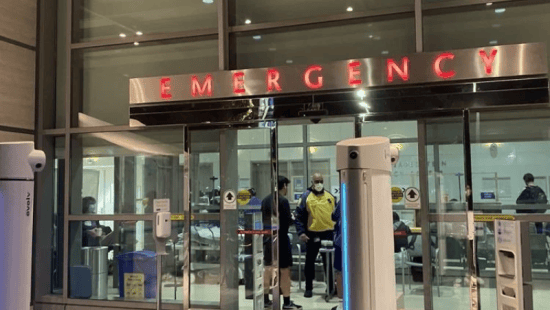
The budget also continues California’s aggressive support for Medi-Cal, the state’s public healthcare system that now covers roughly one-third of California residents.
That has enormous implications for Latino communities.
Latinos are more likely to work jobs without employer-sponsored health insurance, rely on community clinics, live in multigenerational households, and depend on public healthcare programs to avoid financial catastrophe during illness.
California is also attempting to soften the impact of potential federal healthcare subsidy reductions that could increase costs for many residents.
But healthcare spending has become one of the most politically sensitive areas of the state budget.
Medi-Cal costs continue rising because of healthcare inflation, expanded enrollment, aging populations, and broader coverage obligations. That pressure is already fueling growing political debate inside Sacramento over long-term sustainability.
Recent fights surrounding healthcare access for undocumented immigrants revealed how quickly these protections can become politically vulnerable during budget slowdowns.
For many immigrant and mixed-status Latino households, the concern is not only whether healthcare exists today. It is whether families can trust those programs will remain stable in future economic downturns.
That uncertainty alone can discourage preventive care, prescription use, and early medical treatment.
Housing Remains California’s Biggest Failure
If there is one issue that continues overshadowing nearly every other part of California’s economy, it is housing.
Despite years of spending on homelessness programs and affordable housing initiatives, the state continues facing a severe housing shortage that disproportionately affects Latino renters and working-class communities.
The new budget includes proposals aimed at reducing development barriers and lowering some construction costs. State leaders argue those reforms could help accelerate housing production.
But many housing experts say the scale still falls far short of what California actually needs.
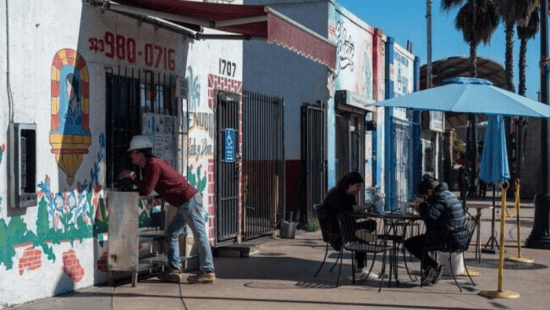
In Los Angeles and much of Southern California, Latino renters continue facing some of the highest housing burdens in the country. Overcrowded living conditions remain common. Homeownership continues drifting further out of reach for younger families.
For many households, rent consumes such a large share of income that saving money, building wealth, or planning long term becomes nearly impossible.
Housing instability also shapes nearly every other inequality California is trying to solve, including:
- educational outcomes
- mental health
- transportation access
- family stability
- healthcare access
- long-term financial mobility
The state budget attempts to manage the crisis. It does not fundamentally solve the housing shortage driving affordability problems in the first place.
Latino Workers Continue Carrying California’s Economy
Latino workers remain central to industries that keep California functioning, including construction, warehousing, agriculture, healthcare support, hospitality, transportation, caregiving, and food service.
Yet many working-class families continue experiencing financial strain despite relatively low unemployment rates.
The budget offers little direct relief for some of the costs hitting households hardest right now:
- rising utility bills
- auto insurance increases
- food inflation
- transportation costs
- stagnant wage growth relative to housing prices
For many Latino families, economic insecurity no longer comes primarily from unemployment.
It comes from working full time and still struggling to afford life in California.
That disconnect has become one of the defining realities of the state economy.
California continues generating extraordinary wealth through technology, finance, entertainment, and high-income industries. But much of that wealth remains concentrated while many essential workers face rising costs faster than wages.
Small Businesses May Get Some Relief
The proposal includes reductions in certain LLC fees and tax burdens designed to support entrepreneurs and small businesses.
That could modestly benefit Latino-owned businesses, which remain one of the fastest-growing entrepreneurial sectors in California.
Still, many Latino business owners continue facing deeper structural challenges:
- limited access to capital
- rising commercial rents
- higher insurance costs
- permitting delays
- labor expenses
- economic uncertainty
For immigrant entrepreneurs especially, the challenge is often not launching a business. It is surviving long enough to scale it.
The Bigger Question California Still Hasn’t Solved
The budget exposes a deeper contradiction inside California’s economy.
The state spends enormous amounts of money trying to reduce hardship through healthcare, childcare, education, housing assistance, and social services.
Yet many of the underlying forces driving inequality remain largely untouched:
- extreme housing costs
- concentrated wealth
- speculative real estate markets
- wage inequality
- dependence on volatile tax revenue from high earners
California has built one of the largest public support systems in the country.
But many Latino families still feel economically fragile despite years of state growth.
The budget protects many of the systems Latino communities rely on. What it does not fully answer is whether those systems are helping families build lasting economic security.
What Latino Families Should Watch Next
Several major issues could determine whether this budget meaningfully improves life for Hispanic communities in the coming years:
- whether housing reforms actually lower rents
- whether Medi-Cal costs trigger future political battles
- whether schools successfully reverse pandemic learning loss
- whether inflation slows enough for wages to catch up
- whether California can avoid another major revenue downturn
For millions of Latino Californians, this budget is not simply about government spending.
It is about whether life in California becomes more sustainable for working families or continues feeling financially out of reach despite record public investment.
And across Los Angeles, many families are still waiting for that answer.