The holiday honors Mexico’s 1862 victory at the Battle of Puebla and has grown into a major celebration of Mexican American identity, especially in California.
LOS ANGELES — Every May, Cinco de Mayo appears on calendars, restaurant ads, school events, and social media feeds across California. But despite its popularity, many people still misunderstand what the holiday actually represents.
Cinco de Mayo is not Mexican Independence Day. It is a historical commemoration of Mexico’s victory over French forces at the Battle of Puebla on May 5, 1862.
While the battle itself was not a turning point in the overall war, it became a powerful symbol of resistance, unity, and national pride.

In 1862, French troops attempted to invade Mexico and establish control. The Mexican army, led by General Ignacio Zaragoza, was significantly outnumbered and under-resourced.
Despite those disadvantages, Mexican forces defeated the French army at Puebla.
That victory became a symbol of resilience against foreign intervention.
It is important to note that:
- The war with France continued for several years after the battle
- Cinco de Mayo is not Mexico’s national independence day
- The holiday is more regionally observed in Mexico, especially in Puebla
In the United States, especially in California, Cinco de Mayo evolved differently.
During the 20th century, Mexican American communities began celebrating the holiday as a way to honor cultural pride, identity, and historical connection.
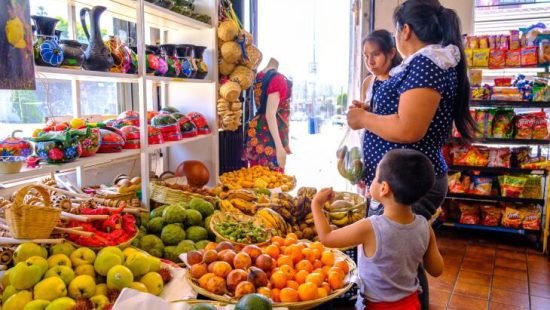
In places like Los Angeles, it became a public expression of Mexican heritage.
Over time, it expanded into mainstream culture, often associated with festivals, music, and food.
But at its core, it remains tied to Mexican resilience and history.
Why Los Angeles has a special connection
Los Angeles has one of the largest Mexican and Mexican American populations in the country.
That makes Cinco de Mayo more than just a celebration. It becomes a reflection of:
- Family traditions
- Cultural identity
- Community history
- Generational pride
Neighborhoods across LA often host events, including mariachi performances, folklórico dancing, and cultural festivals that bring families together.
One of the most common misunderstandings is confusing the two holidays.
Mexican Independence Day
- Celebrated on September 16
- Marks independence from Spain in 1810
- National holiday in Mexico
Cinco de Mayo
- Celebrated on May 5
- Marks the Battle of Puebla in 1862
- More widely celebrated in the United States than in Mexico
Understanding the difference helps preserve the historical meaning of both days.
In modern California, Cinco de Mayo celebrations vary widely.
Common traditions include:
- Community festivals and parades
- Mexican music such as mariachi and banda
- Traditional foods like tacos, mole, and tamales
- Cultural performances and dance
- Family gatherings at home
For many families, it is less about a single event and more about celebrating identity and connection.
Cinco de Mayo continues to resonate because it reflects broader themes:
- Resistance against overwhelming odds
- Cultural pride
- The importance of history and memory
- The visibility of Mexican American communities in the U.S.
In California especially, it also reflects how immigrant and Latino communities have shaped the state’s identity, economy, and culture.
Cinco de Mayo is often simplified into food and celebration. But its deeper meaning is rooted in history, resilience, and identity.
Understanding where it comes from makes the celebration more meaningful.
Whether you are attending a festival in Los Angeles or celebrating at home with family, the day carries a story worth remembering.